
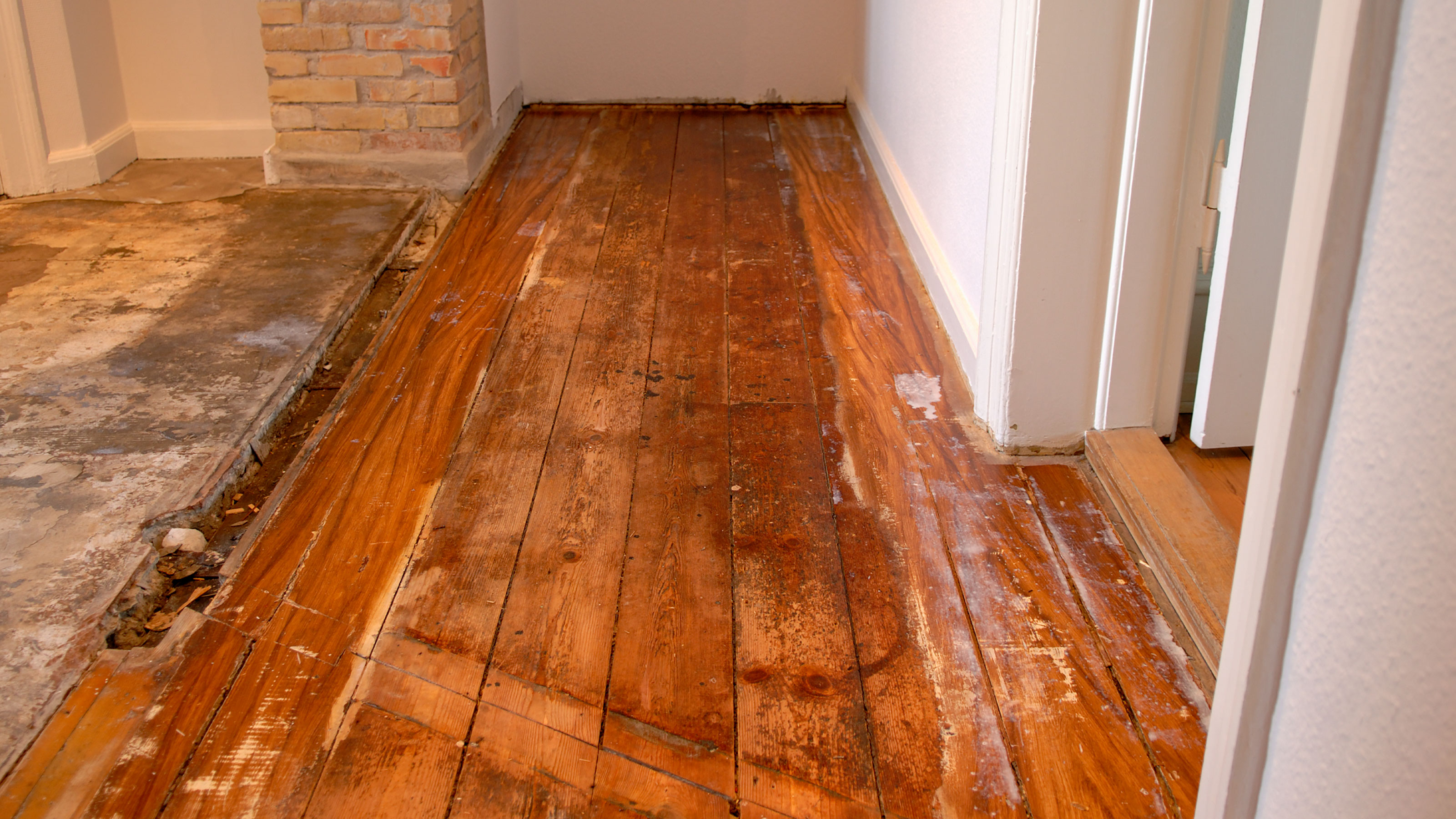
Hidden Mold Problems in Cocoa Beach: What Homeowners in Brevard County Should Know
Living in Cocoa Beach offers ocean views, coastal breezes, and a relaxed lifestyle that draws homeowners from all over. But along with beachside living comes one persistent issue many homeowners never see coming — hidden mold.
Unlike mold growing visibly on walls or ceilings, hidden mold develops quietly behind surfaces, under flooring, or inside building materials. By the time homeowners notice musty odors or damage, mold may already be widespread.
Across Brevard County, mold inspections regularly uncover hidden contamination in homes that appeared clean and well maintained. Cocoa Beach homes are especially vulnerable because coastal humidity and storms constantly introduce moisture into buildings.
Understanding how hidden mold develops and where it hides helps homeowners catch problems early and prevent expensive repairs.
Here’s what Cocoa Beach and Brevard County homeowners should know.
What Hidden Mold Means for Homeowners
Hidden mold refers to mold growth occurring in areas not easily visible during everyday living. Mold can grow for months without homeowners seeing it because it often forms inside walls or under finished surfaces.
Common materials mold grows on include:
• Drywall and wall framing
• Subfloors and flooring materials
• Insulation
• Cabinets and trim
• HVAC duct insulation
• Attic wood framing
Because mold spores are always present in the air, all it takes is moisture trapped in these materials for mold to begin growing.
In many Cocoa Beach homes, mold problems start with minor moisture issues homeowners never noticed.
Why Hidden Mold Is Common in Cocoa Beach Homes
Homes throughout Brevard County face mold risks, but coastal homes experience additional challenges.
Coastal Humidity
Ocean air keeps humidity levels high year-round. Moisture easily enters homes through ventilation, doors, and small openings.
Storm and Hurricane Exposure
Tropical storms and hurricanes frequently affect Cocoa Beach. Wind-driven rain and roof damage allow water into walls and ceilings.
AC System Condensation
Air conditioning systems remove humidity but also create condensation. Poor drainage or duct sweating can introduce moisture into hidden spaces.
Older Coastal Construction
Some beachside homes were built decades ago using materials and ventilation standards that allow moisture to enter wall cavities more easily.
Salt Air Wear on Materials
Salt air exposure can degrade exterior materials, creating openings for moisture intrusion over time.
These factors make hidden mold growth more common in beachside communities.
Signs Hidden Mold May Be Present
Because hidden mold isn’t visible, homeowners usually notice symptoms before discovering the actual mold.
Common warning signs include:
• Persistent musty or damp odors
• Stains appearing on ceilings or walls
• Peeling or bubbling paint
• Warped flooring or baseboards
• Increased indoor humidity
• Mold returning after cleaning
Homes in Merritt Island, Rockledge, and Satellite Beach often show these signs long before mold is discovered behind surfaces.
If odors or moisture problems continue despite cleaning, hidden mold may be present.
Common Places Hidden Mold Develops
Professional inspections across Cocoa Beach frequently uncover mold in unexpected locations.
Typical hidden mold areas include:
Behind Walls
Small plumbing leaks or storm intrusion often allow moisture inside walls, where mold grows unnoticed.
Under Flooring
Water from leaks or flooding often seeps under laminate or vinyl flooring, allowing mold to grow beneath surfaces.
Inside Attics
Roof leaks and ventilation problems frequently lead to mold on roof decking and insulation.
Inside Crawl Spaces
Moisture rising from soil or flooding creates ideal mold conditions under homes.
Around HVAC Systems
Air handlers, ductwork, and AC closets sometimes develop mold due to condensation problems.
Behind Cabinets and Appliances
Moisture from sinks, dishwashers, or refrigerators often creates hidden mold behind kitchen surfaces.
These hidden areas often go unchecked for years.
Why Hidden Mold Often Goes Undetected
Hidden mold remains unnoticed because it develops in places homeowners rarely inspect.
Common reasons mold is missed include:
• Moisture dries on the surface but remains inside materials
• Odors spread slowly through the home
• Damage appears minor at first
• Mold growth remains inside walls or under floors
• Inspections happen only during renovations or home sales
In Cocoa inspections, mold is often discovered accidentally during remodeling or repairs.
By then, contamination may already be extensive.
Why DIY Solutions Usually Miss Hidden Mold
When homeowners notice mold, many attempt surface cleaning without realizing the problem may extend deeper.
Common DIY mistakes include:
Cleaning Visible Mold Only
Surface cleaning does not address mold behind walls or under flooring.
Painting Over Stains
Covering stains hides moisture problems instead of fixing them.
Ignoring Persistent Odors
Smells often signal hidden contamination.
Using Household Fans Only
Fans alone cannot dry moisture trapped inside materials.
Without addressing moisture sources, mold growth continues unseen.
DIY cleaning often provides temporary results while mold spreads.
How Professional Mold Inspections Find Hidden Problems
Professional mold inspections use specialized tools and experience to locate mold where homeowners cannot see it.
An inspection typically includes:
Visual Assessment
Inspectors examine areas prone to moisture intrusion.
Moisture Detection Tools
Meters and thermal imaging cameras detect moisture behind surfaces.
Attic and Crawl Space Inspection
Hidden areas are checked for contamination.
HVAC System Review
Systems are evaluated for moisture and airflow problems.
Air or Surface Sampling
Testing helps determine mold levels when growth isn’t visible.
Companies like Brevard Mold Inspections & Removal help homeowners understand whether mold exists and how extensive it may be.
Often, inspections reveal manageable issues caught early.
How Mold Remediation Handles Hidden Mold
When hidden mold is discovered, remediation focuses on removing contamination safely and correcting moisture conditions.
Typical remediation steps include:
Containment Setup
Preventing spores from spreading during removal.
Opening Affected Areas
Walls or flooring may be opened to access contamination.
Removal of Damaged Materials
Wet drywall, insulation, or flooring may need replacement.
Professional Cleaning
Remaining surfaces are cleaned using specialized methods.
Correcting Moisture Sources
Leaks or humidity problems are fixed to prevent recurrence.
Final Verification
Ensures mold conditions return to safe levels.
The goal is restoring safe indoor conditions.
Preventing Hidden Mold in Cocoa Beach Homes
Preventing hidden mold requires consistent moisture control.
Homeowners can reduce risks by:
• Fixing leaks immediately
• Maintaining HVAC systems regularly
• Running exhaust fans in bathrooms and kitchens
• Checking roofs after storms
• Keeping indoor humidity below 55%
• Inspecting attics and crawl spaces annually
• Monitoring areas previously affected by water damage
Homes near coastal areas benefit from more frequent inspections due to higher humidity exposure.
Prevention is far easier than remediation.
Why Local Experience Matters in Brevard County
Florida homes behave differently than homes in cooler climates.
Local professionals understand:
• Coastal humidity patterns
• Hurricane-related water intrusion
• Florida construction styles
• Slab and crawl space moisture movement
• AC condensation challenges
Solutions must match Brevard County’s climate and building conditions.
Local expertise helps prevent recurring mold issues.
A Practical Next Step for Cocoa Beach Homeowners
Hidden mold problems can develop quietly, and many homeowners discover them only after odors or damage appear.
If your Cocoa Beach home smells musty, shows unexplained moisture signs, or recently experienced leaks or storm damage, a professional inspection can provide clarity and reassurance.
Many homeowners simply want confirmation their homes are dry and safe.
Brevard Mold Inspections & Removal assists homeowners throughout Cocoa Beach and across Brevard County in identifying hidden mold concerns and recommending practical next steps.
Addressing moisture early helps protect homes from larger repairs and keeps living spaces comfortable in Florida’s humid coastal climate.