
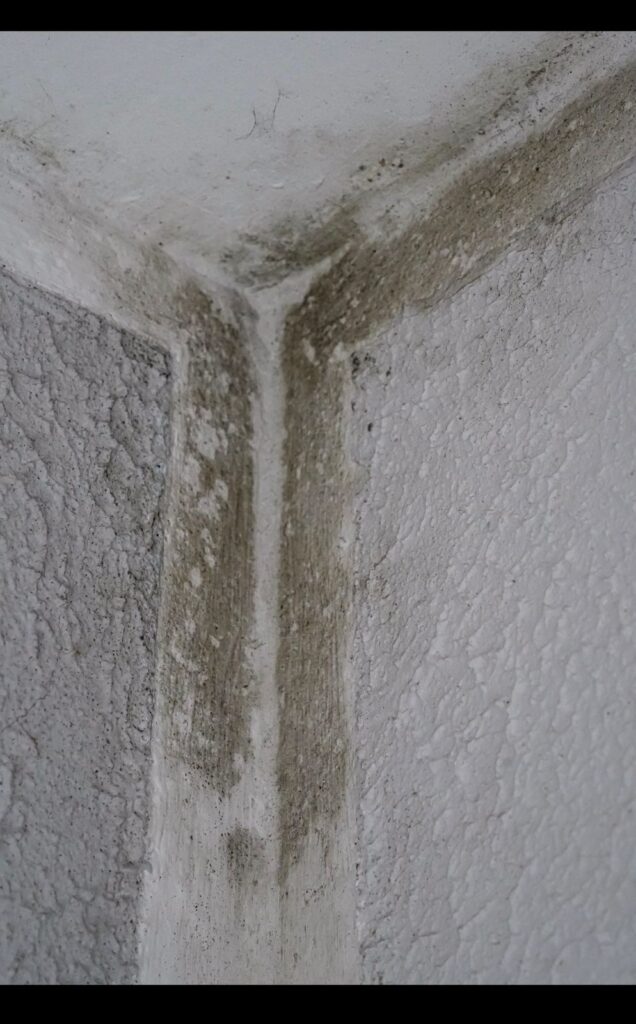
Hidden Mold Problems in Cocoa Beach: What Homeowners in Brevard County Should KnowLiving in Cocoa Beach comes with ocean breezes and coastal charm—but it also brings a unique mold risk many homeowners don’t see coming. Hidden mold is one of the most common and costly issues in Brevard County homes, especially near the coast. It grows quietly, spreads out of sight, and often isn’t discovered until odors, health symptoms, or property damage force a closer look.This guide explains where hidden mold hides in Cocoa Beach homes, why coastal conditions make it worse, the warning signs most people miss, and what actually prevents it from coming back.⸻Why Hidden Mold Is So Common in Cocoa BeachHidden mold thrives where moisture lingers and airflow is limited—two things coastal homes struggle with year-round.Local factors that increase risk include: • High humidity most of the year • Salt air that holds moisture • Frequent rain and wind-driven moisture • Heavy AC use • Condensation inside walls and ducts • Older coastal construction materialsEven homes that look clean and well-maintained can harbor mold behind surfaces.⸻What Makes Mold “Hidden”?Hidden mold grows in places you don’t regularly see or access. Unlike obvious bathroom mold, it develops behind, under, or inside building materials.Common hidden locations include: • Behind drywall • Inside wall cavities • Under flooring • In HVAC systems • Attics • Crawl spaces • Inside cabinets and soffitsBy the time mold becomes visible, it’s often already widespread.⸻The Most Common Hidden Mold Locations in Cocoa Beach HomesBehind Drywall and Interior WallsMoisture from: • Window leaks • Roof intrusion • Condensation on exterior walls • Plumbing leaks…can soak drywall from the inside. Mold then grows on the back side of drywall where it’s never seen.Clues: musty odors, bubbling paint, staining, or walls that feel cool and damp.⸻HVAC Systems and DuctworkHVAC systems are one of the biggest hidden mold sources in coastal homes.Why? • Condensation forms naturally • Dust collects inside ducts • Drain pans clog • Systems run almost year-roundOnce mold grows inside the air handler or ducts, spores circulate throughout the entire home.Clues: musty smells when AC runs, allergy symptoms indoors, dark buildup near vents.⸻Attics With Poor VentilationAttics often hide mold for years.Common attic moisture sources: • Roof leaks after storms • Bathroom fans venting into the attic • Poor ventilation trapping humid airMold grows on roof decking, trusses, and insulation—often unnoticed until ceiling stains appear.Clues: musty smells upstairs, ceiling discoloration, increased attic heat and humidity.⸻Crawl Spaces and Under-Floor AreasCocoa Beach’s coastal environment makes crawl spaces especially vulnerable.Moisture sources include: • Ground moisture • Poor drainage • Flooding after storms • Missing or damaged vapor barriersMold under the home can affect indoor air quality due to the stack effect, where air rises from below into living spaces.Clues: musty odors near floors, cold or damp floors, increased humidity indoors.⸻Under Flooring and BaseboardsWater intrusion from storms, plumbing leaks, or condensation can seep under: • Tile • Laminate • Carpet • BaseboardsOnce trapped, moisture allows mold to grow beneath the surface long after the area looks dry.Clues: warped flooring, popping tiles, baseboard staining, musty smells.⸻Health Symptoms Often Linked to Hidden MoldBecause hidden mold releases spores into the air, health symptoms are often the first sign something is wrong.Common symptoms include: • Sneezing or coughing indoors • Sinus congestion or headaches • Eye or skin irritation • Worsening asthma or allergies • Fatigue or brain fogA major red flag: symptoms improve when you leave the house and return when you come back.⸻Why Coastal Homes Are More VulnerableCocoa Beach homes face challenges inland homes don’t: • Constant exposure to moist air • Salt accelerating material breakdown • Wind-driven rain entering small gaps • Higher likelihood of condensation • Seasonal vacancies increasing humidity buildupEven small, repeated moisture events can add up over time.⸻Why Hidden Mold Is Missed for So LongHidden mold often goes undetected because: • There’s no visible growth • Odors are subtle at first • Symptoms are blamed on allergies • Moisture sources are small or intermittent • DIY cleaning masks early signsUnfortunately, mold doesn’t stop growing just because it’s unseen.⸻DIY Cleaning: Why It Doesn’t Fix Hidden MoldCleaning visible mold doesn’t address hidden growth.Common DIY mistakes include: • Scrubbing surface stains • Using bleach on drywall or wood • Painting over discoloration • Ignoring musty odors • Running fans without moisture detectionHidden mold remains active—and often spreads faster when disturbed.⸻How Professionals Find Hidden MoldProfessional inspections focus on moisture and air quality, not just visible mold.Typical inspection tools and methods include: • Moisture meters • Thermal imaging • HVAC system inspection • Attic and crawl space evaluation • Air or surface sampling (when needed)The goal is to identify where moisture exists and why—because moisture is the real problem.⸻Mold Testing: When It HelpsTesting isn’t always required, but it can be helpful when: • Mold is suspected but not visible • Odors persist without explanation • Health symptoms are present • Documentation is needed for insurance or resale • Multiple areas may be affectedTesting helps confirm mold presence and guide remediation.⸻Mold Remediation for Hidden MoldHidden mold remediation focuses on containment, removal, and prevention.Proper remediation typically includes: 1. Containment to prevent spore spread 2. HEPA air filtration 3. Removal of contaminated materials 4. Antimicrobial treatment 5. Drying and moisture correction 6. Repairing leaks or ventilation issuesSkipping moisture correction almost guarantees mold will return.⸻Insurance and Hidden MoldInsurance coverage depends on cause and timing. • Mold from sudden, accidental water events may be covered • Mold from long-term moisture or humidity usually is not • Mold coverage limits are commonEarly documentation and inspections improve claim outcomes.⸻How to Prevent Hidden Mold in Cocoa Beach HomesControl Humidity • Keep indoor humidity below 50% • Use dehumidifiers during humid months • Don’t turn AC completely off when awayMaintain the Building Envelope • Seal windows and doors • Repair roof damage promptly • Address exterior cracks and gapsWatch High-Risk Areas • Inspect attics and crawl spaces annually • Maintain HVAC systems and drain lines • Address musty odors earlyAct Fast After Storms • Dry wet areas within 24–48 hours • Inspect for hidden moisture • Restore AC and airflow quickly⸻When to Call a ProfessionalYou should seek professional help if: • Musty odors persist • Mold keeps returning • Health symptoms worsen indoors • There’s been past water or storm damage • HVAC systems may be involved • You’re buying or selling a coastal homeEarly action prevents major remediation later.⸻Why Hidden Mold Should Never Be IgnoredIgnoring hidden mold can lead to: • Worsening health issues • Structural damage • HVAC contamination • Higher energy costs • Reduced property valueHidden mold doesn’t stay hidden forever—it eventually shows up in costly ways.⸻Final Thoughts for Cocoa Beach HomeownersHidden mold is one of the biggest risks in Cocoa Beach homes because it grows quietly and spreads easily in coastal conditions. The key isn’t panic—it’s awareness and early action.If your home smells musty, feels unusually humid, or causes unexplained health symptoms, trust those signs. Mold problems are far easier—and cheaper—to fix when caught early.When you’re ready, send the next Brevard County mold article title, and I’ll take care of it.