
Hidden Mold Problems in Cocoa Beach: What Homeowners in Brevard County Should Know
Hidden mold is one of the most common and most misunderstood issues affecting homes in Cocoa Beach. Because it grows out of sight, many homeowners don’t realize there’s a problem until odors, damage, or repeated moisture issues become impossible to ignore. By then, mold may have been present for months.
In Cocoa Beach and throughout Brevard County, the coastal environment creates ideal conditions for hidden mold. High humidity, salt air, frequent storms, and constant air conditioning all contribute to moisture getting trapped inside walls, ceilings, and floors. Understanding how hidden mold develops, where it hides, and why it’s so common locally can help homeowners protect their homes and avoid costly surprises.
What Hidden Mold Really Is
Hidden mold refers to mold growth that develops in areas not visible during everyday living. This includes inside wall cavities, under flooring, above ceilings, behind cabinets, inside attics, and within HVAC systems.
Mold spores are always present in indoor air. They only become a problem when moisture is present long enough for growth to begin. In Cocoa Beach homes, moisture often enters quietly and stays trapped, creating perfect conditions for mold to grow without obvious surface signs.
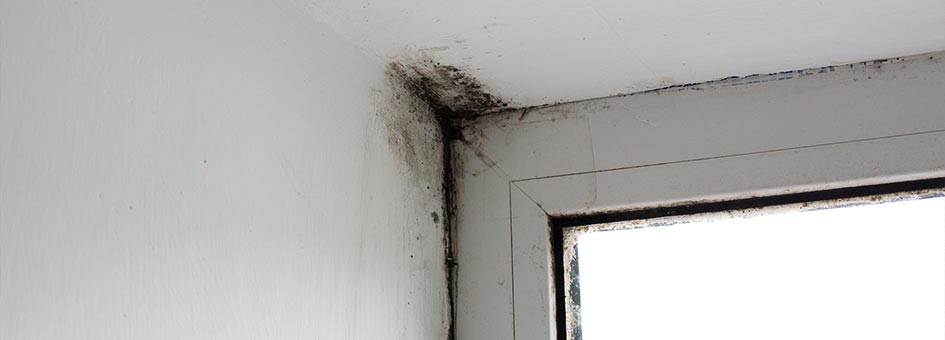
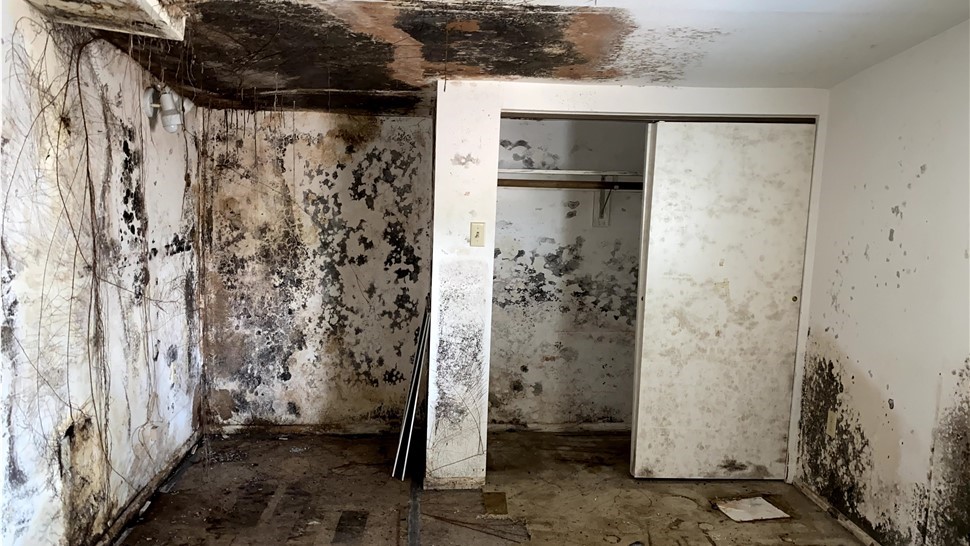
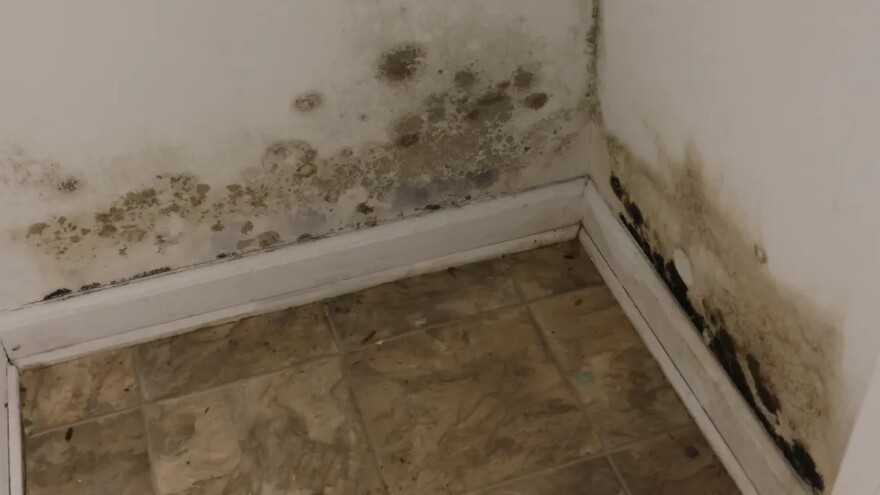
Visible mold is often just a symptom. The real issue usually exists deeper inside the structure.
Why Hidden Mold Is So Common in Cocoa Beach
Cocoa Beach’s coastal location plays a major role. Ocean air carries constant moisture, even on days without rain. This moisture settles on building materials and slows natural drying.
Frequent storms and heavy rain increase the risk further. Wind-driven rain can enter through roofs, windows, doors, and small exterior openings. Even when there’s no flooding, moisture can still reach hidden areas and remain there.
Air conditioning systems add another layer of risk. AC units remove humidity, but condensation lines, drain pans, and ductwork can leak or overflow. In slab homes common throughout Brevard County, moisture can also migrate upward from the ground.
These factors combine to make hidden mold a frequent issue in Cocoa Beach homes.
Common Signs Homeowners Notice
Hidden mold rarely starts with obvious visual clues. One of the most common early signs is a persistent musty or damp odor that doesn’t go away with cleaning or ventilation.
Homeowners may notice rooms that feel more humid than others, even when the AC is running. Condensation on windows, vents, or walls can also indicate excess moisture.
Cosmetic changes such as bubbling paint, peeling baseboards, warped flooring, or stained drywall often appear later. By the time these signs show up, mold is usually already established behind the surface.
Where Hidden Mold Commonly Hides
Behind drywall is one of the most frequent locations for hidden mold. Moisture from leaks, condensation, or storms can travel inside wall cavities, spreading beyond the original source.
Under flooring is another common problem area. Tile, laminate, and wood flooring can trap moisture underneath, allowing mold to grow unnoticed for long periods.
Attics are also a major concern in Cocoa Beach. Poor ventilation, roof leaks, and humid air rising from living spaces can lead to mold on roof decking and insulation.
HVAC systems often harbor hidden mold as well. Mold can grow inside air handlers, drain pans, and ductwork, circulating spores throughout the home without visible warning signs.
Hidden Causes Homeowners Often Miss
Many hidden mold problems begin with issues that seem minor. A slow plumbing leak under a sink. A roof leak that dries on the surface but soaks insulation. An AC drain line that overflows occasionally during humid months.
Bathroom exhaust fans venting into attics instead of outdoors are another common cause. Each shower sends moist air into attic spaces, raising humidity levels and feeding mold growth.
Improper sealing around windows and doors also allows humid coastal air to enter wall cavities. Over time, these small issues can lead to widespread hidden mold.
Why DIY Cleaning Doesn’t Solve Hidden Mold
DIY mold cleaning usually focuses on visible areas. Scrubbing walls or spraying cleaners may improve appearance but does nothing to address mold growing behind materials.
In some cases, disturbing visible mold without proper containment can spread spores to other areas of the home. This can actually expand the problem rather than fix it.
Hidden mold is almost always tied to moisture problems. Without identifying and correcting the source of moisture, mold is likely to return no matter how much surface cleaning is done.
Professional Mold Inspection for Hidden Mold
A professional mold inspection focuses on identifying moisture and mold conditions that aren’t immediately visible. This includes inspecting attics, walls, flooring, HVAC systems, and other common problem areas.
Moisture detection tools help locate damp materials behind walls or under floors. These tools are especially important in slab homes, where moisture movement is difficult to see.
When appropriate, air or surface sampling may be used to better understand the extent of mold growth. Laboratory analysis provides objective information that helps guide next steps without speculation.
A proper inspection gives homeowners clarity instead of guesswork.
Proper Mold Remediation for Hidden Problems
Effective mold remediation addresses both mold removal and moisture correction. Containment is used to prevent spores from spreading during the process.
Mold-affected materials are cleaned or removed depending on how deeply mold has penetrated. In many cases, drywall, insulation, or flooring must be replaced to fully resolve the issue.
Correcting moisture sources is critical. This may involve plumbing repairs, roof repairs, HVAC adjustments, ventilation improvements, or sealing exterior openings.
Brevard Mold Inspections & Removal approaches hidden mold with a prevention-focused mindset, helping homeowners stabilize conditions and reduce the risk of recurrence.
Preventing Hidden Mold Going Forward
Preventing hidden mold in Cocoa Beach requires ongoing moisture management. Using bathroom and kitchen exhaust fans consistently helps remove moisture at the source.
Regular AC maintenance ensures proper drainage and humidity control. Sealing windows, doors, and exterior penetrations reduces humid air intrusion.
After storms, homeowners should inspect attics, ceilings, and areas around windows and doors, even if no damage is immediately visible. Early detection makes a significant difference.
Routine inspections and maintenance help keep moisture problems from becoming hidden mold issues.
Why Local Experience in Brevard County Matters
Hidden mold behaves differently depending on climate and construction. Cocoa Beach homes face challenges that inland or dry-climate homes do not.
Local experience means understanding coastal humidity, salt air, slab foundations, and Florida building practices. It also means knowing where hidden mold commonly develops in Brevard County homes.
Professionals familiar with local conditions can identify risks early and recommend solutions that actually work in this environment.
A Calm, Practical Next Step
If your home has persistent odors, moisture issues, or unexplained damage, hidden mold may be a factor. A professional inspection can provide clear answers without pressure or assumptions.
Homeowners in Cocoa Beach and throughout Brevard County benefit from understanding what’s happening beneath the surface. Brevard Mold Inspections & Removal helps homeowners identify hidden mold risks and take practical, responsible steps toward long-term protection.
Addressing hidden mold early helps preserve your home, reduce repair costs, and maintain peace of mind.