
Hidden Mold Problems in Viera: What Homeowners in Brevard County Should Know
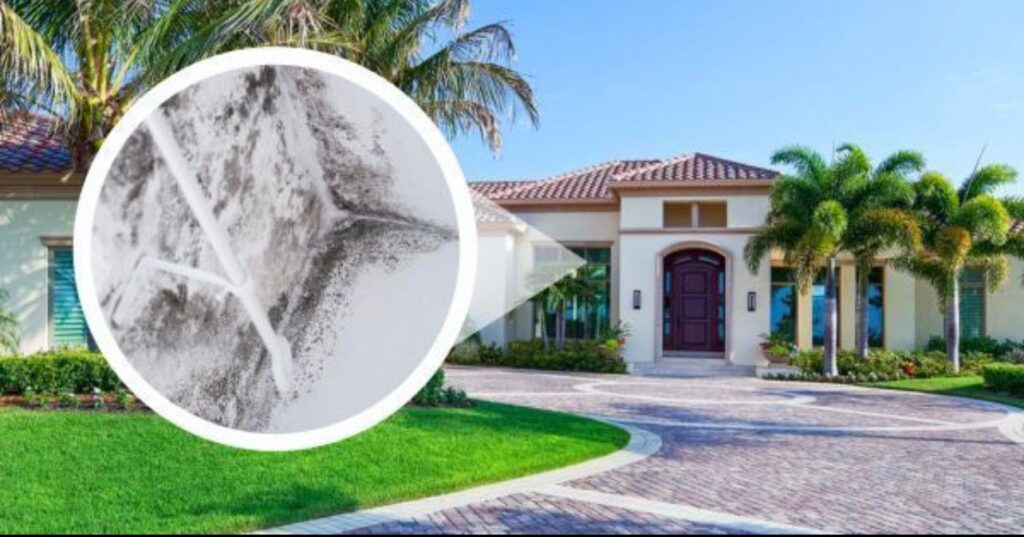
Hidden Mold Problems in Viera: What Homeowners in Brevard County Should KnowHidden mold is one of the most challenging problems for homeowners in Viera and throughout Brevard County. Unlike visible mold on walls or ceilings, hidden mold grows out of sight—behind drywall, under flooring, inside HVAC systems, attics, and crawl spaces. Florida’s heat, humidity, and frequent rain allow mold to thrive quietly for long periods before homeowners realize there is a problem. By the time symptoms or odors appear, mold growth is often widespread.Understanding how hidden mold develops, where it hides, and how to recognize warning signs is essential for protecting indoor air quality, structural integrity, and long-term property value.⸻Why Hidden Mold Is Common in Viera HomesViera’s climate creates ideal conditions for hidden mold. High humidity persists for much of the year, and air conditioning runs almost constantly. While AC cools the home, it can also create condensation inside walls, ducts, and air handlers. Homes in Viera are often energy efficient and tightly sealed, which can trap moisture indoors if ventilation is insufficient.Common contributors to hidden mold include:High indoor humidityCondensation from HVAC systemsSmall plumbing leaks behind wallsRoof leaks after stormsWater intrusion around windows and doorsPoor ventilation in attics and bathroomsHidden mold often develops slowly, making it easy to miss during routine cleaning or maintenance.⸻Where Hidden Mold Typically GrowsHidden mold can grow anywhere moisture and organic material are present. In Viera homes, the most common hidden locations include:Behind drywall near bathrooms, kitchens, and plumbing linesUnder tile, laminate, or carpet after leaksInside HVAC air handlers, ducts, and ventsAttics with condensation or roof leaksCrawl spaces with ground moistureBehind cabinets, vanities, and appliancesClosets on exterior wallsVisible mold usually represents only a fraction of the total contamination when hidden mold is involved.⸻How Hidden Mold Develops Without FloodingMany homeowners assume mold only follows major water damage. In reality, hidden mold often develops without any obvious flooding event.Hidden mold can grow when:Condensation forms repeatedly inside wallsSmall leaks go unnoticed for monthsHumidity stays elevated indoorsWet materials never fully dryAirflow is restricted in enclosed spacesIn Florida’s climate, mold can begin growing within 24 to 48 hours once moisture is present, even at low levels.⸻Warning Signs of Hidden MoldBecause hidden mold is not visible, homeowners often notice indirect signs first. These warning signs should never be ignored.Common indicators include:Persistent musty or earthy odorsHealth symptoms that worsen indoorsWater stains on ceilings or wallsBubbling or peeling paint and drywallWarped flooring or baseboardsCondensation on windows or ventsMold returning after repeated cleaningIf these signs are present, hidden mold is often already established.⸻Health Risks of Hidden Mold ExposureHidden mold poses a significant health risk because exposure is continuous. Mold spores and fragments released into the air circulate through living spaces, especially when HVAC systems are running.Common health symptoms include:Sneezing and nasal congestionChronic coughing or throat irritationEye irritation and headachesSkin rashesWorsening asthma or allergy symptomsFatigue or difficulty concentratingChildren, elderly individuals, and people with respiratory or immune conditions are particularly vulnerable to prolonged exposure.⸻Why Hidden Mold Is Often Missed During InspectionsHidden mold is frequently missed because it does not always leave obvious visual clues. Standard home inspections may not include moisture testing behind walls or inside HVAC systems unless there is a specific reason to look deeper.Hidden mold is often overlooked when:Leaks are slow and intermittentDrywall appears intact on the surfaceOdors are faint or inconsistentMoisture is trapped inside insulationProblems are seasonal and worsen during humid monthsThis is why mold problems often go undetected until health symptoms or strong odors develop.⸻HVAC Systems and Hidden MoldHVAC systems are one of the most common sources of hidden mold in Viera homes. Condensation forms naturally on coils and drain pans, and when drainage or airflow is compromised, moisture lingers.Hidden HVAC mold commonly develops in:Air handler cabinetsEvaporator coilsDrain pans and drain linesDuct insulationSupply and return ductsOnce mold grows inside the HVAC system, spores can be distributed throughout the entire home every time the system runs.⸻Structural Damage Caused by Hidden MoldHidden mold does not just affect air quality. Over time, it can damage building materials and structural components.Potential structural issues include:Deterioration of drywall and insulationDamage to wood framing and subflooringReduced insulation performanceWarped flooring and trimIncreased repair costsThe longer hidden mold remains untreated, the more extensive and expensive repairs become.⸻Why DIY Cleanup Cannot Address Hidden MoldDIY mold cleanup focuses on visible areas and surface stains. Hidden mold, by definition, cannot be reached with sprays, scrubbing, or household cleaners.DIY cleanup fails because:Hidden moisture sources remain untreatedMold inside walls and ducts is untouchedScrubbing releases spores into the airBleach does not penetrate porous materialsMold regrows quicklyAttempting DIY cleanup often delays proper treatment and allows hidden mold to spread further.⸻Professional Detection of Hidden MoldProfessional mold inspections focus on identifying moisture rather than just visible mold. Inspectors use tools and techniques designed to locate hidden problems.These may include:Moisture meters to detect damp materialsHumidity measurementsThermal imaging to locate condensation or leaksHVAC system evaluationsAttic and crawl space assessmentsIdentifying the moisture source is the most important step in resolving hidden mold issues.⸻How Hidden Mold Is Properly AddressedEffective treatment of hidden mold requires a comprehensive approach.Professional remediation typically involves:Identifying and correcting moisture sourcesContaining affected areas to prevent spore spreadRemoving mold-contaminated materialsCleaning and treating salvageable surfacesDrying the structure thoroughlyPreventing future moisture intrusionWithout moisture correction, hidden mold is almost guaranteed to return.⸻Preventing Hidden Mold in Viera HomesPrevention focuses on moisture control and early detection.Effective strategies include:Maintaining indoor humidity at appropriate levelsUsing exhaust fans in bathrooms and kitchensEnsuring HVAC systems drain properlyInspecting plumbing and roofs regularlyMonitoring attics and crawl spacesAddressing water stains or odors immediatelyRegular inspections help catch small problems before they become hidden mold infestations.⸻Hidden Mold and Property ValueHidden mold can significantly reduce property value, especially when discovered during inspections or real estate transactions. Buyers are wary of mold issues that indicate ongoing moisture problems.Consequences may include:Repair demands during salesLower offersDelayed closingsInsurance complicationsProper remediation and documentation help protect long-term value.⸻When Immediate Action Is NeededHomeowners should seek professional evaluation when:Musty odors persist without visible moldHealth symptoms worsen indoorsWater stains or drywall damage appearMold keeps returning after cleaningHVAC odors developDelaying action allows hidden mold to spread and increases repair costs.⸻Final ThoughtsHidden mold problems in Viera are common due to Florida’s humidity, modern construction practices, and frequent moisture exposure. Because hidden mold develops quietly, homeowners often underestimate its impact until health issues or structural damage become apparent.By understanding where hidden mold grows, recognizing early warning signs, and focusing on moisture control, homeowners in Brevard County can reduce risk and avoid costly repairs. Early detection and proper remediation protect indoor air quality, preserve structural integrity, and safeguard long-term property value.