
Hidden Mold Problems in Viera: What Homeowners in Brevard County Should Know
If you own a home in Viera, you probably take pride in keeping it clean, modern, and well-maintained. Many homes here are newer construction, well-insulated, and designed for energy efficiency. On the surface, everything looks solid.
But in Brevard County, mold doesn’t always show itself right away.
Hidden mold problems are more common than most Viera homeowners realize — especially in a climate like ours. Between high humidity, heavy summer rainfall, long AC seasons, and the occasional hurricane pushing water where it doesn’t belong, moisture can quietly settle into places you don’t see.
Let’s talk about how hidden mold develops, why it happens here in Viera and surrounding cities like Melbourne, Rockledge, and Merritt Island, and what you should know as a homeowner.
What Hidden Mold Really Means
When people hear the word “mold,” they picture dark patches on walls or ceilings.
Hidden mold is different.
It grows:
- Behind drywall
- Under flooring
- Inside wall cavities
- In attic insulation
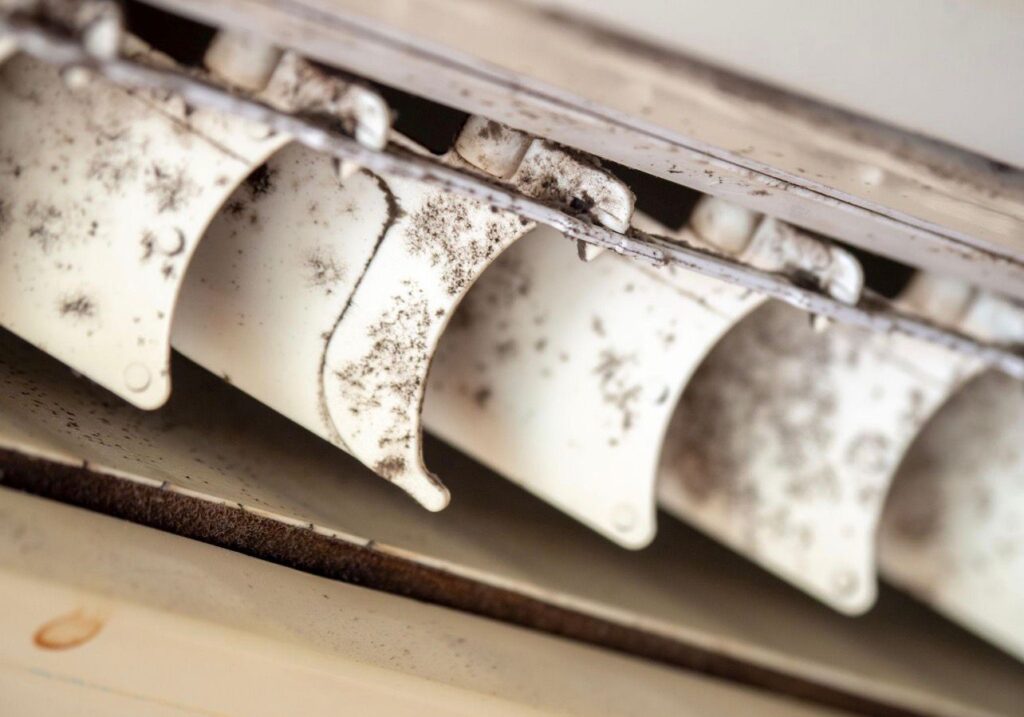
- Around HVAC ductwork
- Beneath cabinets
- In crawl spaces
It often starts after moisture gets trapped where air can’t circulate properly.
In Viera homes — especially newer builds — tighter insulation and energy-efficient construction can actually hold moisture inside longer. That trapped humidity creates ideal conditions for mold growth behind finished surfaces.
You won’t see it at first. But the moisture is there.
Why This Happens in Brevard County
Viera sits right in the heart of Brevard County. While it may not be directly waterfront like Cocoa Beach or Cape Canaveral, the humidity levels are still high year-round.
Here’s what contributes to hidden mold locally:
High Humidity
Florida air carries moisture. Even when it’s not raining, humidity stays elevated. When that humid air enters wall cavities or attic spaces and meets cooler interior surfaces, condensation forms.
Over time, that moisture builds up.
Heavy Rain and Storms
Afternoon thunderstorms are routine here. During hurricane season, wind-driven rain can force water into tiny openings around windows, roof flashing, and siding.
The exterior may dry quickly. The inside of the wall may not.
Constant AC Use
In Viera, AC systems run most of the year. That temperature difference between cool indoor air and warm, humid outdoor air creates condensation inside walls and ductwork.
Drain line clogs, sweating ducts, and overflow pans are common hidden moisture sources.
Slab Foundations
Many homes in Viera and Palm Bay sit on slab foundations. Concrete absorbs ground moisture. If vapor barriers aren’t perfect, moisture can travel upward into flooring systems.
That’s how mold begins under laminate, tile, or carpet without obvious flooding.
Attic Heat and Moisture
Attics in Florida reach extremely high temperatures. When ventilation isn’t balanced, hot air and trapped humidity create condensation on roof decking and insulation.
Hidden attic mold is common in homes across Melbourne, Rockledge, and Viera.
Common Signs Homeowners Notice
Hidden mold doesn’t announce itself loudly. It gives subtle clues.
Watch for:
- Persistent musty odors in one room
- Paint bubbling or peeling
- Baseboards separating from walls
- Warped flooring
- Dark staining near ceiling corners
- Increased indoor humidity despite AC use
- Recurring mold in the same location
If you notice a smell that intensifies after heavy rain in Viera or after storms passing through Titusville or Satellite Beach, it’s worth investigating.
Moisture reactivates odor.
Hidden or Overlooked Causes
Many hidden mold cases in Brevard County trace back to issues homeowners didn’t realize were connected.
Behind Walls After Minor Leaks
A small plumbing leak inside a wall may drip slowly for months. By the time staining appears, insulation and framing may already be affected.
Under Flooring After Storm Intrusion
Even small amounts of wind-driven rain entering under doors can soak subfloor materials.
In homes across Merritt Island and Cocoa, we’ve seen mold grow under flooring long after the surface dried.
Inside HVAC Systems
Ductwork sweating inside attics is common in Florida. Condensation forms on cold metal surfaces in hot attic air.
That moisture feeds mold growth inside ducts or on surrounding insulation.
Past Water Events
A roof leak repaired years ago in Rockledge or Viera may have been patched externally but never fully dried inside the wall cavity.
Moisture trapped behind drywall doesn’t simply disappear.
Poor Ventilation
Bathrooms without properly functioning exhaust fans allow humid air to seep into ceilings and walls.
In tightly built Viera homes, that moisture can linger.
Why DIY or Ignoring It Makes Things Worse
Hidden mold requires careful evaluation.
Painting over stains, spraying bleach, or installing air fresheners won’t address moisture inside walls or under floors.
Bleach doesn’t penetrate porous materials like drywall or wood framing.
Scrubbing visible areas may spread spores without solving the source.
Ignoring a musty odor doesn’t make it go away — it just allows moisture to remain active.
In Florida’s humid environment, mold spreads quietly when moisture isn’t corrected.
Professional Mold Inspection & Testing Explained
When evaluating hidden mold in Viera homes, we follow a structured process.
At Brevard Mold Inspections & Removal, inspections focus on identifying moisture first.
Visual Assessment
We examine ceilings, baseboards, window frames, and common moisture-prone areas.
Moisture Detection
Professional moisture meters detect elevated moisture behind drywall and under flooring.
Thermal imaging may reveal cooler areas consistent with trapped moisture.
Attic and Crawl Space Review
We inspect insulation, ductwork, roof decking, and vapor barriers.
Air or Surface Sampling (When Appropriate)
If mold is suspected but not visible, air or surface sampling may help clarify indoor mold levels.
Samples are analyzed by certified labs to provide clear data.
Testing isn’t always necessary, but when used, it helps homeowners understand the scope of the issue.
Proper Mold Removal & Remediation Approach
If hidden mold is confirmed, remediation focuses on safety and correction.
The steps typically include:
- Containment of affected areas
- Removal of contaminated materials when necessary
- Cleaning structural framing
- HEPA filtration
- Correcting the moisture source
- Controlled drying
Moisture control is always the foundation of successful remediation.
Without solving the humidity, leak, or condensation issue, mold will return.
In Brevard County, proper drying and ventilation are essential parts of the process.
How to Prevent Hidden Mold in Viera Homes
Preventing hidden mold in Florida requires consistent moisture management.
Here are practical steps homeowners can take:
- Keep indoor humidity below 60%
- Service AC systems annually
- Flush AC drain lines regularly
- Inspect roof flashing before hurricane season
- Check windows and sliding doors after storms
- Use bathroom exhaust fans during showers
- Inspect attics annually for signs of condensation
- Address plumbing leaks immediately
After extended rain in Viera or Melbourne, check ceilings and exterior-facing walls for subtle changes.
Small observations prevent larger repairs later.
Why Local Experience in Brevard County Matters
Homes in Viera are different from older homes in Cocoa or waterfront properties in Cape Canaveral.
Construction styles vary. Insulation standards vary. Slab versus raised foundations behave differently in humid conditions.
Understanding:
- Florida’s coastal moisture patterns
- How AC systems operate in extreme humidity
- How hurricane-driven rain affects structures
- How slab moisture travels
…makes a measurable difference during inspections.
Local knowledge ensures the focus stays on the real cause — not just visible symptoms.
A Calm, Practical Next Step
If you suspect hidden mold in your Viera home — whether due to odor, past leaks, or recent storms — a professional inspection provides clarity.
Most mold issues are manageable when identified early.
There’s no need for alarm.
Understanding what’s happening behind your walls or under your flooring allows you to make informed decisions.
If you’d like a thorough evaluation of your property, Brevard Mold Inspections & Removal provides local, experienced assessments tailored specifically to Brevard County conditions.
Managing moisture is part of living in Florida. Addressing it early keeps your home comfortable, stable, and protected long term.