
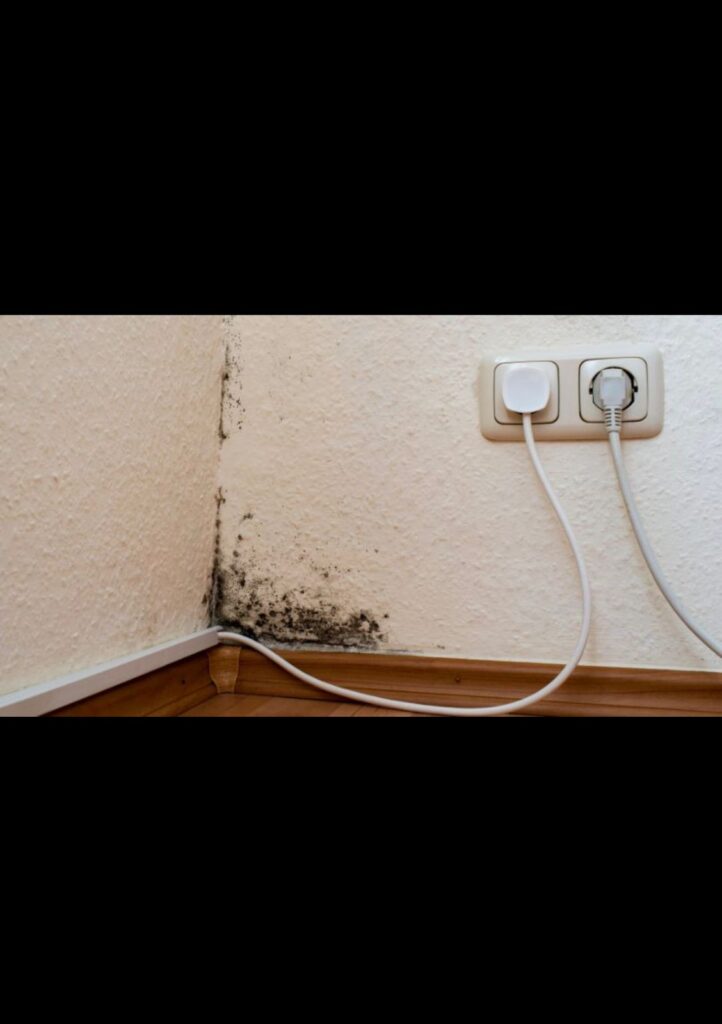
Hidden Mold Problems in Viera: What Homeowners in Brevard County Should KnowHidden mold is one of the most overlooked threats to homes in Viera and across Brevard County. Unlike visible mold on walls or ceilings, hidden mold grows quietly behind drywall, under flooring, and inside HVAC systems—often for months—before homeowners realize there’s a problem. By the time it’s discovered, damage and health effects may already be significant.This guide explains why hidden mold is common in Viera homes, where it hides, how to recognize warning signs, and what homeowners should know to prevent long-term damage.⸻Why Hidden Mold Is Common in Viera HomesViera’s climate and construction styles create ideal conditions for concealed mold growth.Key contributing factors include: • High year-round humidity • Heavy rain and seasonal storms • Tight, energy-efficient construction limiting airflow • Slab foundations that trap moisture • AC systems running most of the year • Plumbing lines routed inside walls • Condensation forming on cool surfacesHidden mold often develops from small moisture problems that go unnoticed.⸻How Hidden Mold DevelopsHidden mold usually begins after moisture penetrates building materials and doesn’t fully dry.Common triggers include: • Slow plumbing leaks behind walls • AC condensation leaking into wall cavities • Water intrusion around windows and doors • Roof leaks wetting insulation • High indoor humidity over long periods • Wet materials sealed behind finished surfacesMold can begin growing within 24–48 hours once materials stay damp.⸻Where Hidden Mold Commonly HidesHidden mold rarely appears in open areas early.High-risk locations include: • Behind drywall and baseboards • Under laminate, tile, and carpet • Inside wall cavities near plumbing • Under kitchen and bathroom cabinets • Inside HVAC systems and ductwork • Closets along exterior walls • Attics with ventilation or roof issues • Crawl spaces and slab edgesVisible mold often represents only a fraction of the total growth.⸻Warning Signs of Hidden MoldOdors • Persistent musty or earthy smells • Odors stronger after rain or humidity spikes • Smells noticeable when AC runs • Odors trapped in closed rooms or closetsVisual Clues • Bubbling or peeling paint • Warped drywall or baseboards • Discoloration on walls or ceilings • Flooring that feels soft or uneven • Stains that return after cleaningIndoor Comfort Changes • Damp or heavy indoor air • Rooms that feel clammy • Unexplained humidity increasesHealth Symptoms • Sneezing or coughing indoors • Nasal congestion or sinus irritation • Headaches • Eye or throat irritation • Worsening allergies or asthmaSymptoms that improve when leaving the home often point to hidden mold exposure.⸻Why Hidden Mold Is More Dangerous Than Visible MoldHidden mold: • Spreads undetected for long periods • Continuously releases spores into indoor air • Often contaminates HVAC systems • Damages structural materials • Is harder and more expensive to remove • Can affect the entire homeVisible mold is often just a warning sign of a larger concealed issue.⸻Why DIY Cleanup Fails With Hidden MoldDIY cleanup focuses only on what can be seen.Common mistakes include: • Cleaning visible stains without opening walls • Painting over affected areas • Using bleach on porous materials • Ignoring moisture sources • Running fans that spread sporesWithout addressing hidden growth and moisture, mold continues to spread.⸻Mold Testing and Hidden MoldTesting is not always required but can be useful when: • Odors persist without visible mold • Health symptoms are unexplained • Mold is suspected inside walls or flooring • Documentation is needed for insurance or real estateTesting helps confirm hidden issues but does not replace remediation.⸻What Professional Remediation Does for Hidden MoldProper remediation focuses on detection, containment, and prevention.A professional approach may include: • Moisture detection and inspection • Opening affected wall or floor sections • Containment to prevent spore spread • HEPA air filtration • Removal of contaminated materials • Cleaning and treating remaining surfaces • Drying and dehumidification • Correcting moisture sourcesWithout moisture correction, hidden mold almost always returns.⸻HVAC Systems and Hidden MoldHVAC systems are common pathways for hidden mold.Problems often include: • Mold inside air handlers • Contaminated duct insulation • Condensation on coils and drain pans • Leaking drain linesHVAC-related mold spreads spores throughout the home and worsens indoor air quality.⸻Insurance and Hidden MoldCoverage depends on the cause of moisture.✔ Often covered if mold results from a sudden, accidental water event❌ Often denied if caused by long-term leaks or humidityPrompt documentation and professional reports improve claim outcomes.⸻Preventing Hidden Mold in Viera HomesPrevention focuses on moisture control and early detection.Effective strategies include: • Keeping indoor humidity between 30–50% • Maintaining AC systems and drain lines • Fixing leaks immediately • Inspecting after storms • Sealing windows and exterior penetrations • Improving airflow in closets and storage areas • Avoiding furniture placement directly against exterior walls • Scheduling periodic professional inspectionsConsistent monitoring prevents small moisture issues from becoming major problems.⸻Why Early Detection MattersUnchecked hidden mold can lead to: • Structural damage • HVAC contamination • Poor indoor air quality • Higher remediation costs • Health complaints • Insurance disputesEarly identification limits damage and expense.⸻Final ThoughtsHidden mold problems are common in Viera homes due to humidity, storms, and concealed moisture pathways. Because mold can grow out of sight for long periods, odors, comfort changes, and health symptoms are often the first warning signs.Monitoring moisture, responding quickly to leaks, and addressing hidden growth properly protects indoor air quality and prevents small issues from becoming costly mold problems in Brevard County homes.