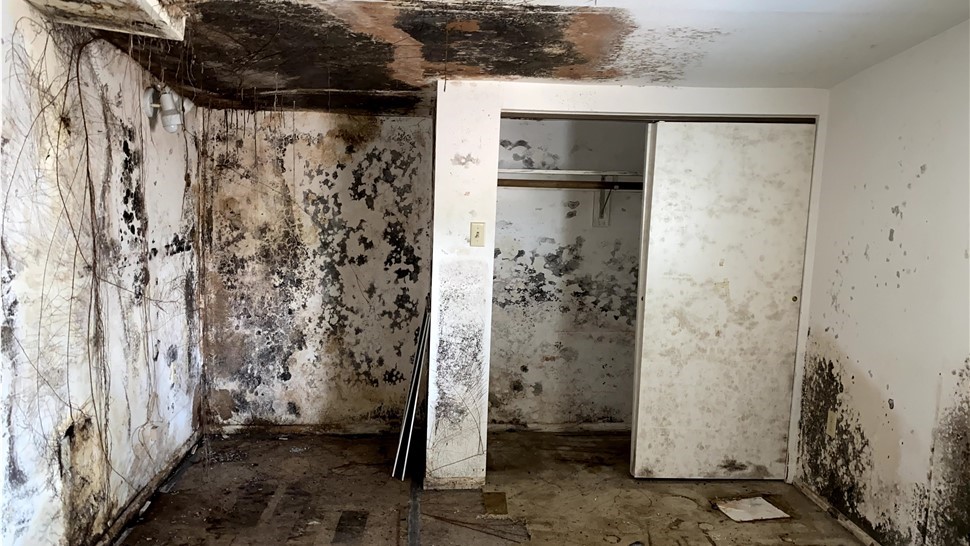
Hidden Mold Problems in Viera: What Homeowners in Brevard County Should Know
Hidden mold is one of the most frustrating issues homeowners in Viera face—not because it’s rare, but because it often develops without obvious warning signs. Homes can look clean, smell fine most days, and still have mold growing quietly behind walls, under floors, or above ceilings. By the time visible signs appear, the problem has usually been there for a while.
In Brevard County’s warm, humid environment, hidden mold is far more common than surface mold. Understanding why mold hides, where it typically develops in Viera homes, and how homeowners can recognize subtle clues makes a major difference in catching problems early—before they turn into extensive repairs.
Why Hidden Mold Is So Common in Viera Homes
Viera homes are built to be energy efficient and comfortable, but Florida’s climate works against fast drying. Moisture doesn’t always enter dramatically—it often sneaks in and stays trapped.
Local conditions that encourage hidden mold include:
- High year-round humidity
- Afternoon rainstorms and tropical weather
- Homes kept closed and air-conditioned most of the year
- Slab foundations that trap moisture beneath flooring
- Long AC run times that create condensation
When moisture can’t escape easily, it settles into building materials where mold can grow out of sight.
What Makes Mold “Hidden”
Hidden mold simply means mold growing in areas that aren’t visible during normal daily living. Mold doesn’t need light—only moisture and a surface—so it thrives in concealed spaces.
Hidden mold often develops:
- Behind drywall
- Beneath flooring
- Inside wall cavities
- Above ceilings
- Inside HVAC systems
- In attics and crawl spaces
Because these areas aren’t routinely inspected, mold can grow for weeks or months before homeowners realize there’s a problem.
Common Places Hidden Mold Forms in Viera Homes
Some areas of Viera homes are especially prone to concealed mold due to construction style and moisture movement.
Typical hidden mold locations include:
- Behind bathroom and kitchen walls near plumbing lines
- Under laminate, vinyl plank, or tile flooring
- Inside attic insulation after roof leaks
- Around HVAC air handlers and ductwork
- Behind cabinets, vanities, and closets on exterior walls
These areas often stay damp longer than homeowners realize.
Why Slab Foundations Increase Hidden Mold Risk
Most homes in Viera are built on slab foundations. After heavy rain or plumbing leaks, moisture can remain trapped beneath flooring materials.
Common slab-related mold scenarios include:
- Moisture wicking up into flooring
- Condensation forming under impermeable floors
- Flooring materials trapping dampness
- Mold developing underneath without surface signs
Homeowners may only notice soft flooring, odors, or discoloration much later.
Hidden Mold After Minor Water Events
Hidden mold doesn’t require flooding. In fact, many cases begin with small water issues that seem insignificant at the time.
Common triggers include:
- Slow plumbing leaks
- AC condensate drain clogs
- Roof leaks after storms
- Window or door seal failures
- Bathroom moisture without proper ventilation
Because the water spreads into cavities and materials, it dries slowly and quietly supports mold growth.
Subtle Signs of Hidden Mold Homeowners Miss
Hidden mold rarely announces itself clearly. Instead, homeowners notice indirect signs that are easy to dismiss.
Common clues include:
- Musty or earthy odors that come and go
- Odors stronger when the AC runs
- Rooms that feel more humid than others
- Recurring surface mold in the same areas
- Bubbling paint or slight wall discoloration
- Flooring that feels soft or uneven
These signs usually point to moisture behind surfaces.
Why HVAC Systems Are Often Involved
HVAC systems can both hide and spread mold. In Viera homes, mold frequently develops inside air handlers, duct insulation, or around vents.
HVAC-related hidden mold issues often involve:
- Condensation inside air handlers
- Moisture in drain pans or drain lines
- Mold on internal insulation
- Ductwork running through hot, humid attics
When HVAC systems circulate air, odors and spores can move throughout the home—even if the mold itself is hidden.
Attics: A Major Source of Hidden Mold
Attics are one of the most common places for hidden mold in Viera homes.
Attic mold often develops due to:
- Bathroom fans venting into attics
- Roof leaks after heavy rain
- Poor attic ventilation
- Warm indoor air leaking upward
Because attics aren’t regularly inspected, mold can spread extensively before it’s discovered.
Why DIY Cleaning Doesn’t Solve Hidden Mold
DIY mold cleanup focuses on what homeowners can see. Hidden mold remains untouched—and often worsens.
DIY efforts fail because:
- Moisture sources aren’t identified
- Mold roots remain inside materials
- Hidden areas continue feeding growth
- Cleaning spreads spores into the air
In Florida’s humid climate, hidden mold almost always returns if moisture isn’t corrected.
How Professional Mold Inspections Find Hidden Mold
A professional mold inspection focuses on conditions, not just visible mold.
A thorough inspection may include:
- Moisture readings inside walls and floors
- Thermal imaging to identify damp areas
- Attic and HVAC inspections
- Evaluation of ventilation and airflow
- Targeted testing when appropriate
This approach helps locate hidden growth before it becomes widespread.
Brevard Mold Inspections & Removal works with Viera homeowners to identify hidden moisture and mold issues calmly and clearly—without fear-based assumptions.
When Hidden Mold Becomes a Bigger Problem
Hidden mold can spread over time and affect:
- Structural materials
- Indoor air quality
- HVAC systems
- Multiple rooms at once
The longer moisture remains, the more extensive remediation may become. Early detection usually means simpler solutions.
Preventing Hidden Mold in Viera Homes
Prevention focuses on moisture awareness and consistency.
Helpful prevention steps include:
- Regular AC maintenance and drain line cleaning
- Using bathroom exhaust fans properly
- Monitoring indoor humidity
- Inspecting attics after storms
- Addressing small leaks immediately
- Paying attention to odors and moisture changes
Small actions help prevent mold from staying hidden too long.
Why Local Experience in Viera Matters
Hidden mold behaves differently in Florida than in dry climates. Viera homes face challenges tied to humidity, slab construction, and long cooling seasons.
Local professionals understand:
- Where moisture hides in Brevard County homes
- How attic and HVAC systems contribute to mold
- How slab foundations affect drying
- How storms increase hidden moisture risk
Brevard Mold Inspections & Removal brings that Viera-specific experience into every inspection and recommendation.
A Calm, Practical Takeaway for Homeowners
Hidden mold problems in Viera are common—but they don’t have to become overwhelming. Most issues start with moisture that wasn’t visible or didn’t seem urgent at the time.
If your home has unexplained odors, recurring mold, or signs of moisture that don’t fully resolve, a professional inspection can provide clarity. Finding hidden mold early is the best way to protect your home, avoid larger repairs, and maintain indoor comfort in Brevard County’s humid climate.