Hidden Mold Problems in West Melbourne: What Homeowners in Brevard County Should Know
Hidden mold is one of the most frustrating issues homeowners in West Melbourne deal with. There’s no obvious mold on the walls, yet something feels off—musty odors linger, rooms feel damp even with the AC running, or minor mold keeps returning no matter how often it’s cleaned. In Brevard County’s humid climate, mold often grows where you can’t see it.
Understanding where hidden mold develops, why West Melbourne homes are vulnerable, and how to identify the warning signs early can help homeowners address problems calmly—before they become larger and more expensive.
What “Hidden Mold” Really Means
Hidden mold refers to mold growth that develops out of sight. It may be behind drywall, under flooring, inside attic insulation, or within HVAC systems. Because it isn’t visible, homeowners often don’t realize it’s there until secondary signs appear.
In West Melbourne, hidden mold is usually tied to moisture—not poor cleaning. Small leaks, condensation, or humidity buildup can quietly support mold growth for months.
Why Hidden Mold Is Common in West Melbourne Homes
West Melbourne may be inland, but humidity remains high most of the year. Frequent afternoon storms, long AC run times, and warm nights slow drying indoors.
Common local factors include:
- Slab foundations trapping moisture beneath flooring
- Attics exposed to intense heat and humid air
- Plumbing lines hidden inside walls
- AC systems producing constant condensation
- Storm-related roof or window leaks
- Bathrooms and laundry rooms with limited ventilation
Even newer homes can develop hidden mold if moisture isn’t drying out properly.
Common Places Hidden Mold Develops
Hidden mold usually forms in areas that stay damp and receive little airflow. In West Melbourne homes, the most common locations include:
- Behind bathroom or kitchen walls after plumbing leaks
- Under tile, laminate, or carpet after minor water intrusion
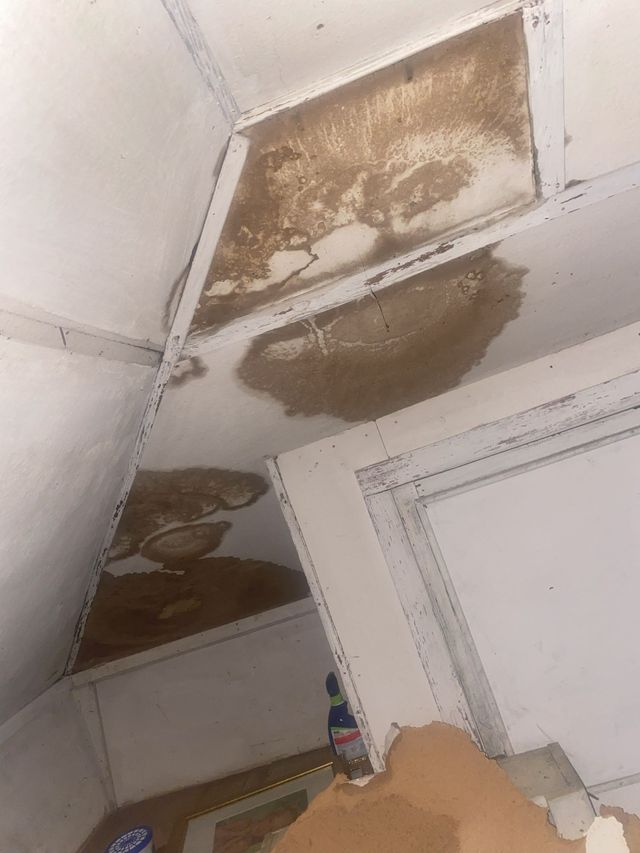
- Inside attics with ventilation imbalance or roof leaks
- Around HVAC air handlers, drain pans, and ductwork
- Beneath cabinets or vanities near exterior walls
- Inside wall cavities affected by wind-driven rain
Because these spaces aren’t part of daily cleaning, mold can grow unnoticed for long periods.
Subtle Signs Homeowners Often Miss
Hidden mold rarely announces itself clearly at first. Many homeowners notice indirect signs before discovering the source.
Common warning signs include:
- Persistent musty or earthy odors
- Increased indoor humidity despite AC use
- Bubbling paint or warped baseboards
- Floors that feel damp or cool
- Mold that keeps returning in the same area
These signs usually indicate trapped moisture somewhere in the home—even if mold isn’t visible.
How Hidden Mold Affects Indoor Comfort
When mold grows behind walls or inside HVAC systems, spores and damp air can circulate through the home. This can make indoor air feel stale or heavy, especially in tightly sealed homes.
Some occupants notice irritation, congestion, or headaches that improve when they leave the house. While symptoms alone don’t confirm mold, they often point to unresolved moisture issues that deserve investigation.
Hidden mold can also slowly damage building materials over time.
Why DIY Efforts Rarely Find Hidden Mold
DIY mold cleanup usually focuses on visible surfaces. Homeowners may scrub, repaint, or replace flooring without realizing moisture remains underneath.
Without moisture detection tools, it’s difficult to identify dampness inside walls, under slabs, or in insulation. Painting over stains or sealing surfaces can actually trap moisture and make hidden mold worse.
This is why mold often “comes back” even after thorough-looking DIY cleanup.
The Role of Professional Mold Inspections
A professional mold inspection is often the most effective way to uncover hidden mold. Inspectors use visual assessments combined with moisture meters and other tools to locate damp areas that aren’t visible.
When appropriate, air or surface sampling may help assess indoor conditions, but the primary goal is identifying moisture sources and affected areas. Finding the cause matters more than simply confirming mold presence.
Local professionals such as Brevard Mold Inspections & Removal understand West Melbourne construction styles, climate patterns, and common hidden mold locations throughout Brevard County homes.
Proper Mold Removal and Remediation for Hidden Growth
Addressing hidden mold requires more than surface cleaning. Proper remediation begins with correcting the moisture source—whether that’s a leak, ventilation issue, or condensation problem.
Containment is used during removal to prevent spores from spreading. Affected materials may be cleaned or removed depending on severity. Once remediation is complete, steps are taken to prevent moisture from returning.
The goal is restoring dry, stable conditions throughout the home—not just removing visible mold.
Preventing Hidden Mold in West Melbourne Homes
While hidden mold can’t always be prevented, homeowners can reduce risk by staying proactive with moisture control.
Helpful prevention steps include:
- Inspecting attics and HVAC systems regularly
- Addressing leaks immediately, even small ones
- Using exhaust fans consistently
- Monitoring indoor humidity levels
- Scheduling routine AC maintenance
- Checking under sinks and behind appliances
- Inspecting after storms and heavy rain
Early detection is one of the most effective tools against hidden mold.
Why Local Experience in Brevard County Matters
Hidden mold issues in Florida differ from those in drier regions. West Melbourne homes face high humidity, slab foundations, and frequent storms that require local knowledge to assess properly.
Homes here behave differently than coastal areas like Cocoa Beach or river-adjacent communities like Merritt Island. Local experience ensures inspections and solutions are tailored to Brevard County conditions—not generic advice.
A Calm, Informed Way Forward
Hidden mold problems can feel unsettling, especially when there’s no obvious source. The key is not panic, but information. Understanding how moisture behaves in West Melbourne homes makes it easier to recognize warning signs and take appropriate action.
With proper inspection, moisture correction, and preventive maintenance, most hidden mold issues can be identified and resolved effectively. A professional evaluation provides clarity and helps homeowners protect their property and indoor comfort with confidence.
Images for This Article