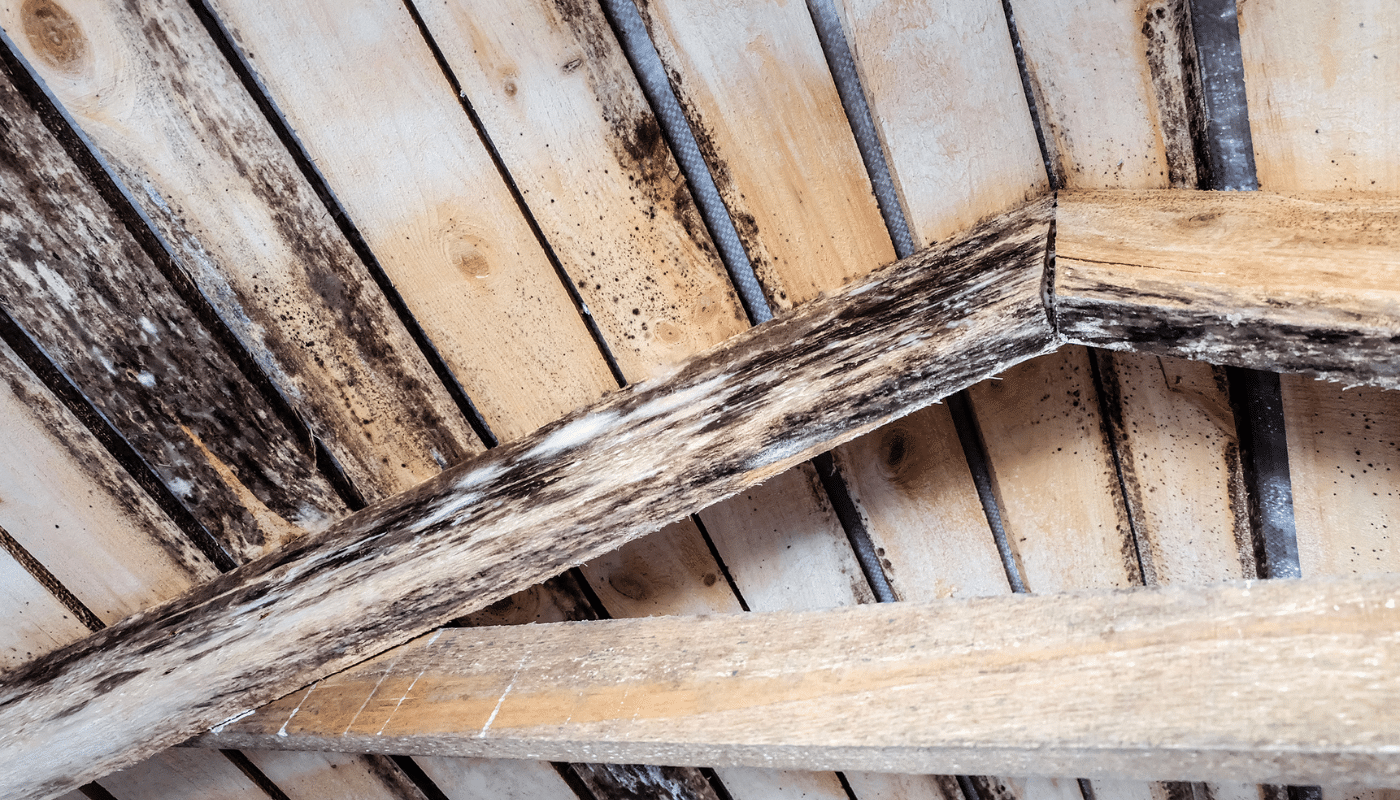
Hidden Mold Problems in West Melbourne: What Homeowners in Brevard County Should Know
In West Melbourne, some of the most frustrating mold problems are the ones you can’t see. A home may look clean, freshly painted, and well cared for—yet musty odors linger, humidity feels hard to control, or mold keeps returning in the same general area. In many Brevard County homes, these clues point to hidden mold growing behind walls, under floors, or above ceilings.
Hidden mold problems are especially common in Florida because moisture doesn’t always show itself. Warm air, high humidity, and slab construction allow water vapor to move quietly through a home. Understanding how hidden mold develops in West Melbourne, where it tends to hide, and what warning signs matter most helps homeowners address issues early—before they spread or cause repeat repairs.
Why Hidden Mold Is Common in West Melbourne Homes
West Melbourne may be inland, but it still experiences the same humid air, heavy rain, and long cooling seasons as the rest of Brevard County. Homes are often sealed tightly for energy efficiency, which can trap moisture when ventilation or drainage isn’t ideal.
Local factors that increase hidden mold risk include:
- High year-round humidity
- Frequent rain and summer storms
- Slab foundations common in the area
- Long AC run times that cool air faster than they dry materials
- Homes kept closed and air-conditioned most of the year
- Slow drying after small leaks or condensation
These conditions allow moisture to settle into materials without obvious surface signs.
How Hidden Mold Develops
Hidden mold rarely starts with a dramatic event. More often, it grows gradually when moisture enters the home repeatedly and never fully dries.
Common scenarios include:
- Minor roof leaks after storms
- Slow plumbing leaks inside walls
- Condensation around HVAC components
- Bathroom steam entering wall cavities
- Moisture migrating up through slab foundations
Because these issues don’t always leave stains or puddles, mold can grow quietly for weeks or months.
Where Hidden Mold Commonly Grows in West Melbourne
Hidden mold thrives in dark, enclosed spaces where moisture lingers and airflow is limited.
High-risk hidden locations include:
- Behind drywall on exterior walls
- Beneath laminate, vinyl, or tile flooring
- Inside wall cavities near plumbing lines
- Around HVAC air handlers and ductwork
- In attic insulation after roof leaks
- Behind cabinets, vanities, and closets
Visible mold is often only the surface symptom of a larger hidden issue.
Slab Foundations and Hidden Mold Beneath Floors
Most West Melbourne homes are built on slab foundations. Slabs can hold moisture and allow it to migrate upward into flooring materials—especially during humid months.
This can lead to:
- Mold growing beneath flooring
- Musty odors without visible growth
- Floors that feel cool or damp
- Mold that returns after surface cleaning
Hidden mold beneath floors is one of the most overlooked problems in Florida homes.
HVAC Systems and Hidden Mold
HVAC systems are another frequent source of hidden mold. Because AC systems remove moisture from the air, they’re constantly exposed to condensation.
Hidden mold often develops:
- Inside air handlers
- On evaporator coils
- In drain pans with standing water
- Inside duct insulation
- Around supply vents with repeated condensation
Since HVAC systems circulate air throughout the home, hidden mold here can affect multiple rooms at once.
Attics: A Common Hidden Mold Zone
Attics are out of sight and often out of mind, making them a prime location for hidden mold in West Melbourne homes.
Attic mold commonly develops due to:
- Small roof leaks after storms
- Bathroom exhaust fans venting into the attic
- Condensation on roof decking
- Damp insulation drying very slowly
Because attics aren’t inspected regularly, mold can spread extensively before anyone notices.
Warning Signs That Suggest Hidden Mold
Hidden mold usually leaves indirect clues before it becomes visible.
Common warning signs include:
- Persistent musty or earthy odors
- Odors stronger when the AC runs
- Mold that keeps returning after cleaning
- Peeling paint or bubbling drywall
- Discoloration near baseboards or ceilings
- Rooms that feel damp despite cooling
These signs often point to moisture and mold behind finished surfaces.
Why Visual Checks Alone Aren’t Enough
Looking for visible mold is rarely sufficient in Florida homes. Hidden mold doesn’t need light and doesn’t always discolor surfaces right away.
Visual-only checks miss:
- Mold inside wall cavities
- Growth beneath flooring
- Mold inside HVAC components
- Attic mold on roof decking
By the time mold becomes visible, hidden growth may already be widespread.
Why DIY Cleanup Doesn’t Solve Hidden Mold
DIY mold cleanup typically focuses on what homeowners can see—and that’s the problem.
DIY efforts fail because:
- Hidden mold remains untouched
- Moisture sources aren’t identified
- Bleach doesn’t penetrate porous materials
- Cleaning adds moisture
- Scrubbing spreads spores
In West Melbourne’s humid climate, hidden mold almost always returns after surface-level cleanup.
The Importance of Professional Mold Inspections
Hidden mold problems require a different approach than simple cleaning. A professional mold inspection focuses on conditions, not assumptions.
An inspection may include:
- Moisture readings in walls, floors, and ceilings
- Attic inspections for roof-related moisture
- HVAC system evaluation
- Identification of hidden damp areas
- Correlating odors and symptoms to moisture sources
This process helps homeowners understand where mold is growing and why.
Brevard Mold Inspections & Removal works with West Melbourne homeowners to identify hidden mold issues clearly and calmly, focusing on moisture causes rather than fear-based messaging.
When Mold Testing Is Helpful for Hidden Mold
Mold testing isn’t always required, but it can be useful when hidden growth is suspected.
Testing may help when:
- Odors persist without visible mold
- Mold keeps returning after cleanup
- HVAC involvement is suspected
- Confirmation is needed after remediation
Testing works best when guided by inspection findings that explain moisture behavior.
Proper Remediation for Hidden Mold
Hidden mold remediation focuses on removal and prevention, not cosmetic fixes.
A proper approach may include:
- Containment to prevent spore spread
- Removal of contaminated porous materials
- Cleaning remaining surfaces appropriately
- Correcting moisture sources
- Thorough drying and humidity control
Without addressing moisture, hidden mold will continue to return.
Hidden Mold After Storms and Power Outages
Storms often trigger hidden mold problems—even when there’s no flooding.
After storms:
- Wind-driven rain enters unnoticed
- Power outages stop humidity control
- Materials stay damp longer
- Mold begins growing behind surfaces
Hidden mold related to storms often appears weeks later.
Preventing Hidden Mold in West Melbourne Homes
Preventing hidden mold focuses on consistent moisture control.
Helpful prevention steps include:
- Regular HVAC maintenance and drain line cleaning
- Using bathroom exhaust fans consistently
- Monitoring indoor humidity levels
- Inspecting attics after storms
- Addressing small leaks immediately
- Allowing airflow in closets and storage areas
Early attention prevents hidden problems from becoming major ones.
Why Local West Melbourne Experience Matters
Hidden mold behaves differently in Florida than in dry climates. West Melbourne homes face challenges tied to humidity, slab construction, storms, and long cooling seasons.
Local professionals understand:
- Where moisture commonly hides locally
- How HVAC systems influence hidden mold
- How storms affect drying timelines
Local experience leads to more accurate assessments and lasting solutions.
A Calm, Practical Takeaway for Homeowners
Hidden mold problems in West Melbourne are common—but they don’t have to become overwhelming. Most issues stem from moisture that stayed too long in places homeowners can’t see.
If your home has persistent musty odors, recurring mold, or unexplained humidity, a professional inspection can provide clarity. Identifying hidden mold early helps protect your home, preserve its value, and maintain indoor comfort in Brevard County’s humid environment.