
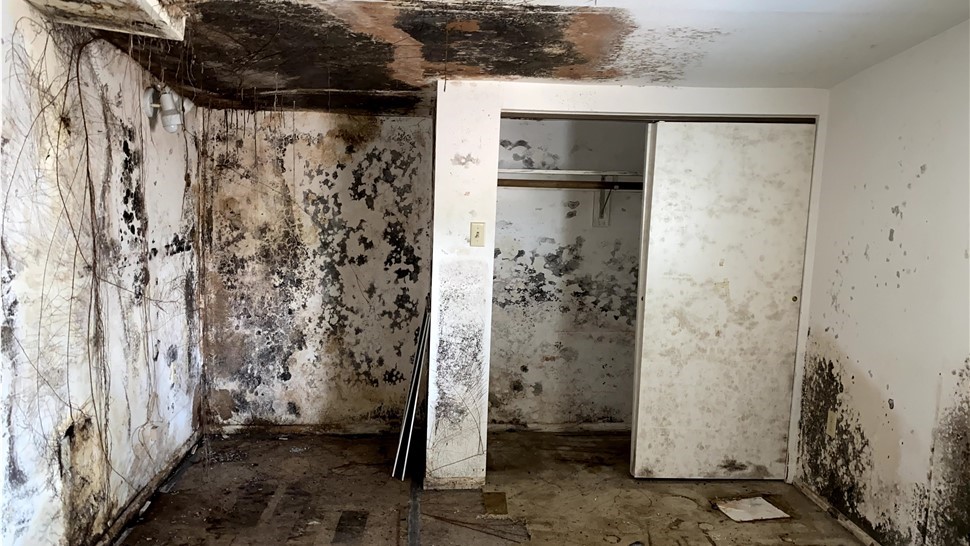
Humidity and Mold in Indian Harbour Beach: What Homeowners in Brevard County Should Know
Humidity plays a major role in mold problems for homeowners in Indian Harbour Beach. Living steps from the Atlantic means moisture is always present in the air, even on clear days. Many homes develop mold not because of leaks or flooding, but simply because indoor humidity stays higher than it should for too long.
In Brevard County, understanding humidity is one of the most important parts of mold prevention. When moisture is managed properly, mold struggles to grow. When it isn’t, mold finds opportunities in places homeowners don’t expect.
Why Humidity Is a Constant Challenge in Indian Harbour Beach
Indian Harbour Beach experiences elevated humidity almost year-round. Coastal breezes bring moist air inland, and salt air slows evaporation from building materials.
Even during dry weather, outdoor humidity levels remain high. When that air enters the home through doors, windows, vents, or small gaps, indoor humidity can rise quickly.
Air conditioning helps, but it isn’t foolproof. If systems aren’t operating efficiently, moisture lingers indoors long enough for mold to develop.
How High Humidity Leads to Mold Growth
Mold spores are always present in the air. They only become a problem when moisture allows them to settle and grow.
High humidity causes:
- Condensation on cool surfaces
- Slower drying of building materials
- Damp conditions inside walls and ceilings
When indoor humidity stays elevated, drywall, wood, insulation, and fabrics absorb moisture from the air. Mold can begin growing even without visible water damage.
In coastal homes, this process often happens gradually and quietly.
Common Areas Affected by Humidity-Related Mold
Bathrooms are frequent trouble spots. Steam from showers quickly raises humidity, and without strong ventilation, moisture settles on ceilings and walls.
HVAC systems are another major area. Air handlers, drain pans, coils, and ductwork constantly deal with condensation. When drainage or airflow is compromised, mold can develop inside the system.
Closets, spare rooms, and corners of exterior walls often experience poor airflow. These areas dry slowly and are common locations for humidity-driven mold.
Attics and wall cavities may also trap humid air that condenses on cooler surfaces, allowing mold to grow unseen.
Condensation: The Warning Sign Many Homeowners Miss
Condensation is one of the clearest indicators of humidity problems.
Water droplets on air vents, windows, pipes, or ceilings mean humid air is contacting cooler surfaces. Over time, that moisture feeds mold growth.
In Indian Harbour Beach homes, condensation often appears during warmer months or after storms when humidity spikes.
Ignoring condensation allows mold-friendly conditions to continue.
Why Mold Appears Without Leaks
Many homeowners assume mold means there’s a leak. In coastal Brevard County, that’s often not the case.
Humidity alone can cause mold when:
- AC systems don’t remove enough moisture
- Indoor air circulation is poor
- Windows or doors allow humid air inside
- Temperature differences create condensation
This is why mold can appear even in newer homes with no history of water damage.
The Role of HVAC Systems in Humidity Control
HVAC systems are the primary tool for controlling indoor humidity in Florida homes.
When systems are properly sized, maintained, and balanced, they remove moisture while cooling. Problems arise when:
- Systems are oversized and short-cycle
- Coils are dirty
- Drain lines are clogged
- Airflow is restricted
- Duct insulation is damaged
Any of these issues reduces dehumidification, allowing humidity to remain high indoors.
How Humidity Affects Hidden Areas
Humidity doesn’t just affect visible surfaces.
Moist air moves into wall cavities, behind drywall, under flooring, and into attics. These areas often stay cooler and darker, allowing condensation to form repeatedly.
Hidden mold driven by humidity is often discovered only after odors develop or during inspections and renovations.
Why Cleaning Mold Doesn’t Solve Humidity Problems
Surface cleaning removes mold you can see but doesn’t change moisture conditions.
Bleach and household cleaners do not reduce humidity or prevent condensation. In fact, they often add moisture to porous materials.
As long as indoor humidity remains elevated, mold will return — sometimes faster than before.
Humidity control is the solution, not repeated cleaning.
How Professional Inspections Address Humidity Issues
A professional mold inspection looks closely at moisture patterns.
Inspectors evaluate indoor humidity levels, HVAC performance, ventilation, and condensation points. Moisture meters and thermal imaging help locate damp areas that aren’t visible.
The goal is identifying why humidity remains high and where it’s affecting the home.
Brevard Mold Inspections & Removal focuses on moisture-driven mold conditions rather than surface symptoms.
Practical Ways to Reduce Humidity Indoors
Simple steps can make a significant difference.
Using bathroom exhaust fans during and after showers helps remove moisture at its source. Fans must vent outdoors to be effective.
Regular HVAC maintenance keeps systems removing moisture efficiently. Keeping filters clean and drain lines clear is critical.
Maintaining consistent thermostat settings helps avoid humidity spikes caused by turning systems off for long periods.
Sealing gaps around windows, doors, and attic penetrations reduces humid air infiltration.
Monitoring indoor humidity provides early warning before mold develops.
Why Coastal Homes Need Ongoing Attention
Humidity control in Indian Harbour Beach isn’t a one-time task.
Seasonal changes, storms, and system wear constantly affect moisture levels. What worked last year may not be enough this year.
Regular checks of HVAC systems, attics, and bathrooms help catch changes early before mold appears.
Preventing Humidity-Driven Mold Long-Term
Long-term prevention focuses on stability.
Homes that maintain balanced airflow, consistent cooling, and controlled humidity experience far fewer mold issues.
After storms or power outages, it’s important to restore cooling and dehumidification as quickly as possible.
Periodic inspections help identify subtle changes in moisture behavior before they lead to visible mold.
Why Local Experience in Brevard County Matters
Humidity behaves differently in coastal Florida than in inland or dry climates.
Indian Harbour Beach homes face salt air, constant moisture, storms, slab foundations, and long cooling seasons. Local experience helps identify where humidity problems typically start and how to control them effectively.
Generic advice often underestimates how persistent coastal humidity really is.
A Calm, Practical Takeaway
Humidity is the driving force behind many mold problems in Indian Harbour Beach homes. Mold rarely appears by accident — it follows moisture that isn’t being managed effectively.
If your home feels damp, smells musty, or shows recurring mold without obvious leaks, humidity is likely involved. A professional inspection can provide clarity and practical solutions.
Homeowners throughout Brevard County benefit from understanding how their homes interact with Florida’s climate. Brevard Mold Inspections & Removal helps homeowners identify humidity issues, correct moisture conditions, and reduce mold risk long-term.
When humidity is controlled properly, mold becomes far less likely — and home comfort improves across the board.