
Humidity and Mold in Indian Harbour Beach: What Homeowners in Brevard County Should Know
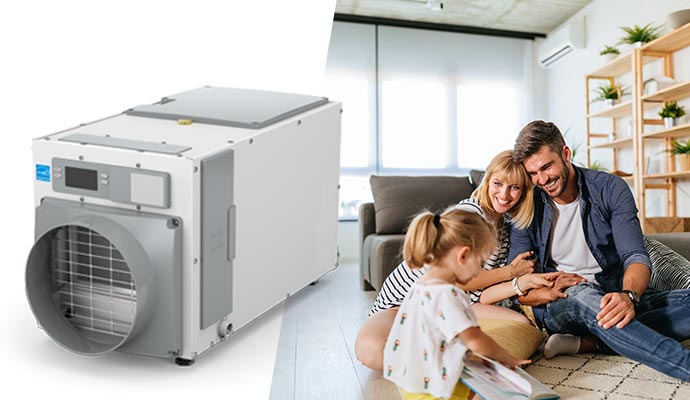
Humidity is the single biggest driver of mold growth in homes across Indian Harbour Beach and throughout Brevard County. In a coastal environment where warm air, salt moisture, and ocean breezes are constant, mold doesn’t need a flood or major leak to become a problem — excess humidity alone is often enough.
Many homeowners are surprised to learn that some of the worst mold cases start quietly, with nothing more than elevated indoor humidity over time. Understanding how humidity fuels mold — and how to control it — is essential for protecting your home and health.
Why Humidity Is So High in Indian Harbour Beach
Indian Harbour Beach homes face unique moisture challenges due to:
- Proximity to the Atlantic Ocean
- Constant salt air exposure
- High year-round outdoor humidity
- Warm temperatures most of the year
- Frequent rain and coastal storms
- Homes kept closed to manage heat
When outdoor moisture seeps indoors and isn’t properly controlled, indoor humidity levels rise quickly.
How Humidity Leads to Mold Growth
Mold spores are always present in the air. Humidity determines whether they stay dormant or begin growing.
When indoor humidity rises above 55–60%, moisture settles on:
- Walls and ceilings
- Windows and doors
- HVAC vents and ductwork
- Floors and baseboards
Once surfaces remain damp, mold can begin growing within 24–48 hours, often without visible warning signs.
Common Signs of High Humidity in the Home
Many homeowners experience humidity problems long before mold appears.
Warning signs include:
- Musty or damp odors
- Condensation on windows or vents
- Rooms that feel sticky or heavy
- Warped wood or flooring
- Peeling paint
- Mold returning after cleaning
If your home feels humid even with the AC running, moisture control may be inadequate.
Where Mold Commonly Develops Due to Humidity
In Indian Harbour Beach homes, humidity-related mold often appears in:
- Bathrooms and showers
- Closets on exterior walls
- Bedrooms with limited airflow
- Attics
- Under sinks and cabinets
- Around windows and sliding doors
- HVAC systems and ductwork
Hidden mold is especially common when humidity stays high for long periods.
Why Air Conditioning Alone Isn’t Always Enough
While air conditioning removes some moisture, it’s often not enough on its own in coastal Florida.
Problems arise when:
- The AC system is oversized and short-cycles
- The system doesn’t run long enough to dehumidify
- The home is closed up for long periods
- Humidity spikes during storms or rainy weeks
This is why many coastal homes need additional dehumidification.
Health Effects of Humidity-Driven Mold
Excess humidity and mold can affect indoor air quality and health.
Common symptoms include:
- Sneezing or coughing
- Nasal congestion
- Eye or throat irritation
- Headaches
- Fatigue
- Worsened asthma or allergies
Symptoms often improve when leaving the home and worsen indoors — a key sign of humidity-related mold exposure.
Why Humidity Problems Often Go Unnoticed
Humidity-related mold is frequently overlooked because:
- There’s no single water event
- Mold grows slowly and quietly
- Damage is hidden behind walls or flooring
- Odors develop gradually
By the time mold is visible, humidity issues may have been present for months.
Does Insurance Cover Mold Caused by Humidity?
In most cases, humidity-related mold is not covered by homeowners insurance.
Insurance typically denies coverage when mold is caused by:
- High humidity
- Poor ventilation
- Long-term moisture buildup
- Maintenance-related issues
This makes prevention especially important in Indian Harbour Beach homes.
How to Control Humidity and Prevent Mold
Effective humidity control strategies include:
- Keeping indoor humidity below 55%
- Using whole-home or portable dehumidifiers
- Running AC consistently, even when away
- Sealing air leaks around windows and doors
- Using exhaust fans in bathrooms and kitchens
- Improving attic ventilation
- Monitoring humidity with a digital hygrometer
Humidity control is the foundation of mold prevention.
Why Dehumidifiers Are Essential in Coastal Homes
In Indian Harbour Beach, dehumidifiers often make the biggest difference.
Benefits include:
- Reduced mold risk
- Improved comfort
- Less condensation
- Better indoor air quality
- Reduced musty odors
Many homeowners find that dehumidifiers solve mold problems that cleaning never could.
When to Seek Professional Help
Professional help is recommended if:
- Mold keeps returning despite cleaning
- Indoor humidity remains high
- Musty odors persist
- Health symptoms worsen indoors
- Mold is suspected but not visible
Professionals can identify moisture patterns and recommend long-term solutions.
Long-Term Risks of Ignoring Humidity Problems
Failing to control humidity can lead to:
- Hidden mold growth
- Structural damage
- Persistent odors
- Declining indoor air quality
- Increased remediation costs
- Reduced property value
Humidity issues rarely resolve on their own.
Conclusion
Humidity is the primary cause of mold problems in Indian Harbour Beach and Brevard County homes. Coastal moisture, warm temperatures, and sealed indoor environments allow mold to grow quietly — often without leaks or flooding.
By monitoring humidity, using dehumidifiers, maintaining HVAC systems, and improving ventilation, homeowners can stop mold before it starts. In coastal Florida, controlling humidity isn’t optional — it’s essential for a healthy, mold-free home.