
Humidity and Mold in Indian Harbour Beach: What Homeowners in Brevard County Should Know
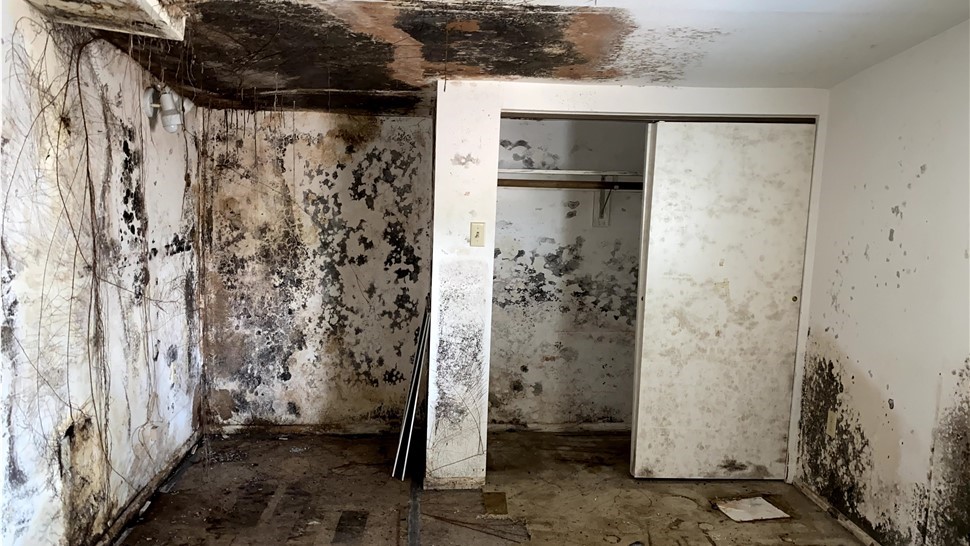
Humidity controls more than most homeowners realize. In Indian Harbour Beach, mold problems often begin without leaks, flooding, or visible water. The real cause is usually moisture in the air that lingers day after day until building materials absorb it.
I’ve inspected homes where everything looked dry, yet humidity levels were high enough to support mold growth inside closets, ceilings, and HVAC systems. Ever notice how some rooms feel damp even when nothing is wet? That’s humidity quietly building the conditions mold needs.
Let’s look at how humidity leads to mold, what signs to watch for, and how homeowners in Brevard County can prevent problems before they start.
Why Humidity Leads to Mold Growth
Mold doesn’t need standing water to grow. High humidity alone can provide enough moisture, especially when it stays elevated for long periods.
In Indian Harbour Beach homes, mold growth from humidity usually happens because:
- Warm, humid outdoor air enters the home
- Air conditioning runs but doesn’t fully remove moisture
- Ventilation is limited
- Moisture becomes trapped in materials
When humidity remains high, drywall, wood, and fabrics slowly absorb moisture from the air. Mold spores, which are always present in small amounts, begin to grow under these conditions.
Rhetorical question time: if moisture stays in the air every day, wouldn’t surfaces eventually absorb it?
That’s exactly how humidity-related mold begins.
Why Coastal Areas Face Higher Humidity
Indian Harbour Beach sits near the ocean, and coastal climates naturally have higher moisture levels in the air. Even on days without rain, humidity can remain elevated.
Factors that increase humidity indoors include:
- Sea air and coastal winds
- Frequent rain and storms
- Warm temperatures year-round
- Homes remaining closed while AC runs
Humidity doesn’t always feel obvious, which makes it easy to overlook.
IMO, humidity causes more mold in coastal Florida homes than plumbing leaks do.
Common Places Mold Appears From Humidity
Humidity-related mold often develops in areas homeowners don’t expect.
During inspections, mold frequently appears in:
- Ceiling corners and upper walls
- Closets with limited airflow
- Behind furniture placed against exterior walls
- Around air vents and registers
- Inside HVAC systems
These areas tend to trap air and moisture, allowing mold to grow gradually.
Ever notice how closets sometimes smell musty even when the rest of the house doesn’t? That’s a classic humidity sign.
Early Signs of High Humidity Indoors
Humidity problems usually show subtle warning signs before mold becomes visible.
Homeowners may notice:
- Condensation on windows or vents
- Musty or damp odors
- Peeling paint or minor discoloration
- Air that feels heavy or sticky
These signs indicate moisture levels may be higher than recommended.
FYI, condensation inside a home almost always signals elevated humidity.
How HVAC Systems Affect Humidity
Air conditioning systems remove moisture from the air, but only when they operate properly and long enough to do the job.
Humidity problems sometimes occur when:
- AC units are oversized and cool too quickly
- Filters or coils restrict airflow
- Drain lines become partially clogged
When cooling cycles end too quickly, moisture remains in the air, allowing humidity levels to stay high.
Ever notice how some homes feel cool but still humid? That often happens when systems short-cycle.
Why Mold From Humidity Often Goes Undetected
Humidity-related mold develops slowly, often in hidden areas where airflow is limited. Surfaces may look clean while materials behind them remain damp.
During inspections in Indian Harbour Beach homes, we often find:
- Damp drywall cores
- Mold behind baseboards
- Moist insulation
These conditions can exist for months before becoming visible.
That’s why humidity-related mold problems often seem to appear suddenly, even though they’ve been developing quietly.
The Impact on Indoor Air Quality
Mold releases microscopic spores into the air as it grows. Even small areas of mold can affect indoor air quality, especially in homes where air circulates continuously through HVAC systems.
Homeowners sometimes notice:
- Persistent musty odors
- Allergy-like symptoms indoors
- Air feeling stale or heavy
These symptoms often improve when humidity levels decrease or when people spend time outside the home.
Ever wonder why a house smells fresh in winter but musty in summer? Seasonal humidity often explains that change.
The Role of Mold Inspection and Testing
When humidity problems persist or odors appear, inspection helps identify:
- Areas with elevated moisture
- Hidden mold growth
- Ventilation or HVAC issues
Mold testing may also help determine whether airborne mold levels are elevated and whether humidity has already led to contamination.
Inspection identifies conditions. Testing measures exposure.
Together, they provide a clear picture of what’s happening inside a home.
Preventing Mold Caused by Humidity
Preventing humidity-related mold focuses on moisture control and airflow.
Homeowners in Indian Harbour Beach can reduce risk by:
- Maintaining HVAC systems regularly
- Using exhaust fans in bathrooms and kitchens
- Keeping indoor humidity under control
- Allowing airflow in closets and enclosed spaces
- Repairing drainage or ventilation issues promptly
Dehumidifiers may also help in areas where humidity remains high.
Ever notice how rooms with good airflow rarely develop musty smells? Air movement makes a big difference.
Why Monitoring Humidity Matters
Indoor humidity levels that remain consistently high create the perfect environment for mold growth. Monitoring humidity allows homeowners to catch problems early.
Many inspections reveal mold growth in homes where humidity remained elevated for months without anyone realizing it.
Small changes—like improving ventilation or adjusting HVAC operation—often prevent mold entirely.
Early attention makes prevention much easier than remediation.
Why Acting Early Saves Time and Money
One consistent lesson from inspections is that humidity problems are far easier to correct before mold develops.
When homeowners act early:
- Mold never forms
- Air quality stays healthier
- Repairs remain minimal
Waiting allows moisture to affect building materials, which increases both cost and repair time.
Maintenance almost always costs less than remediation.
Final Thoughts
Humidity and mold in Indian Harbour Beach homes go hand in hand. Coastal air, warm temperatures, and limited ventilation can allow moisture to build up gradually, creating conditions where mold thrives.
Understanding early warning signs, controlling humidity, and maintaining proper ventilation help homeowners prevent mold problems before they begin—and keep indoor air quality comfortable year-round.