
Humidity and Mold in Indian Harbour Beach: What Homeowners in Brevard County Should Know
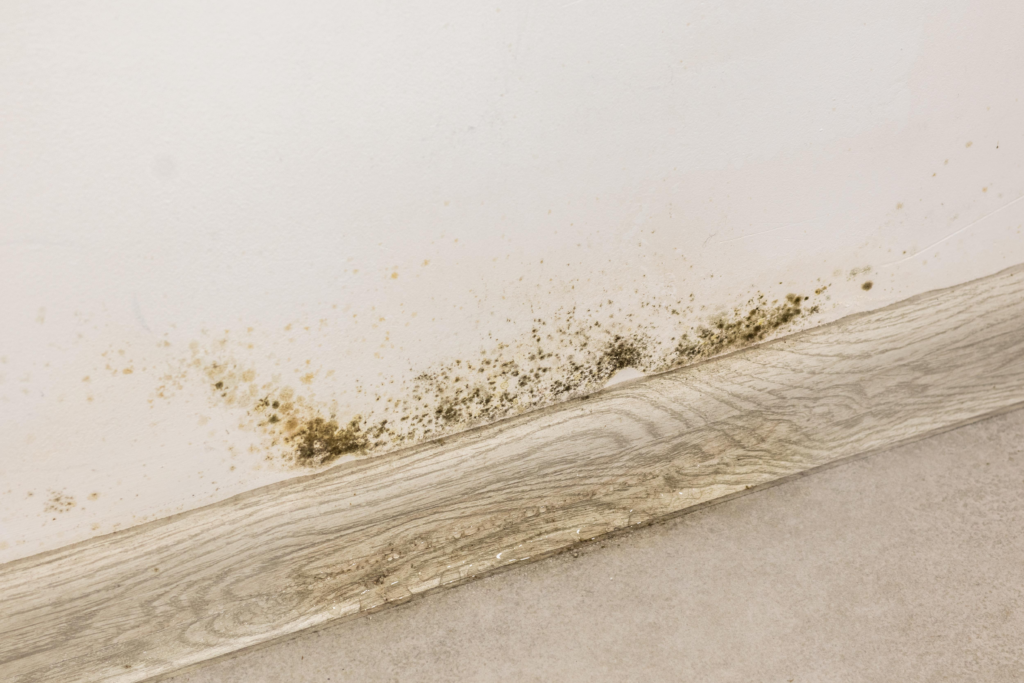
Living in Indian Harbour Beach offers beautiful coastal views, ocean breezes, and convenient access to everything Brevard County has to offer. But beachside living also brings a challenge many homeowners eventually face — controlling indoor humidity.
In Florida, mold problems often begin not with major leaks or flooding, but with everyday humidity that slowly builds inside homes. Many homeowners are surprised to learn that mold can grow even when no obvious water damage has occurred.
Across Indian Harbour Beach, Satellite Beach, Cocoa Beach, and other coastal communities, inspections frequently reveal mold growth linked directly to high humidity levels rather than plumbing failures or storms.
Understanding how humidity affects homes — and how it leads to mold — helps homeowners prevent costly repairs and maintain comfortable living spaces.
What Humidity Means Inside a Home
Humidity refers to the amount of moisture present in the air. In coastal Florida, outdoor humidity levels are high for much of the year, and that moisture easily enters homes.
When indoor humidity remains elevated, moisture settles on surfaces such as:
• Walls and ceilings
• Windows and sliding doors
• Air vents and ducts
• Flooring and baseboards
• Closets and cabinets
Once surfaces stay damp long enough, mold spores naturally present in the air begin growing.
Unlike obvious leaks, humidity problems develop slowly, which makes them harder to notice.
Why Indian Harbour Beach Homes Face Humidity Challenges
Homes in Indian Harbour Beach face some of the highest humidity exposure in Brevard County due to their coastal location.
Constant Ocean Air
Moist air from the Atlantic Ocean moves inland daily, increasing humidity levels inside homes even when windows remain closed.
Frequent Storm Activity
Heavy rain and tropical systems increase moisture levels and can introduce water into homes through small openings.
AC Systems Running Year-Round
Air conditioning systems help reduce humidity but sometimes struggle to keep up during extremely humid periods.
Coastal Building Exposure
Salt air and coastal weather slowly wear exterior materials, allowing moisture intrusion over time.
Tightly Sealed Modern Homes
Newer homes designed for energy efficiency sometimes trap humidity indoors if ventilation is insufficient.
Even well-maintained homes can struggle with humidity control.
Signs Indoor Humidity Is Becoming a Problem
Humidity problems often develop gradually, and homeowners usually notice subtle warning signs before mold appears.
Common signs include:
• Condensation forming on windows or sliding doors
• Rooms feeling damp or sticky
• Musty odors indoors
• Mold appearing around vents or windows
• Peeling paint or bubbling drywall
• Warped baseboards or flooring
Homes across Melbourne and Palm Bay often show these symptoms before visible mold becomes obvious.
If condensation or odors persist, moisture levels may be too high.
Where Mold Commonly Appears Due to Humidity
Humidity-related mold often grows in predictable areas where moisture collects.
Common mold-prone areas include:
Bathrooms
Steam from showers adds moisture that sometimes lingers.
Bedrooms Along Exterior Walls
Warm indoor air meeting cooler exterior walls causes condensation.
Closets and Storage Areas
Limited airflow traps moisture inside enclosed spaces.
Around Air Conditioning Vents
Temperature differences sometimes create condensation.
Kitchens and Laundry Rooms
Cooking and washing release additional humidity.
Attics and Crawl Spaces
Heat and moisture buildup create ideal mold conditions.
Homes in Merritt Island and Rockledge often show mold growth in hidden areas before homeowners realize humidity levels are too high.
Hidden Humidity Problems Homeowners Miss
Many humidity-related mold problems begin in areas homeowners rarely inspect.
Professional inspections frequently uncover mold:
• Behind furniture placed against exterior walls
• Inside closets with poor ventilation
• Behind cabinets and appliances
• Inside attic insulation
• Under flooring materials
• Around HVAC ductwork
Because moisture remains unseen, mold may grow long before visible stains appear.
By the time odors develop, hidden contamination may already exist.
Why Ignoring Humidity Leads to Mold Growth
Some homeowners assume humidity discomfort is simply part of Florida living. However, ignoring indoor humidity allows moisture to accumulate continuously.
If humidity remains high:
• Mold begins growing inside walls and ceilings
• Wood materials absorb moisture and weaken
• Indoor odors persist
• Mold spreads into additional rooms
• Repair costs increase over time
Addressing humidity early prevents larger problems later.
Across Titusville and Cocoa homes, inspections often show mold growth that started with minor humidity concerns left unaddressed.
Why DIY Mold Cleaning Often Fails in Humid Homes
When mold appears, homeowners sometimes try cleaning it themselves. While cleaning may remove visible stains temporarily, humidity allows mold to return.
Common mistakes include:
Cleaning Without Lowering Humidity
Moisture remains in the air, allowing mold to regrow.
Painting Over Mold
Stains disappear temporarily while mold continues behind surfaces.
Using Bleach Alone
Bleach removes discoloration but not hidden mold roots.
Ignoring Ventilation Problems
Poor airflow allows moisture buildup to continue.
Without humidity control, mold problems return repeatedly.
How Professional Mold Inspections Help Identify Humidity Problems
Professional inspections don’t just look for mold — they help determine whether humidity conditions are contributing to mold growth.
An inspection typically includes:
Visual Examination
Checking common moisture-prone areas.
Moisture Detection Tools
Identifying moisture behind walls and ceilings.
HVAC Evaluation
Ensuring systems remove humidity effectively.
Attic and Crawl Space Inspection
Checking hidden areas where moisture collects.
Sampling When Necessary
Air or surface testing may confirm mold presence.
Companies like Brevard Mold Inspections & Removal help homeowners understand humidity and mold conditions clearly.
Often inspections reveal manageable problems caught early.
How Mold Remediation Addresses Humidity-Related Mold
When mold contamination becomes widespread, remediation focuses on removing mold safely while correcting moisture conditions.
Remediation may include:
Containment Setup
Preventing mold spores from spreading.
Removal of Damaged Materials
Wet drywall or insulation may require replacement.
Professional Cleaning
Remaining surfaces are cleaned safely.
Humidity Control Improvements
Ventilation and airflow are improved.
Final Verification
Ensuring conditions return to normal.
The goal is restoring a dry indoor environment where mold cannot return easily.
Practical Ways to Reduce Humidity in Indian Harbour Beach Homes
Humidity control is the most effective way to prevent mold growth.
Helpful prevention steps include:
• Keeping indoor humidity below 55%
• Running AC systems consistently during humid weather
• Using dehumidifiers when needed
• Running bathroom and kitchen exhaust fans
• Keeping closet doors slightly open for airflow
• Checking roofs and windows after storms
• Monitoring areas previously affected by moisture
Homes near the ocean benefit from extra humidity monitoring due to constant coastal exposure.
Small changes often prevent large repairs later.
Why Local Experience Matters for Humidity and Mold Problems
Florida homes experience humidity challenges differently than homes in cooler climates.
Local professionals understand:
• Coastal humidity patterns
• Hurricane-related moisture intrusion
• Florida slab and crawl space moisture movement
• AC condensation challenges
• Building materials common in Brevard County
Solutions must match local conditions to be effective.
Local experience helps prevent repeat mold problems.
A Practical Next Step for Indian Harbour Beach Homeowners
Humidity problems often develop slowly, and many homeowners don’t realize moisture levels are too high until mold appears.
If your Indian Harbour Beach home has persistent odors, condensation issues, or recurring mold spots, a professional inspection can help identify moisture conditions before larger repairs become necessary.
Many homeowners simply want reassurance their homes are dry and comfortable.
Brevard Mold Inspections & Removal assists homeowners across Indian Harbour Beach and throughout Brevard County in identifying humidity concerns and recommending practical solutions.
Managing humidity early helps protect homes, improve indoor comfort, and prevent mold problems in Florida’s coastal climate.
When indoor air feels damp or odors persist, checking humidity levels early often prevents bigger problems later.