
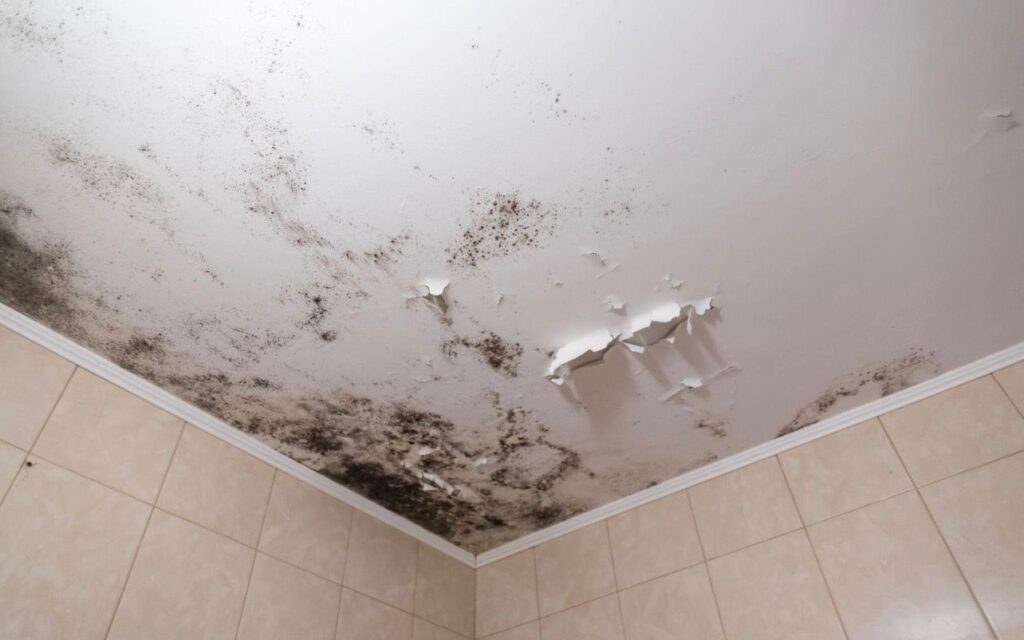
Humidity and Mold in Indian Harbour Beach: What Homeowners in Brevard County Should Know
If you live in Indian Harbour Beach, you already know humidity isn’t just a seasonal issue — it’s a constant presence. Ocean air, afternoon storms, and warm temperatures keep moisture levels elevated most of the year.
That coastal environment makes Indian Harbour Beach beautiful. But it also creates ideal conditions for mold growth inside homes.
Understanding how humidity contributes to mold — and how to control it — helps Brevard County homeowners stay ahead of potential problems.
Let’s take a practical look at what you should know.
Why Humidity Is Higher in Indian Harbour Beach
Indian Harbour Beach sits directly along the Atlantic coast. That means:
- Constant ocean moisture in the air
- Salt-laden breezes
- High overnight humidity
- Limited seasonal dry periods
- Frequent summer thunderstorms
Unlike inland areas that occasionally dry out, coastal communities like Satellite Beach and Cape Canaveral experience steady humidity pressure.
Even when it’s not raining, moisture is present in the air.
How Humidity Leads to Mold Growth
Mold needs three things:
- Moisture
- Organic material (drywall, wood, dust)
- Time
When indoor humidity rises above 60% for extended periods, surfaces begin absorbing moisture from the air.
In Indian Harbour Beach homes, this commonly affects:
- Ceiling corners
- Window frames
- Baseboards
- Closet walls
- Attic decking
- HVAC ducts
Mold doesn’t require standing water. Elevated humidity alone can create damp surfaces.
Why AC Systems Don’t Always Solve the Problem
Many homeowners assume that running the air conditioner automatically controls humidity.
While AC systems remove moisture, several local factors can reduce their effectiveness:
- Oversized AC units that cycle too quickly
- Clogged condensate drain lines
- Duct leakage in hot attics
- Poor insulation
- High outdoor humidity overwhelming the system
In tightly sealed homes in Viera or newer builds in Palm Bay, indoor air may feel cool but still carry excess moisture.
Humidity control requires more than temperature control.
Common Signs Humidity Is Causing Mold
Homeowners in Indian Harbour Beach often notice:
- Musty odors
- Mold around AC vents
- Recurring bathroom ceiling spots
- Condensation on windows
- Warped baseboards
- Mold in closets
- Damp-feeling air indoors
If odors worsen after rainy days, humidity may be climbing indoors.
In coastal properties, salt air can also accelerate material deterioration when moisture remains present.
Hidden Areas Where Humidity Creates Problems
Humidity-related mold often develops in places homeowners don’t immediately see.
Attics
Attics in Brevard County reach extreme temperatures.
When humid air enters and cools overnight, condensation forms on roof decking.
Homes in Rockledge and Merritt Island often experience attic mold tied directly to ventilation imbalance.
HVAC Systems
Cold air traveling through hot attic ductwork causes condensation on duct insulation.
Over time, moisture accumulates and mold forms.
Slab Foundations
Concrete absorbs ground moisture after heavy rain.
When combined with high indoor humidity, mold may develop under laminate or vinyl flooring.
This is common in Cocoa and Titusville homes built on slabs.
Closets and Storage Spaces
Closets lack airflow.
Humidity collects in confined areas, especially on exterior walls facing ocean breezes.
Why Surface Cleaning Isn’t Enough
If mold keeps returning after cleaning, humidity is likely still elevated.
Bleach and surface cleaners:
- Do not reduce indoor humidity
- Do not correct condensation
- Do not dry hidden materials
Painting over mold traps moisture inside walls.
In Indian Harbour Beach’s climate, moisture management is the only lasting solution.
How Professional Inspections Address Humidity
A proper mold inspection in Indian Harbour Beach focuses on identifying moisture patterns.
This may include:
- Indoor humidity measurements
- Moisture meter readings in walls and flooring
- Attic ventilation evaluation
- HVAC inspection
- Slab moisture assessment
- Air sampling if needed
Testing helps determine whether indoor mold levels are elevated compared to outdoor air.
At Brevard Mold Inspections & Removal, inspections are tailored to coastal Florida conditions.
Preventing Humidity-Related Mold
Homeowners in Indian Harbour Beach can take proactive steps to reduce risk.
Monitor Indoor Humidity
Keep levels below 60%. A simple digital hygrometer can help.
Service AC Systems Annually
Ensure condensate lines are clear and units are properly sized.
Use Dehumidifiers
During peak summer months, supplemental dehumidification can stabilize indoor air.
Ensure Proper Ventilation
Bathroom and kitchen exhaust fans should vent outdoors.
Inspect Attics
Confirm soffit vents are unobstructed and ridge vents are functional.
Check After Storms
Wind-driven rain may introduce hidden moisture.
Seal Air Leaks
Prevent humid outdoor air from entering wall cavities.
In coastal areas like Cape Canaveral and Satellite Beach, consistent humidity monitoring makes a noticeable difference.
Why Local Experience Matters
Humidity-related mold in Indian Harbour Beach differs from mold in dry inland states.
Here, we deal with:
- Ocean proximity
- Salt air corrosion
- High water tables
- Slab foundations
- Continuous AC operation
- Year-round warm temperatures
Homes in Indian Harbour Beach may have different ventilation layouts than older homes in Cocoa or newer properties in Viera.
Understanding Brevard County’s construction patterns ensures inspections focus on realistic moisture pathways.
Local knowledge prevents misdiagnosis.
A Calm, Practical Approach
Living along the coast means managing humidity thoughtfully.
If you’ve noticed musty odors, recurring mold, or elevated indoor moisture in your Indian Harbour Beach home, the first step is identifying where humidity is accumulating.
Most humidity-related mold issues are manageable when addressed early.
There’s no need for alarm — just informed action.
A structured inspection can clarify:
- Whether humidity is contributing to mold growth
- Where moisture is originating
- What preventive steps are appropriate
Brevard Mold Inspections & Removal provides experienced, locally informed evaluations tailored specifically to Brevard County’s coastal conditions.
Managing humidity is part of life in Florida. With proper airflow, AC maintenance, and moisture awareness, you can protect your home and keep it comfortable year-round.