
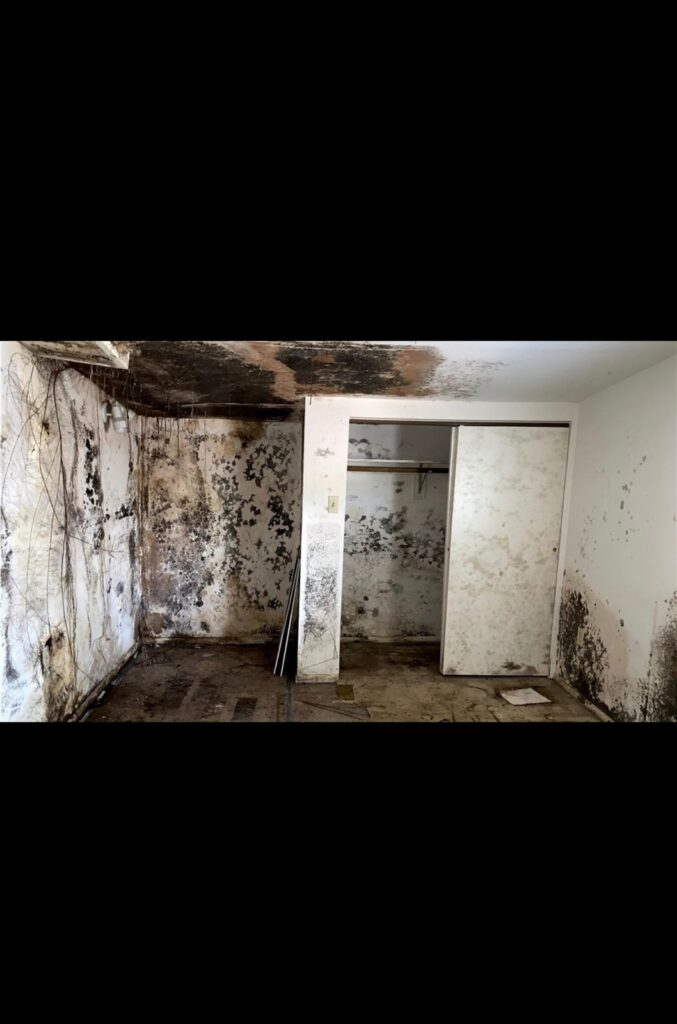
Humidity and Mold in Indian Harbour Beach: What Homeowners in Brevard County Should KnowHumidity is the primary driver of mold growth in Indian Harbour Beach and across Brevard County. Many homes develop mold without leaks or flooding simply because moisture in the air stays too high for too long. Coastal conditions, salt air, and year-round air conditioning make humidity control especially challenging—and essential—for local homeowners.This guide explains how humidity leads to mold, where problems usually start, how to recognize early warning signs, and what actually works to control moisture in Indian Harbour Beach homes.⸻Why Humidity Is a Major Issue in Indian Harbour BeachIndian Harbour Beach sits directly along Florida’s coast, where moisture levels remain high most of the year.Key contributors include: • High outdoor humidity year-round • Salt air increasing moisture absorption in materials • Warm temperatures that accelerate mold growth • Frequent rain and coastal storms • Long cooling seasons with constant AC use • Homes sealed tightly for energy efficiencyWhen humid air enters the home and moisture is not removed effectively, mold conditions develop quickly.⸻How Humidity Causes Mold Without LeaksMold does not require visible water.Humidity-driven mold develops when: • Indoor humidity stays above 60% • Moist air condenses on cooler surfaces • Walls, ceilings, and ductwork remain damp • Porous materials absorb moisture from the air • Airflow is limited in certain areasIn coastal homes, condensation can form daily on surfaces even when no plumbing or roof issues exist.⸻Indoor Humidity Levels That MatterRecommended indoor humidity: • 30–50% ideal • 50–60% caution • Above 60% high mold riskIn Indian Harbour Beach, outdoor humidity often exceeds indoor targets, meaning homes must actively remove moisture rather than rely on open windows or natural ventilation.A digital hygrometer is one of the most important tools homeowners can use.⸻Where Humidity-Related Mold Commonly AppearsHumidity-driven mold often develops in low-airflow or hidden areas.Common locations include: • Behind drywall and baseboards • Inside closets along exterior walls • Under sinks and cabinets • Bathroom ceilings • Around windows and sliding glass doors • Inside HVAC systems and ductwork • Behind furniture placed against exterior walls • Attics and crawl spacesVisible mold often appears only after hidden growth is already established.⸻Signs Humidity Is Causing Mold ProblemsVisual Clues • Condensation on windows or walls • Bubbling or peeling paint • Dark staining near baseboards • Mold returning after cleaningOdors • Persistent musty smells • Odors stronger after rain • Smells noticeable when AC runsComfort Issues • Damp or clammy indoor air • Rooms that feel sticky or heavy • AC running but humidity staying highHealth Symptoms • Sneezing or coughing indoors • Nasal congestion • Headaches • Worsening allergies or asthmaSymptoms that improve when leaving the home often point to humidity-related mold exposure.⸻Why Air Conditioning Alone Often FailsMany homeowners assume AC automatically controls humidity. In coastal homes, this is often not true.Common AC-related issues include: • Oversized systems that cool quickly but remove little moisture • Short cycling that limits dehumidification • Dirty evaporator coils • Clogged drain lines • Leaky ductwork pulling humid air inside • Systems turned off during humid weatherCooling without moisture removal allows mold conditions to persist.⸻Bathrooms and Kitchens: High-Risk AreasMoisture-producing rooms are especially vulnerable.Problems occur when: • Exhaust fans are undersized or unused • Fans vent into attics instead of outdoors • Steam lingers after showers or cooking • Doors remain closed, trapping moistureHumidity buildup in these spaces often leads to ceiling and wall mold.⸻Closets and Storage AreasClosets are one of the most common mold hotspots in Indian Harbour Beach homes.Contributing factors include: • Limited airflow • Exterior walls exposed to humid air • Furniture blocking circulation • Stored items absorbing moistureHumidity builds up quietly, allowing mold to grow unnoticed.⸻Why Cleaning Mold Does Not Solve Humidity ProblemsCleaning visible mold does not fix the cause.Common mistakes include: • Scrubbing mold without lowering humidity • Using bleach on porous materials • Painting over stains • Ignoring condensation sourcesWithout humidity control, mold almost always returns.⸻What Actually Works to Control HumidityEffective humidity control requires a combination of strategies.Proven solutions include: • Keeping indoor humidity between 30–50% • Using properly sized AC systems • Running AC consistently during humid months • Installing whole-home or portable dehumidifiers • Using bathroom and kitchen exhaust fans • Sealing air leaks around windows and doors • Improving airflow throughout the home • Maintaining HVAC systems and drain lines • Monitoring humidity dailyIn many coastal homes, dehumidifiers are essential—not optional.⸻After Storms and Power OutagesHumidity spikes after coastal storms.After outages: • Monitor indoor humidity closely • Use dehumidifiers immediately • Inspect for condensation • Address moisture quickly once power returnsDelayed response allows mold to establish rapidly.⸻Long-Term Effects of Uncontrolled HumidityChronic humidity problems can lead to: • Persistent mold growth • Structural material deterioration • HVAC contamination • Higher energy costs • Reduced indoor air quality • Increased remediation expensesHumidity control protects both the home and occupant health.⸻When Professional Help Is NeededProfessional evaluation is recommended when: • Mold keeps returning • Indoor humidity remains high despite efforts • Odors persist • HVAC systems are involved • Health symptoms appear • Hidden mold is suspectedIdentifying moisture pathways is critical for long-term solutions.⸻Final ThoughtsHumidity is the leading cause of mold in Indian Harbour Beach homes. Even without leaks or flooding, moisture in the air can quietly damage building materials and indoor air quality over time.Consistent humidity control through proper HVAC operation, dehumidification, ventilation, and monitoring is the most effective way to prevent mold in Brevard County’s coastal environment. Early action keeps small moisture issues from turning into costly mold problems.