
Humidity and Mold in Palm Bay: What Homeowners in Brevard County Should Know
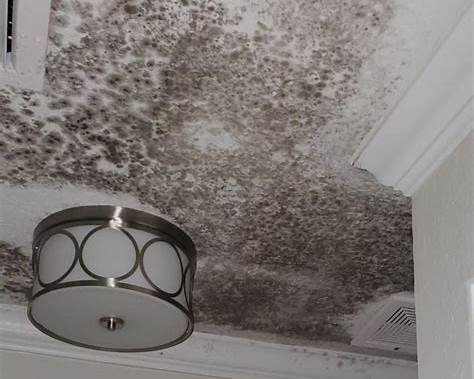
If you’ve lived in Palm Bay for even one summer, you already know the air feels heavy. Step outside in July and it’s like walking into a warm mist. That constant humidity isn’t just uncomfortable — it creates the perfect environment for mold growth inside Brevard County homes.
From Palm Bay and Melbourne to Rockledge, Viera, and Titusville, humidity is one of the biggest contributors to hidden mold problems. And unlike a burst pipe or roof leak, humidity works quietly. There’s no dramatic water stain. No obvious flooding. Just moisture lingering in the air and settling into building materials.
Understanding how humidity leads to mold — and what to do about it — can help you protect your home long before a serious issue develops.
Why Humidity Is Such a Big Deal in Palm Bay
Palm Bay sits in a humid, coastal region where average humidity levels often hover between 60% and 80% for much of the year. Even when it’s not raining, the air holds moisture.
Here’s why that matters:
- Mold needs moisture to grow.
- Florida air constantly supplies it.
- Homes stay closed up with AC running most of the year.
- Small ventilation issues quickly turn into moisture traps.
Unlike obvious water damage, humidity-related mold growth tends to appear gradually. It often develops behind furniture, inside closets, around air vents, and in attics.
In Satellite Beach and Cocoa Beach, coastal moisture adds another layer of exposure. Salt air and wind-driven rain only increase indoor humidity challenges.
How Mold Develops From Humidity Alone
Mold doesn’t always require a leak. When indoor humidity rises above about 60%, surfaces can begin absorbing moisture from the air.
Common humidity-driven mold areas in Palm Bay homes include:
- Closet corners along exterior walls
- Behind large furniture placed against walls
- Around AC vents
- Inside bathrooms without proper exhaust
- On attic roof sheathing
- Around windows
Over time, condensation forms on cooler surfaces — especially drywall and wood framing. That thin film of moisture is enough to support mold growth.
Many homeowners are surprised when mold develops in a home that has never experienced a leak.
Why Brevard County Homes Are Vulnerable
Several local factors make humidity control challenging in Brevard County:
Year-Round AC Use
Air conditioning helps remove moisture, but only if it’s sized and maintained correctly. Oversized systems can cool air quickly without properly dehumidifying it.
Slab Foundations
Homes in Palm Bay and Melbourne often sit on concrete slabs. Moisture can migrate upward, especially after extended rainfall.
Attic Heat
Attics in Titusville and Rockledge can reach extreme temperatures. Poor ventilation allows warm, humid air to condense on cooler surfaces at night.
Hurricane Season
Storm-driven rain increases indoor moisture levels. Even small envelope breaches around windows or roofs can allow humidity to enter wall cavities.
Coastal Proximity
Homes closer to the water in Cocoa Beach or Cape Canaveral experience constant exposure to salt-laden, moisture-heavy air.
Humidity isn’t seasonal here. It’s constant.
Signs Humidity Is Becoming a Mold Problem
Humidity-related mold problems often begin subtly.
Homeowners in Viera and Merritt Island frequently report:
- A persistent musty smell
- Damp-feeling air indoors
- Condensation on windows
- Dark spots on ceiling corners
- Warping baseboards
- Peeling paint
- Recurring mildew in bathrooms
Sometimes, the only noticeable change is an odor that doesn’t go away, even after cleaning.
When humidity remains elevated for extended periods, hidden mold growth becomes increasingly likely.
Hidden Places Mold Thrives Due to Humidity
Humidity-driven mold is often concealed.
It commonly forms:
Behind Drywall
Exterior walls cool faster than interior air, leading to condensation inside cavities.
Under Flooring
Laminate and vinyl plank flooring can trap moisture underneath.
Inside HVAC Systems
Air handlers and ducts in garages or attics may accumulate condensation.
In Attics
Poor ventilation allows humid air to collect under roof sheathing.
Inside Closets
Closed spaces with limited airflow are prime environments.
In many Palm Bay homes, the issue isn’t dramatic flooding — it’s slow, steady moisture accumulation.
Why DIY Solutions Often Fall Short
Running a portable dehumidifier can help temporarily, but it rarely solves the full problem if humidity levels remain high overall.
Common mistakes include:
- Cleaning visible mildew without addressing humidity
- Ignoring musty odors
- Blocking vents with furniture
- Sealing off airflow to reduce cooling costs
Bleach may remove surface staining but doesn’t fix condensation patterns or moisture imbalance.
If the root cause isn’t corrected, mold usually returns.
What a Professional Mold Inspection Involves
When homeowners suspect humidity-related mold, a structured inspection brings clarity.
At Brevard Mold Inspections & Removal, the process typically includes:
Visual Assessment
Identifying areas prone to condensation and airflow restriction.
Moisture Meter Testing
Measuring moisture inside walls, ceilings, and flooring.
Humidity Readings
Checking indoor humidity levels throughout the home.
Thermal Imaging
Detecting cooler wall areas where condensation may occur.
Mold Testing (When Needed)
Air or surface samples may be collected and analyzed by a certified lab to identify mold types and concentration levels.
Testing isn’t always necessary, but in real estate transactions or ongoing issues, it provides valuable insight.
The goal is not to alarm homeowners — it’s to determine whether a manageable moisture issue exists.
Proper Mold Remediation for Humidity-Driven Growth
If mold is present, remediation focuses on both removal and prevention.
A proper approach typically includes:
- Identifying and correcting humidity sources
- Improving ventilation
- Cleaning affected surfaces
- Removing damaged materials when necessary
- Drying structural components
- Confirming moisture levels return to normal
Containment prevents spores from spreading during cleaning.
Humidity control remains central. Without it, mold can return.
Practical Ways to Control Humidity in Palm Bay Homes
Prevention in Brevard County requires ongoing attention.
Here are realistic, Florida-specific steps:
- Keep indoor humidity between 45–55%
- Service AC systems annually
- Clean condensate drain lines
- Use bathroom exhaust fans consistently
- Avoid blocking vents
- Improve attic ventilation
- Consider whole-home dehumidification if necessary
- Inspect walls and ceilings after storms
In coastal areas like Satellite Beach and Cocoa Beach, regular exterior maintenance helps prevent moisture intrusion.
Humidity management is not a one-time fix. It’s part of homeownership in Florida.
Older vs. Newer Homes and Humidity
Both older and newer homes face humidity challenges.
Older homes in Cocoa or Titusville may have aging insulation or ventilation systems.
Newer homes in Viera and Palm Bay may be tightly sealed for energy efficiency but lack adequate airflow.
Different construction styles create different moisture patterns. Local experience matters when identifying those patterns.
Why Local Expertise Makes a Difference
Humidity-related mold in Brevard County behaves differently than mold in drier states.
Palm Bay homes deal with:
- Constant coastal moisture
- Long cooling seasons
- Slab foundations
- High attic temperatures
- Frequent storm activity
A local inspection company understands these factors.
Brevard Mold Inspections & Removal evaluates homes with Florida’s unique climate in mind. That localized perspective helps identify problems accurately and avoid unnecessary disruption.
A Calm, Practical Next Step
If your Palm Bay home feels damp, smells musty, or shows subtle signs of mold, it doesn’t mean you have a major problem.
It does mean it’s worth gathering information.
A professional inspection can:
- Measure indoor humidity
- Detect hidden moisture
- Determine whether mold growth is present
- Provide practical next steps
Sometimes the solution is simple ventilation improvement. Other times, targeted remediation prevents larger structural damage.
Either way, clarity replaces uncertainty.
Humidity is part of life in Brevard County. Managing it effectively protects your home long term.
Brevard Mold Inspections & Removal provides inspections and guidance tailored specifically to Florida homes — because understanding Palm Bay’s climate is the first step toward preventing mold from taking hold.