
Humidity and Mold in Palm Bay: What Homeowners in Brevard County Should Know
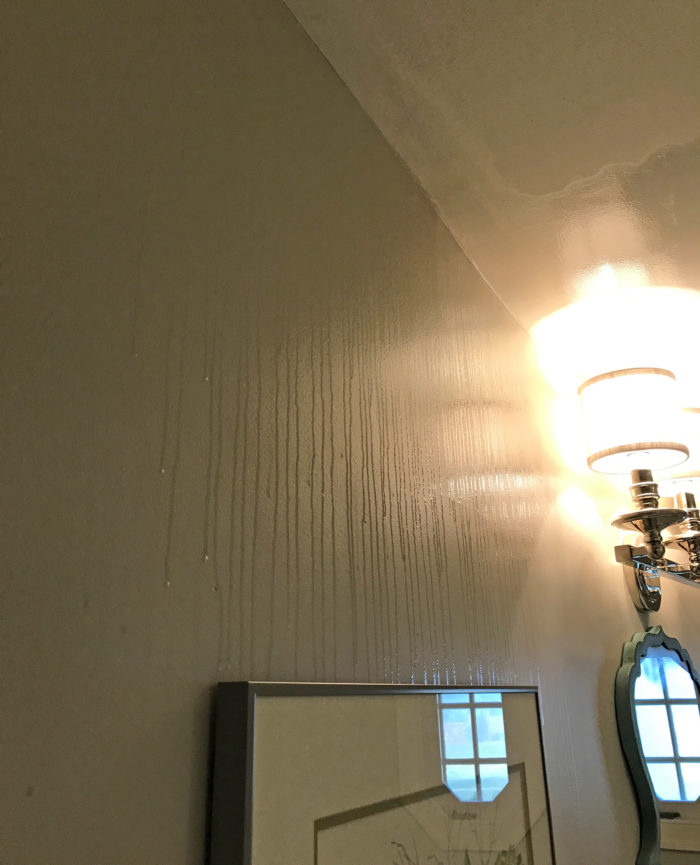
Humidity is one of the biggest reasons mold develops in Palm Bay homes. Many homeowners expect mold to appear only after a leak or flooding, but in Florida, high humidity alone can create the perfect environment for mold growth—even when everything looks dry.
I’ve inspected homes where no plumbing or roof leaks existed, yet mold developed in closets and on exterior walls simply because indoor humidity stayed high for long periods. Ever notice how some rooms feel damp even when the air conditioner is running? That’s often a humidity problem, not a leak.
Let’s look at how humidity leads to mold and what homeowners in Brevard County should know.
Why Humidity Causes Mold
Mold needs moisture, and humidity provides it in a less obvious way. When humid air contacts cooler surfaces, condensation forms. That thin layer of moisture can be enough for mold to grow.
Humidity contributes to:
- Condensation on walls and ceilings
- Damp drywall and wood
- Moisture in carpets and fabrics
Rhetorical question time: if surfaces stay slightly damp every day, how long before mold begins to grow? Usually not very long.
Moisture doesn’t need to be visible to cause problems.
Why Palm Bay Homes Are Especially Affected
Palm Bay’s climate creates ideal conditions for humidity-related mold.
Key factors include:
- Warm temperatures year-round
- Coastal moisture in the air
- Frequent rainfall
- Homes closed tightly with air conditioning running
IMO, humidity-related mold is one of the most common issues in Florida homes, even more common than leak-related mold in some cases.
Humidity often works slowly but steadily.
Where Humidity-Related Mold Appears
Humidity tends to affect areas with limited airflow first.
Common locations include:
- Closets
- Exterior walls
- Bathrooms
- Behind furniture
These areas trap moisture and dry slowly.
Ever notice how closets sometimes smell musty before other rooms? Limited airflow usually explains that.
Air movement plays a huge role in moisture control.
Early Signs of Humidity Problems
Humidity problems usually appear gradually rather than suddenly.
Watch for:
- Condensation on windows
- Musty odors
- Peeling paint
- Damp fabrics or carpets
FYI, persistent condensation often indicates humidity levels high enough to support mold growth.
These signs usually appear before mold becomes extensive.
How HVAC Systems Affect Humidity
Air conditioning helps control humidity, but systems must function properly to remove moisture effectively.
Humidity problems may occur when:
- Systems are oversized or short-cycle
- Filters are clogged
- Drain lines are blocked
Ever notice how air feels cool but still humid? That often indicates the system isn’t removing enough moisture.
Temperature and humidity are not the same thing.
The Importance of Ventilation
Ventilation helps remove humid air and replace it with drier air. Without ventilation, moisture accumulates indoors.
Ventilation is especially important in:
- Bathrooms
- Kitchens
- Laundry rooms
Running exhaust fans during and after activities that produce moisture helps reduce humidity.
Even a few extra minutes of ventilation can make a noticeable difference.
How Mold Inspection Helps Identify Humidity Issues
Inspection helps detect:
- Elevated humidity levels
- Condensation patterns
- Early mold growth
Moisture meters and humidity readings help identify areas at risk before mold spreads.
Mold testing may also help determine whether airborne mold levels are elevated when odors persist.
Inspection identifies conditions. Testing measures the air.
Together, they provide clarity.
Preventing Mold Caused by Humidity
Homeowners in Palm Bay can reduce humidity-related mold risk by:
- Keeping indoor humidity below recommended levels
- Using dehumidifiers when needed
- Running exhaust fans regularly
- Maintaining HVAC systems
These steps help keep indoor environments dry enough to prevent mold growth.
Ever notice how homes that feel dry rarely develop musty odors? Moisture control makes the biggest difference.
Why Acting Early Saves Time and Money
One consistent lesson from inspections is that early attention prevents larger problems later.
When humidity problems are corrected early:
- Mold often never develops
- Repairs remain minimal
- Indoor air quality improves
Waiting allows mold to spread into drywall and insulation, increasing both cost and repair time.
Maintenance almost always costs less than remediation.
Final Thoughts
Humidity and mold in Palm Bay homes often go hand in hand. Even without leaks, high indoor humidity can create conditions where mold develops quietly in closets, on walls, and in other low-airflow areas.
Understanding early warning signs, maintaining HVAC systems, and controlling indoor humidity helps homeowners prevent mold before it becomes a larger issue and maintain healthier indoor air year-round.