
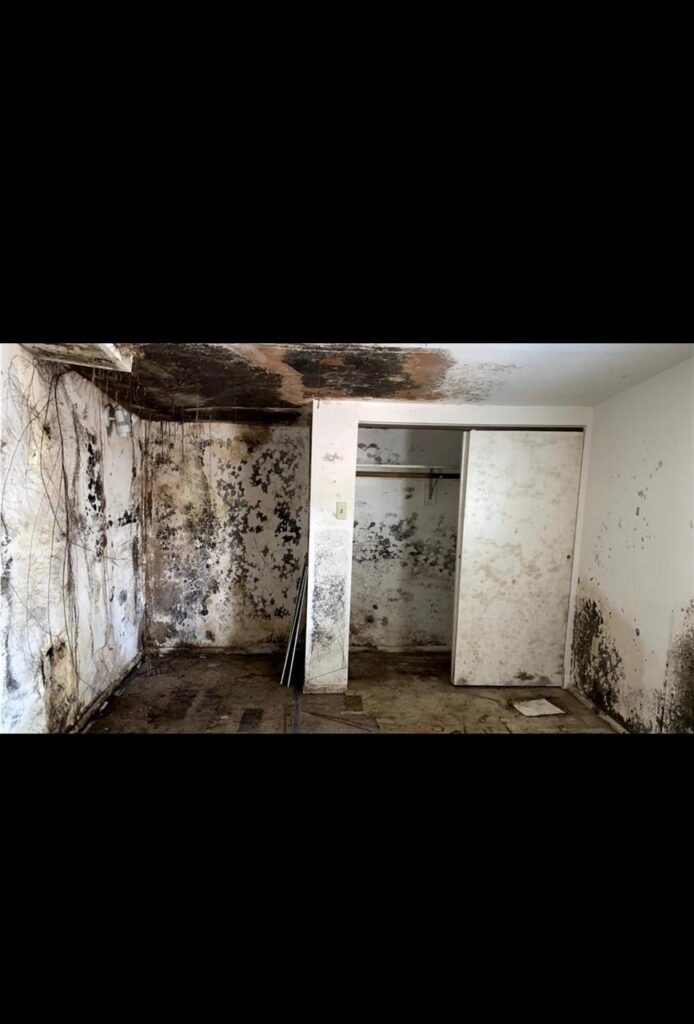
Humidity and Mold in Palm Bay: What Homeowners in Brevard County Should KnowIf you live in Palm Bay, you already know humidity isn’t just uncomfortable—it’s a way of life. What many homeowners don’t realize is that humidity alone can cause mold, even without leaks, flooding, or visible water damage.In Brevard County, mold problems often start quietly when indoor humidity stays too high for too long. By the time mold becomes visible, it’s usually been growing behind walls, inside HVAC systems, or under flooring for weeks—or months.This guide explains how humidity fuels mold in Palm Bay homes, the warning signs most people miss, and what actually works to prevent it.⸻Why Palm Bay Homes Struggle With HumidityPalm Bay’s climate creates near-perfect mold conditions for much of the year.Key local factors include: • High outdoor humidity most of the year • Frequent rain and afternoon storms • Warm temperatures that hold moisture • Heavy reliance on air conditioning • Homes sealed tightly for energy efficiencyEven when it’s not raining, Palm Bay’s air often carries more moisture than your home materials can handle.⸻How Humidity Causes Mold (Even Without Leaks)Mold doesn’t need standing water. It needs moisture in the air.When indoor humidity stays above 60%, moisture begins to settle on: • Walls and ceilings • Window frames and sills • HVAC components • Ductwork • Insulation • Flooring and subfloorsOver time, these damp surfaces become breeding grounds for mold spores that are already present in the air.This is why many Palm Bay homeowners say, “We never had a leak—how did mold get here?”⸻The Danger Zone: Ideal Humidity for MoldHere’s the breakdown homeowners should know: • Below 50% → Mold growth unlikely • 50–60% → Mold risk increases • Above 60% → Mold growth likelyMany Palm Bay homes regularly sit between 60–70% humidity, especially in summer and during rainy seasons.Without active humidity control, mold becomes a matter of when, not if.⸻Common Signs Humidity Is Feeding Mold GrowthHumidity-related mold problems often start with subtle clues.Visual Warning Signs • Condensation on windows or walls • Peeling or bubbling paint • Dark spots near ceilings or corners • Warped baseboards or flooringSmell & Air Quality Clues • Musty or damp odors • Stale indoor air • Odors that worsen when AC runsComfort & Health Clues • Home feels clammy even when cool • Increased allergies or sinus issues • Headaches or throat irritation indoorsIf these signs persist, humidity is likely already doing damage.⸻Where Humidity-Driven Mold Hides Most OftenIn Palm Bay homes, humidity-related mold commonly develops in: • Bathrooms (even without visible leaks) • HVAC systems and air handlers • Air ducts • Attics with poor ventilation • Crawl spaces • Behind drywall on exterior walls • Under flooring and carpetsThese areas trap moist air and dry slowly—perfect conditions for mold.⸻HVAC Systems: The Humidity–Mold ConnectionYour AC system should remove moisture—but it doesn’t always.Common HVAC-related humidity issues include: • Oversized AC units that cool too fast • Short cycling that prevents moisture removal • Dirty coils or clogged drain lines • Poor airflow • AC systems turned off for long periodsWhen humidity isn’t properly removed, moisture builds up inside ducts and air handlers—allowing mold to grow and spread throughout the home.⸻Why Newer Homes Aren’t ImmuneMany homeowners assume newer homes are safer from mold. In reality, newer homes can be more vulnerable.Why? • Tightly sealed construction • Less natural airflow • Greater dependence on mechanical ventilation • Higher indoor humidity if AC settings aren’t optimizedEnergy efficiency without humidity control often leads to moisture buildup.⸻Seasonal Humidity Spikes in Palm BayCertain times of year are especially risky.Summer & Rainy Season • Outdoor humidity spikes • AC runs constantly • Condensation increasesAfter Storms • Moisture intrusion • Power outages • AC downtime causing humidity surgesVacant Homes • AC turned off or set too high • No airflow • Humidity builds quicklyMold growth can begin within days during these conditions.⸻Why DIY Mold Cleaning Doesn’t Fix Humidity ProblemsScrubbing mold without fixing humidity is like bailing water without plugging the leak.Common DIY mistakes include: • Cleaning visible mold but ignoring air moisture • Using bleach on porous materials • Painting over stains • Running fans without dehumidificationAs long as humidity stays high, mold will return—often worse than before.⸻How to Measure and Monitor Humidity CorrectlyMany Palm Bay homeowners guess their humidity level—and guess wrong.Best practices: • Use digital hygrometers in multiple rooms • Check humidity during peak afternoon hours • Monitor humidity near HVAC returns and bedroomsIf readings regularly exceed 55–60%, action is needed.⸻Effective Ways to Control Humidity in Palm Bay HomesDehumidification • Standalone or whole-home dehumidifiers • Especially helpful in summer and rainy monthsHVAC Optimization • Proper system sizing • Clean coils and drain lines • Consistent operation (avoid turning AC completely off)Ventilation • Use bathroom and kitchen exhaust fans • Ensure fans vent outdoors—not into atticsMoisture Prevention • Seal air leaks • Insulate ducts • Repair window and door sealsHumidity control works best when these strategies are combined.⸻When Humidity Turns Into a Mold Inspection IssueYou should consider a professional inspection if: • Indoor humidity stays high despite efforts • Musty odors persist • Mold keeps returning • Health symptoms worsen indoors • There’s a history of moisture problemsInspections identify hidden mold and moisture sources, not just surface issues.⸻Insurance and Humidity-Related MoldMost insurance policies do not cover mold caused by long-term humidity.Common exclusions include: • High humidity • Lack of maintenance • Ongoing condensation issuesThat’s why prevention and documentation matter—once mold is classified as long-term, coverage is often denied.⸻Preventing Humidity-Driven Mold Long TermLong-term prevention focuses on consistency.Smart Habits for Palm Bay Homes • Keep humidity below 50% • Run AC consistently—even when away • Use exhaust fans properly • Address musty smells early • Inspect attics, crawl spaces, and HVAC systems annuallyHumidity control is ongoing—not a one-time fix.⸻When to Call a ProfessionalProfessional help is recommended if: • Mold spreads beyond small areas • Humidity remains high despite dehumidifiers • HVAC systems may be involved • There’s visible or hidden mold • Health concerns ariseEarly intervention prevents widespread mold and costly repairs.⸻Final Thoughts for Palm Bay HomeownersIn Palm Bay, humidity is the number one driver of mold problems. You don’t need a flood or major leak—just months of moist air trapped inside your home.The good news? Mold caused by humidity is largely preventable. With proper monitoring, consistent moisture control, and early action, you can stop mold before it ever takes hold.If something feels off—trust it. In Florida homes, humidity rarely fixes itself.Whenever you’re ready, send the next Brevard County mold article title, and I’ll handle the rest.