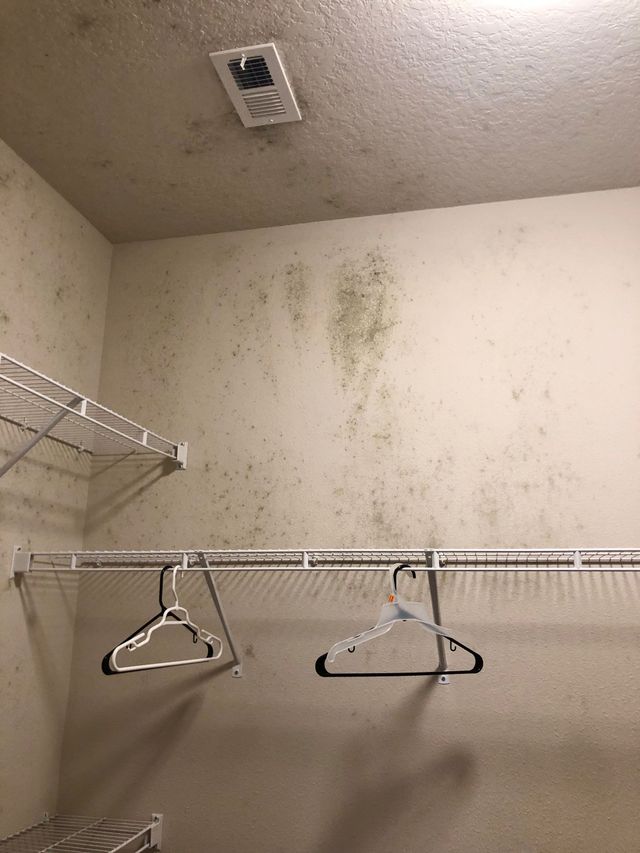
Humidity and Mold in Palm Bay: What Homeowners in Brevard County Should Know
Humidity is a constant part of life in Palm Bay. Warm temperatures, frequent rain, and long air-conditioning seasons mean moisture is almost always present in the air. While that’s normal for Florida, excess indoor humidity is one of the most common reasons mold develops in Palm Bay homes — even when there are no obvious leaks or floods.
Many homeowners are surprised to learn that mold problems often start quietly from humidity alone. Understanding how moisture behaves indoors, where mold tends to form, and how to control humidity effectively can help protect your home and prevent repeat issues.
How Humidity Leads to Mold Growth
Mold spores are naturally present in indoor and outdoor air. They only become a problem when moisture allows them to settle and grow on materials like drywall, wood, insulation, flooring, and household dust.
When indoor humidity stays elevated for long periods, these materials slowly absorb moisture. They may not feel wet to the touch, but beneath the surface they can remain damp enough to support mold growth. In Palm Bay homes, this process often happens gradually, without visible warning signs at first.
Humidity-driven mold growth is common because it doesn’t rely on a single event — it builds over time.
Why Palm Bay Homes Are Especially Affected
Palm Bay’s environment creates ideal conditions for indoor humidity problems.
Key local factors include:
- High outdoor humidity most of the year
- Heavy seasonal rain and storms
- Long AC run times that create condensation
- Slab foundations that trap moisture beneath flooring
- Warm attic temperatures that slow drying
Even homes that are well maintained can experience humidity-related mold if airflow and moisture control aren’t balanced properly.
Common Signs of High Humidity and Mold
Humidity-related mold problems don’t always begin with visible mold. Homeowners often notice changes in how their home feels before seeing growth.
Common warning signs include:
- Musty or damp odors
- Condensation on windows, vents, or walls
- Peeling or bubbling paint
- Warped baseboards or flooring
- Rooms that feel sticky, stale, or uncomfortable
Closets, bathrooms, and rooms along exterior walls are often the first areas affected.
Where Mold Commonly Develops Due to Humidity
High humidity affects the entire home, but some areas are more vulnerable.
Common problem locations include:
- Bathrooms with limited ventilation
- Closets along exterior walls
- Attics with poor airflow or insulation issues
- HVAC systems and ductwork
- Behind furniture placed tightly against walls
- Under sinks and inside cabinets
In Palm Bay homes, mold often develops where airflow is limited and moisture lingers the longest.
Hidden Moisture Problems Homeowners Overlook
One of the biggest challenges with humidity-driven mold is that moisture is often hidden. Walls, ceilings, and insulation can absorb moisture slowly without obvious stains or leaks.
Common hidden contributors include:
- Air leaks allowing humid outdoor air into wall cavities
- Poorly sealed ductwork pulling humid attic air
- AC systems that short-cycle and don’t dehumidify well
- Insulation trapping moisture instead of allowing it to dry
These conditions allow mold to grow quietly for long periods.
Why Cleaning Visible Mold Isn’t Enough
Many homeowners clean visible mold and assume the issue is solved. When humidity remains high, mold often returns — sometimes in new areas.
Surface cleaning does not:
- Reduce indoor humidity
- Remove moisture trapped inside materials
- Address airflow or ventilation problems
Without correcting humidity levels, mold growth is likely to continue regardless of how often it’s cleaned.
How Professional Mold Inspection Helps With Humidity Issues
A professional mold inspection focuses on moisture patterns, not just visible mold. This is especially important in humidity-driven cases where growth may be hidden.
A proper inspection may include:
- Visual evaluation of affected and surrounding areas
- Moisture readings inside walls, ceilings, and floors
- Inspection of attics, crawl spaces, and HVAC systems
- Evaluation of ventilation and airflow
- Air or surface sampling when appropriate
The goal is to identify where humidity is building up and how it’s affecting the home. Homeowners across Brevard County often work with Brevard Mold Inspections & Removal for calm, practical evaluations based on local conditions.
Managing Mold Caused by High Humidity
Effective mold control starts with moisture management. In Palm Bay homes, this usually means improving airflow and reducing indoor humidity rather than fixing a single leak.
A proper approach may include:
- Improving ventilation in bathrooms and kitchens
- Addressing AC condensation and drainage issues
- Sealing air leaks that allow humid air inside
- Treating or removing mold-affected materials when needed
- Implementing long-term humidity control strategies
In Florida homes, humidity management is ongoing — not a one-time fix.
Preventing Humidity-Related Mold in Palm Bay Homes
Prevention focuses on keeping indoor humidity under control year-round.
Helpful prevention steps include:
- Running exhaust fans during and after showers
- Ensuring fans vent outdoors, not into attics
- Maintaining AC systems and condensate drain lines
- Monitoring indoor humidity levels
- Keeping furniture slightly away from exterior walls
- Inspecting closets, attics, and ceilings periodically
After heavy rain or storms, checking for lingering moisture can help catch problems early.
Why Local Brevard County Experience Matters
Humidity behaves differently in Florida than in other regions. Palm Bay homes face warm temperatures, frequent rain, slab construction, and long cooling seasons that require local understanding.
Homes near waterways experience different moisture patterns than inland areas like Viera or West Melbourne. Local experience helps ensure inspections and recommendations are realistic and effective for Brevard County homes.
A Calm, Practical Next Step
If your Palm Bay home feels damp, musty, or uncomfortable — or if mold keeps returning — indoor humidity may be the underlying issue. A professional inspection can help identify where moisture is building up and what steps make sense to address it.
Brevard Mold Inspections & Removal works with homeowners throughout Palm Bay and Brevard County to provide inspections, testing, and guidance focused on long-term moisture control and home protection.
Images: Humidity and Mold in Palm Bay Homes