Humidity and Mold in Titusville: What Homeowners in Brevard County Should Know
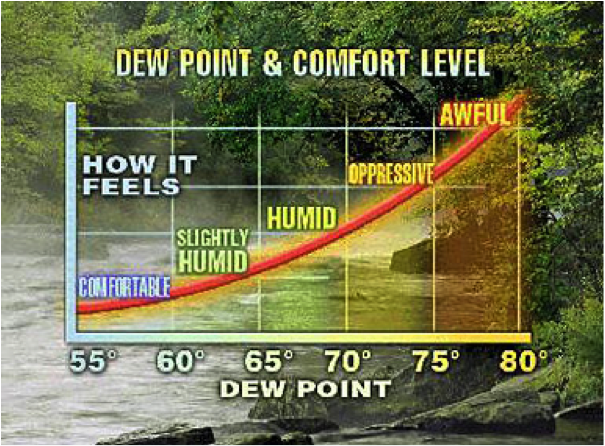
In Titusville, humidity is part of everyday life—and it’s one of the biggest reasons mold becomes a concern for homeowners. Even without leaks, flooding, or visible water damage, high indoor humidity alone can support mold growth. Many homes look clean and well cared for on the surface, yet still struggle with musty odors, recurring mold spots, or indoor air that never feels quite right.
Understanding how humidity behaves in Titusville homes, why it feeds mold so effectively, and what actually helps control it can prevent long-term problems and repeated cleanup.
Why Humidity Is So High in Titusville
Titusville sits near the Indian River Lagoon and experiences warm temperatures most of the year. Moist air is constantly present, and homes must work hard to keep that moisture out.
Local conditions that raise humidity levels include:
- Warm, moisture-rich outdoor air year-round
- Frequent rain and summer storms
- Long cooling seasons with AC running most of the year
- Slab foundations that release moisture upward
- Homes kept closed to retain cool air
Humidity isn’t just seasonal here—it’s constant.
How High Humidity Leads to Mold Growth
Mold doesn’t need standing water. It only needs materials that stay slightly damp for long periods.
High humidity can:
- Prevent walls and ceilings from fully drying
- Cause condensation on vents, ducts, and windows
- Keep wood, drywall, and insulation damp
- Create moisture behind surfaces without visible leaks
When indoor humidity stays elevated, mold can grow quietly out of sight.
Why Mold Often Appears Without a Leak
Many Titusville homeowners are surprised to find mold when no leak exists.
This happens because:
- Humid air penetrates building materials
- Cool indoor surfaces attract condensation
- Moisture accumulates slowly over time
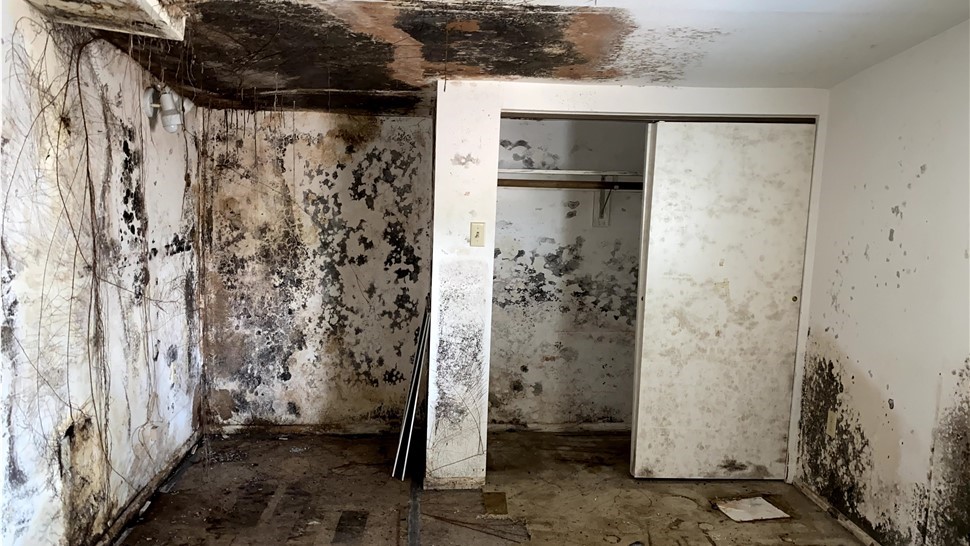
Humidity-driven mold often develops behind walls, under floors, or in attics before it becomes visible.
Areas Most Affected by Humidity-Related Mold
Some areas of the home are more vulnerable than others.
High-risk areas include:
- Bathrooms and bathroom ceilings
- Closets on exterior walls
- HVAC air handlers and vents
- Beneath laminate or vinyl flooring
- Attics during hot, humid months
- Around windows and sliding doors
These areas combine limited airflow with moisture exposure.
HVAC Systems and Humidity Control
HVAC systems are the primary tool for managing indoor humidity—but they don’t always work perfectly.
Humidity issues occur when:
- Systems short-cycle and don’t run long enough
- Condensate drain lines clog
- Coils stay damp
- Filters restrict airflow
A home can feel cool while still being humid enough to support mold.
Condensation: A Hidden Mold Trigger
Condensation is one of the most common humidity-related mold triggers in Titusville.
Condensation forms when:
- Warm, humid air meets cool surfaces
- AC vents blow cold air into humid rooms
- Ductwork lacks proper insulation
Repeated condensation keeps materials damp, even if the room appears dry.
Attics and Humidity Buildup
Attics experience extreme temperature changes that worsen humidity problems.
In Titusville attics:
- Hot air holds more moisture
- Moist indoor air rises into the attic
- Condensation forms on roof decking
- Insulation dries very slowly
Attic mold is often driven by humidity, not roof leaks.
Bathrooms and Indoor Humidity
Bathrooms add significant moisture to indoor air.
Humidity problems increase when:
- Exhaust fans aren’t used consistently
- Fans are undersized or poorly vented
- Steam lingers after showers
Bathroom humidity often affects adjacent rooms and hallways as well.
Why DIY Mold Cleaning Doesn’t Fix Humidity Problems
Cleaning visible mold doesn’t solve humidity-driven mold issues.
DIY cleanup fails because:
- Moisture remains in materials
- Humidity stays elevated
- Mold roots remain embedded
- Hidden growth continues
Without controlling humidity, mold almost always returns.
Warning Signs Humidity Is Feeding Mold
Homeowners often notice signs before seeing mold.
Common warning signs include:
- Musty or earthy odors
- Condensation on vents or windows
- Mold that keeps returning
- Air that feels heavy or damp
- Peeling paint or bubbling drywall
These symptoms usually point to moisture imbalance.
The Role of Professional Mold Inspections
A professional inspection focuses on moisture behavior, not just mold spots.
An inspection may include:
- Measuring moisture levels in walls and floors
- Evaluating HVAC performance
- Inspecting attics for condensation
- Identifying humidity traps
This helps pinpoint why humidity is staying too high.
Brevard Mold Inspections & Removal works with Titusville homeowners to identify humidity-driven mold conditions and explain practical steps for long-term control.
Mold Testing and Humidity Concerns
Mold testing isn’t always needed for humidity-related issues, but it can help when:
- Mold is suspected but not visible
- Odors persist without clear sources
- HVAC involvement is suspected
Testing works best when paired with moisture findings.
Managing Humidity to Prevent Mold
Effective humidity control focuses on consistency.
Helpful steps include:
- Keeping AC systems running consistently
- Maintaining HVAC drain lines
- Using bathroom exhaust fans properly
- Sealing air leaks that allow humid air inside
- Monitoring indoor humidity levels
Small changes can have a big impact over time.
Humidity After Storms and Power Outages
Storms and outages increase humidity risk dramatically.
After outages:
- AC systems stop removing moisture
- Indoor humidity rises quickly
- Mold can begin developing within days
Post-storm humidity checks are critical.
Newer Homes and Humidity Traps
Newer Titusville homes can still struggle with humidity.
Reasons include:
- Tighter construction
- Reduced natural airflow
- Moisture trapped indoors
Mechanical ventilation and humidity control are essential.
Why Local Titusville Experience Matters
Humidity behaves differently in Florida than in dry climates. Titusville homes face constant moisture pressure from weather, geography, and building design.
Local professionals understand:
- Where humidity commonly gets trapped
- How HVAC systems perform locally
- How storms affect indoor moisture
Local experience leads to better prevention strategies.
A Calm, Practical Takeaway for Homeowners
Humidity and mold in Titusville go hand in hand. Mold problems usually aren’t sudden or mysterious—they develop slowly when moisture stays too high for too long.
If your home feels damp, musty, or mold keeps returning, a professional inspection can provide clarity. Managing humidity effectively is the most reliable way to prevent mold, protect your home, and maintain comfort in Brevard County’s humid environment.