
Humidity and Mold in Titusville: What Homeowners in Brevard County Should Know
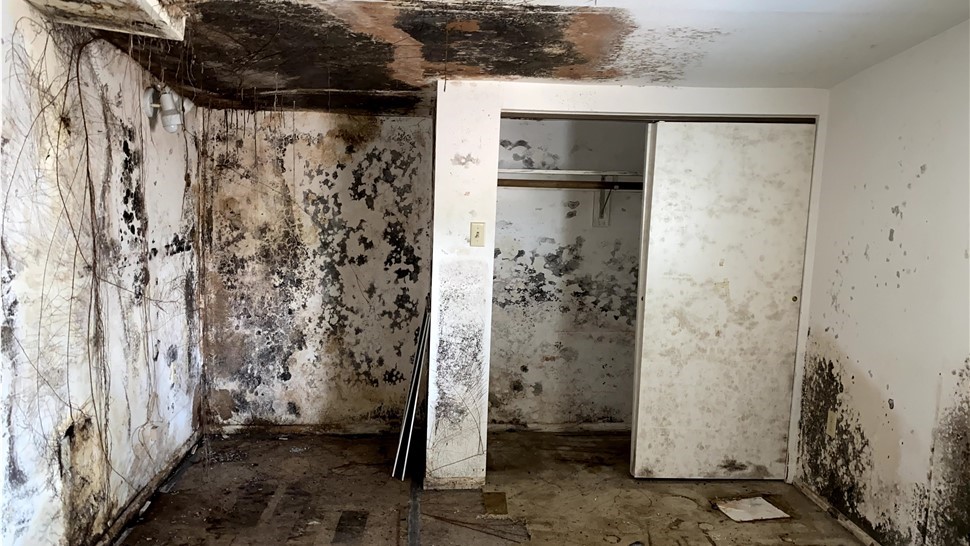
Humidity and Mold in Titusville: What Homeowners in Brevard County Should Know
If you live in Titusville, you already know that humidity isn’t just a summer issue — it’s a year-round reality. Even on cooler mornings along the Indian River, the air holds moisture. Add afternoon storms, long AC seasons, and Florida’s warm climate, and you have the perfect environment for mold growth.
Across Brevard County — from Titusville to Melbourne, Palm Bay, Rockledge, Viera, Merritt Island, Cocoa, Satellite Beach, Cocoa Beach, and Cape Canaveral — humidity is the single biggest factor behind most mold problems.
The important thing to understand is this:
Mold doesn’t appear randomly. It follows moisture.
Let’s walk through how humidity affects homes in Titusville, what signs to watch for, and how to stay ahead of problems.
Why Titusville Homes Struggle With Humidity
Titusville sits near the water, surrounded by wetlands and open green space. That means naturally high ambient moisture levels.
Several local factors contribute to indoor humidity issues:
1. High Outdoor Humidity
Outdoor humidity often exceeds 70% in Brevard County. When doors open, windows leak, or ventilation systems pull in outside air, moisture enters the home.
2. Heavy Rain and Storm Season
Summer storms and hurricane systems bring extended wet periods. Even small roof vulnerabilities can introduce moisture into attics or wall cavities.
3. Long AC Seasons
Homes in Titusville rely heavily on air conditioning. AC systems remove humidity — but only when functioning properly. Oversized units, clogged drain lines, or short cycling systems often leave moisture behind.
4. Slab Construction
Many Titusville homes are built on slab foundations. Moisture from plumbing leaks or minor flooding can become trapped beneath flooring.
Humidity isn’t dramatic — it’s persistent. That persistence is what creates mold risk.
How Humidity Leads to Mold Growth
Mold needs three things:
- Moisture
- Organic material (drywall, wood, dust)
- Time
Florida homes provide plenty of organic material. When indoor humidity consistently rises above 60%, mold can begin developing on surfaces that stay damp.
Unlike major flooding, humidity-related mold develops slowly.
It often starts in:
- Attics
- Behind baseboards
- Inside AC closets
- Around windows
- Under laminate flooring
- In bathrooms with poor ventilation
By the time you notice a musty odor, moisture has usually been present for a while.
Common Signs of Humidity-Related Mold in Titusville
Most homeowners don’t see mold immediately. They notice subtle clues first.
Watch for:
- Musty or earthy smells
- Condensation on windows
- Peeling paint near ceilings
- Warped baseboards
- Dark spotting in attic spaces
- AC running constantly but house still feels damp
- Rust forming on attic nails
In Titusville and Rockledge inspections, attic sheathing staining from trapped humidity is one of the most common findings.
Odor is often the first warning sign.
Attics: The Hidden Humidity Trap
Attics in Titusville can become extremely hot. When humid air rises and ventilation is insufficient, condensation forms on roof sheathing.
This often results in:
- Dark spotting on wood
- Damp insulation
- Compressed or matted insulation
- Elevated attic moisture levels
Poor soffit ventilation or blocked vents frequently contribute.
Because attic spaces are rarely visited, mold growth can go unnoticed for long periods.
HVAC Systems and Humidity Imbalance
Air conditioning plays a central role in humidity control.
When AC systems are:
- Oversized
- Short cycling
- Poorly maintained
- Operating with clogged drain lines
… they cool the home without removing enough moisture.
Homes in Palm Bay, Viera, and Titusville commonly experience indoor humidity above 60% when systems are unbalanced.
Ductwork located in hot attics may also sweat if insulation is damaged.
HVAC maintenance is critical in Florida.
Why DIY Fixes Often Miss the Real Issue
It’s common for homeowners to try:
- Running portable dehumidifiers
- Spraying bleach on visible spots
- Installing small attic fans
- Painting over staining
While these steps may improve appearance temporarily, they rarely solve the root cause.
Bleach does not penetrate porous materials effectively. Painting over mold does not remove it. Dehumidifiers help, but if ventilation or AC issues remain, humidity returns.
The focus should always be on identifying why moisture is present.
How Professional Inspections Address Humidity Problems
At Brevard Mold Inspections & Removal, humidity-related mold inspections are structured and methodical.
We begin with:
Visual Assessment
Checking attics, HVAC systems, ceilings, baseboards, and areas with past moisture.
Moisture Mapping
Using calibrated moisture meters to identify elevated readings inside walls, framing, and flooring.
Humidity Measurement
Indoor relative humidity is measured. Ideally, levels should stay between 45% and 55%.
Ventilation Evaluation
We assess attic airflow, soffit vents, ridge vents, and bathroom exhaust routing.
Air Sampling (If Indicated)
If mold is suspected but not visible, indoor and outdoor air samples may be compared to determine if indoor levels are elevated.
The goal is clarity — not alarm.
Preventing Humidity-Related Mold in Titusville
Prevention focuses on moisture control.
Homeowners in Titusville and across Brevard County can reduce risk by:
- Keeping indoor humidity between 45–55%
- Scheduling annual AC maintenance
- Flushing condensate drain lines
- Inspecting attic ventilation
- Running bathroom exhaust fans during and after showers
- Addressing roof leaks promptly
- Monitoring for musty odors
Small adjustments make a significant difference over time.
Humidity management is ongoing in Florida.
Why Local Experience Matters
Humidity behaves differently in Titusville than in dry inland climates.
Brevard County homes face:
- Coastal humidity
- Hurricane-driven rain
- Slab construction
- High attic heat loads
- AC-heavy airflow patterns
Homes near Merritt Island may experience different wind exposure than inland Titusville properties.
Understanding how local construction styles respond to moisture helps identify problems early.
Brevard Mold Inspections & Removal has worked throughout Titusville and surrounding communities. Recognizing Florida-specific humidity patterns allows for more accurate diagnosis and practical solutions.
A Calm, Practical Next Step
If your Titusville home feels persistently humid, smells musty, or shows subtle signs of moisture buildup, it’s worth having it evaluated.
Most humidity-related mold issues in Brevard County are manageable when addressed early.
A professional inspection can determine:
- Whether humidity levels are elevated
- Whether mold growth is present
- Where moisture is coming from
- What corrective steps make sense
If you’d like experienced local guidance tailored to Titusville’s climate and construction styles, Brevard Mold Inspections & Removal is here to help — calmly, clearly, and without pressure.
In Florida homes, controlling humidity is the foundation of mold prevention.