
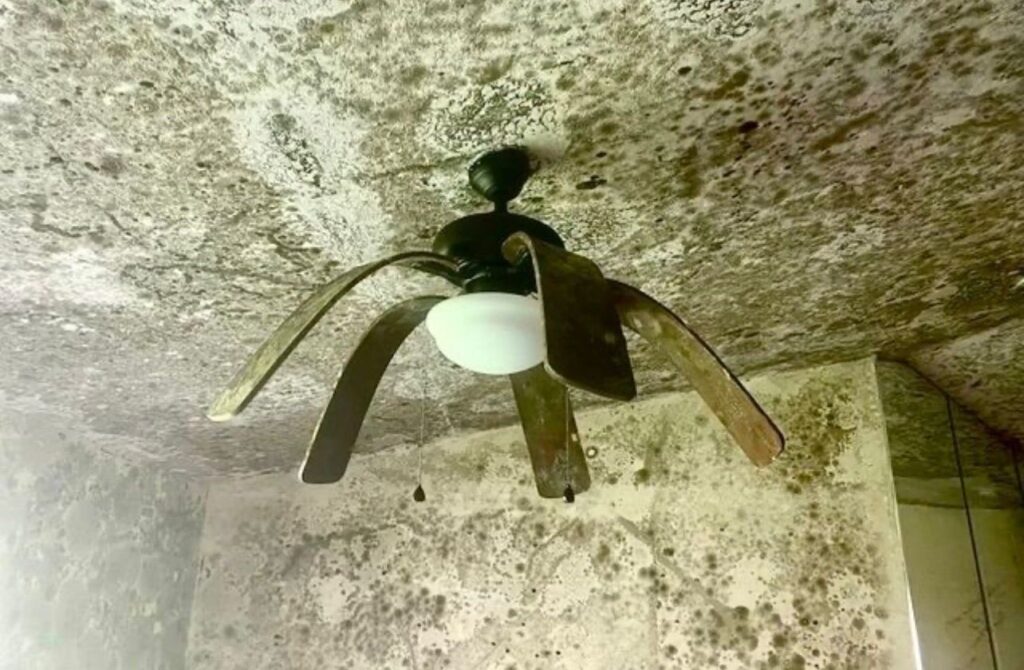
Humidity and Mold in Titusville: What Homeowners in Brevard County Should Know
Humidity and Mold in Titusville: What Homeowners in Brevard County Should KnowHumidity is one of the biggest drivers of mold growth in Titusville homes. With warm temperatures, frequent rain, and long periods of high moisture in the air, indoor humidity can easily climb into the danger zone—often without homeowners realizing it. When that happens, mold doesn’t need a flood or major leak to take hold. Humidity alone is enough.Understanding how humidity fuels mold growth is key to preventing long-term damage and protecting indoor air quality.⸻Why Titusville Homes Are Prone to High HumidityTitusville’s location and climate create persistent moisture challenges.Common contributors include: • Florida’s naturally high outdoor humidity • Frequent rain and storm systems • Homes kept closed tightly for AC efficiency • Warm air meeting cool AC surfaces • Poor ventilation in bathrooms and laundry areasEven homes without leaks can develop mold if indoor humidity stays elevated.⸻How Humidity Leads to Mold GrowthMold only needs moisture, warmth, and organic material to grow—and homes provide plenty of all three.When indoor humidity rises: • Moisture settles on walls, ceilings, and windows • Condensation forms on AC ducts and vents • Porous materials like drywall and wood absorb moisture • Hidden spaces stay damp for long periodsOnce indoor humidity stays above 60%, mold can begin growing quietly out of sight.⸻Common Areas Affected by Humidity-Related MoldHumidity-driven mold often appears in areas with limited airflow.High-risk areas include: • Bathrooms and showers • Closets and storage rooms • Around AC vents and ductwork • Attics with poor ventilation • Behind furniture placed against exterior wallsBecause these areas aren’t checked often, mold may spread before it’s noticed.⸻Signs High Humidity Is Causing MoldHumidity-related mold problems don’t always start with visible growth.Warning signs include: • Musty or damp odors • Condensation on windows or vents • Peeling paint or bubbling drywall • Mold returning after repeated cleaning • Allergy or respiratory symptoms indoorsIf symptoms improve when you leave the house, humidity-related mold may be affecting air quality.⸻Health Effects Linked to Humidity and MoldProlonged exposure to mold fueled by high humidity may contribute to: • Sneezing, coughing, or congestion • Worsened asthma or allergy symptoms • Eye, nose, or throat irritation • Headaches and fatigueChildren, seniors, and people with respiratory conditions are especially sensitive.⸻Why Dehumidification Is Critical in TitusvilleAir conditioning alone doesn’t always control humidity effectively—especially during mild but humid weather.Effective humidity control may require: • Whole-home or portable dehumidifiers • Proper AC sizing and maintenance • Continuous fan operation for air circulation • Improved ventilation in moisture-prone roomsThe goal is to keep indoor humidity below 55% consistently.⸻Why DIY Mold Cleaning Won’t Solve Humidity ProblemsWiping down mold without fixing humidity allows it to return quickly.Common DIY shortcomings: • Moisture remains in walls and ceilings • Mold spores stay airborne • Hidden mold continues growing • The root cause is never addressedWithout humidity control, mold prevention isn’t possible.⸻How Professionals Address Humidity-Driven MoldProfessional mold inspections and remediation focus on moisture first.The process often includes: • Measuring indoor humidity levels • Identifying condensation and airflow issues • Locating hidden mold growth • Recommending dehumidification solutions • Addressing ventilation and AC performanceThis approach prevents recurring mold—not just surface cleanup.⸻Preventing Humidity-Related Mold in Titusville HomesProactive steps make a major difference.Helpful prevention tips: • Keep indoor humidity below 55% • Use dehumidifiers during humid months • Run exhaust fans during and after showers • Maintain HVAC systems regularly • Seal air leaks that allow humid air inside • Monitor humidity with a hygrometer⸻Final ThoughtsHumidity and mold in Titusville go hand in hand. In Florida’s climate, mold doesn’t always need a leak—high humidity alone can be enough to create a serious problem.By controlling indoor moisture, improving airflow, and addressing issues early, homeowners can significantly reduce mold risk, protect indoor air quality, and avoid costly repairs down the road.If you’d like, I can continue with more Titusville or Brevard County mold-related topics using this same structure and image style.