
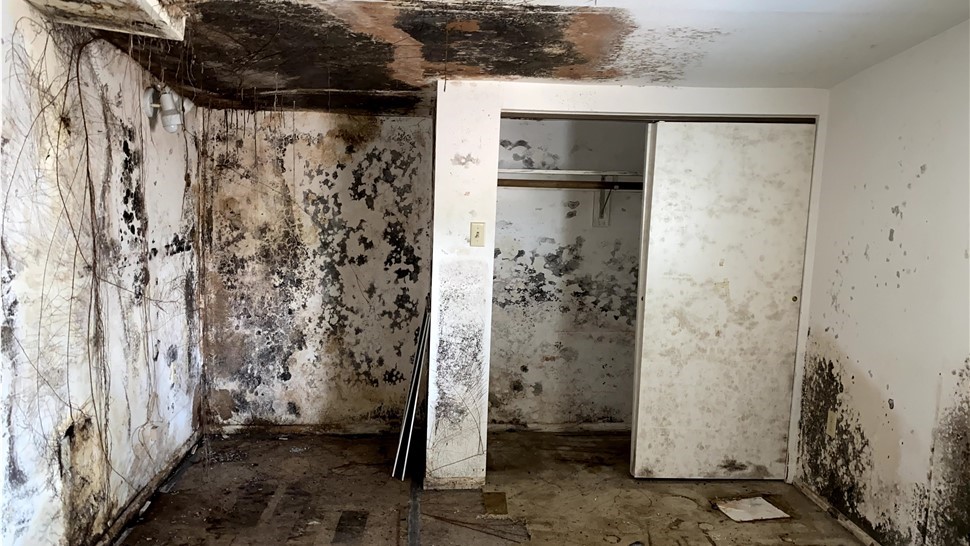
Humidity and Mold in Titusville: What Homeowners in Brevard County Should Know
For homeowners in Titusville, humidity is part of everyday life. You feel it when you step outside, when your AC runs nonstop, and sometimes when your home just feels damp even though it’s clean. What many homeowners don’t realize is that humidity alone—without leaks or flooding—can be enough to cause mold.
In Brevard County, mold problems are often slow and subtle. They don’t start with dramatic water damage. They start with air that stays moist for too long. Understanding how humidity behaves in Titusville homes is the key to preventing mold and knowing when a small issue is turning into a bigger one.
How Humidity Leads to Mold Growth
Mold doesn’t need standing water. It needs moisture and time.
When indoor humidity stays elevated, moisture settles on cooler surfaces like walls, ceilings, vents, and ductwork. Over time, those surfaces absorb moisture. Once materials stay damp long enough, mold can begin to grow.
In Titusville, this process is common because warm, humid outdoor air constantly interacts with cooled indoor spaces. Even homes that look dry on the surface can be holding moisture inside walls or above ceilings.
Why Titusville Homes Are Especially Affected
Brevard County has one of the most humidity-heavy climates in the country, and Titusville is no exception.
Several local factors work together:
- High outdoor humidity most of the year
- Frequent rain and storm systems
- Long cooling seasons with constant AC use
- Slab foundations that trap moisture
- Attics exposed to intense heat
Air conditioning cools the air, but it doesn’t always remove enough moisture—especially if systems are oversized, poorly maintained, or dealing with constant humidity load.
Common Signs Humidity Is Causing Mold Issues
Humidity-related mold often shows up indirectly before you see obvious growth.
Homeowners in Titusville commonly notice:
- A musty or stale smell that lingers
- Mold that keeps returning after cleaning
- Condensation on vents or windows
- Peeling paint or bubbling drywall
- Mold forming in corners or on ceilings
- Rooms that feel clammy even when cool
These signs usually mean moisture is lingering longer than it should.
Where Humidity-Driven Mold Commonly Appears
Humidity affects certain areas more than others.
Bathrooms are a frequent problem area. Steam from showers raises humidity quickly, and if exhaust fans are weak or underused, moisture settles on ceilings and walls.
Attics are another major location. Warm, humid air rises from living spaces and condenses on cooler roof decking and framing, often without any roof leak.
HVAC systems are also highly vulnerable. Condensation forms naturally inside air handlers and ductwork. If drainage is restricted or insulation is damaged, moisture can accumulate and support mold growth.
Closets, corners, and rooms with limited airflow are also common mold spots because humid air gets trapped.
Why Mold Can Appear Without Any Leaks
One of the most confusing things for homeowners is mold with no obvious water source.
In Titusville homes, mold often forms simply because:
- Indoor humidity stays elevated
- Airflow is limited
- Materials never fully dry
No broken pipe. No roof leak. Just moisture hanging around long enough to do damage.
This is why humidity control is often more important than leak detection alone.
The Role of Air Conditioning in Humidity Control
Air conditioning plays a huge role in managing indoor humidity—but only when it’s working correctly.
Oversized AC systems cool air quickly and shut off before removing enough moisture. Dirty coils, clogged drain lines, or poor airflow can also reduce dehumidification.
When AC systems struggle with humidity, homeowners often turn the thermostat lower. This makes the house colder, but not drier—and condensation problems can actually get worse.
Proper system performance matters more than temperature settings.
Why Mold Keeps Coming Back in Humid Homes
Recurring mold is a classic humidity problem.
Cleaning removes visible mold, but it doesn’t change the moisture conditions that allowed it to grow. In a humid environment like Titusville, mold will return if:
- Indoor humidity remains high
- Ventilation is inadequate
- AC systems aren’t removing moisture properly
Bleach and household cleaners don’t solve this problem. They don’t penetrate porous materials and often add moisture to already damp areas.
Without humidity control, cleaning becomes a cycle.
Hidden Mold Caused by Humidity
Some of the most significant mold growth caused by humidity is hidden.
In Titusville homes, mold often grows:
- Behind drywall
- Above ceilings
- Inside HVAC systems
- Under flooring on slab foundations
Because humidity-driven moisture is widespread and slow, mold can become established in these areas long before homeowners see any surface signs.
This is why musty odors or recurring issues shouldn’t be ignored.
How Professional Inspections Identify Humidity Problems
A professional mold inspection focuses on moisture patterns, not just visible mold.
Inspections typically include:
- Visual assessment of mold-prone areas
- Moisture meter readings in walls and ceilings
- Evaluation of HVAC systems and ventilation
- Attic and airflow assessment
Thermal imaging and moisture detection tools help identify damp materials that look dry on the surface.
When appropriate, air or surface samples may be collected for documentation, but moisture findings guide solutions.
Local professionals such as Brevard Mold Inspections & Removal focus on explaining how humidity is affecting the home rather than alarming homeowners with labels.
Practical Ways to Control Humidity in Titusville Homes
Humidity control doesn’t require extreme measures, but it does require consistency.
Helpful steps include:
- Maintaining HVAC systems regularly
- Keeping condensate drain lines clear
- Using bathroom exhaust fans during and after showers
- Ensuring fans vent outdoors, not into attics
- Keeping interior doors open to improve airflow
- Monitoring indoor humidity levels
After storms, attics and ceilings should be checked for signs of condensation or dampness.
Attics and Humidity: A Common Overlooked Issue
Many homeowners focus on living spaces and forget the attic.
Humidity-driven attic mold is extremely common in Titusville. Warm, moist air rises and condenses on roof decking if ventilation is inadequate or air leaks allow indoor air into the attic.
Bathroom fans vented into attics worsen the problem dramatically.
Addressing attic airflow and sealing air leaks often reduces whole-home humidity issues.
Why Dehumidifiers Are Only Part of the Solution
Portable dehumidifiers can help in specific areas, but they are not a cure-all.
If moisture is entering from HVAC issues, attic condensation, or air leaks, a dehumidifier may mask the problem without fixing it.
Humidity control works best when the source of moisture is identified and corrected, not just managed symptom by symptom.
Why Local Experience Matters in Titusville
Humidity behaves differently depending on climate and construction.
Titusville homes face Florida humidity, slab foundations, frequent storms, and long cooling seasons. Local experience helps professionals understand where moisture builds up and why mold behaves the way it does here.
Generic advice from drier climates often falls short.
A Practical Takeaway for Titusville Homeowners
Humidity is the quiet driver behind most mold problems in Titusville.
Mold doesn’t require leaks or flooding—just moisture that doesn’t dry. Musty odors, recurring mold, or clammy indoor air are signs that humidity needs attention.
If you’re unsure whether humidity is affecting your home, a professional inspection can provide clear answers. With proper moisture control and local expertise, homeowners can prevent humidity-driven mold before it becomes a long-term problem.