
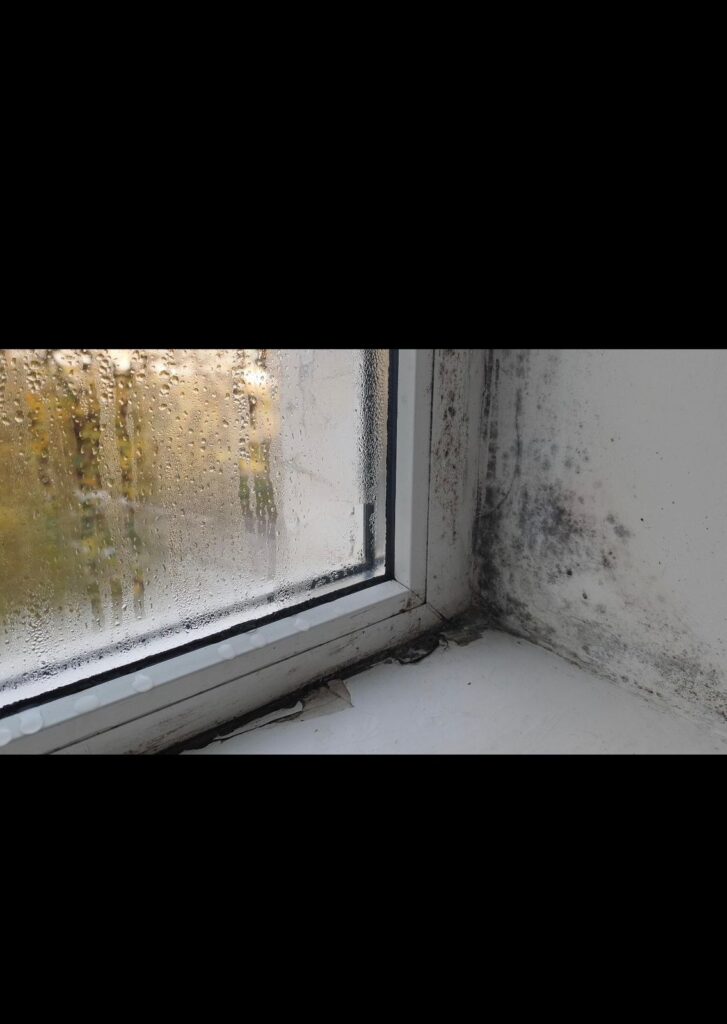
Humidity and Mold in Titusville: What Homeowners in Brevard County Should KnowIf you live in Titusville, you already know the drill: warm weather, sticky air, afternoon storms, and humidity that seems to hang around year-round. While that climate is great for palm trees and backyard barbecues, it’s also perfect for mold growth.Humidity is one of the biggest reasons mold problems keep showing up in Brevard County homes — even in houses that look clean, dry, and well maintained. The tricky part? Mold often starts quietly, behind walls or inside HVAC systems, long before you ever see it.This guide breaks down how humidity causes mold, why Titusville homes are especially vulnerable, what signs to watch for, and how homeowners can prevent small moisture issues from turning into expensive mold problems.⸻Why Humidity Is Such a Big Problem in Titusville HomesTitusville sits near the Indian River Lagoon, with warm temperatures and high moisture levels most of the year. That combination creates ideal conditions for mold to grow indoors.Here’s why humidity is such a persistent issue locally: • Average humidity often stays above 60% • Frequent summer storms and heavy rainfall • Warm air meeting cool indoor AC surfaces • Older homes with limited vapor barriers • Long cooling seasons with constant AC useMold doesn’t need a flood or major leak to grow. Consistent high humidity alone is enough.Once indoor humidity climbs above about 55–60%, mold spores can settle and begin growing on drywall, wood, insulation, furniture, and even clothing.⸻How Humidity Turns Into Mold (Without a Leak)Many homeowners assume mold only comes from water damage. In reality, humidity causes mold through condensation.Here’s how it happens: • Warm, moist outdoor air enters the home • Air conditioning cools the air quickly • Moisture condenses on cooler surfaces • Surfaces stay damp for long periods • Mold begins growing within 48–72 hoursCommon condensation spots include: • Windows and sliding glass doors • AC vents and ductwork • Walls behind furniture • Closets with little airflow • Attics and crawl spacesBecause this moisture is subtle, it often goes unnoticed until mold becomes visible or odors develop.⸻Areas in Titusville Homes Most Affected by Humidity MoldBathroomsBathrooms are ground zero for moisture. Without strong exhaust fans, steam from showers raises humidity quickly, allowing mold to grow on ceilings, grout, and behind walls.ClosetsClosets on exterior walls or near bathrooms often trap warm, moist air. Mold may grow on drywall, shoes, bags, and clothing before homeowners realize there’s a problem.HVAC SystemsAir handlers, ductwork, and drip pans create ideal conditions for mold if condensation isn’t draining properly. Mold in HVAC systems can spread spores throughout the entire house.AtticsHot attic air meets cooler roof decking, creating condensation — especially in poorly ventilated attics. Mold growth in attics is common in Titusville homes.Behind WallsHumidity seeps through drywall, especially in older homes. Mold can grow inside wall cavities long before it shows on the surface.⸻Warning Signs of Humidity-Related Mold ProblemsHumidity mold doesn’t always announce itself loudly. Watch for these early red flags: • Persistent musty or earthy odors • Condensation on windows or AC vents • Peeling paint or bubbling drywall • Dark spotting on ceilings or walls • Worsening allergies or asthma indoors • Moldy smell when AC turns on • Clothes or fabrics smelling dampIf symptoms improve when you leave the house, indoor air quality — often impacted by mold — may be the cause.⸻Is Mold From Humidity Dangerous?Not all mold is classified as “toxic,” but all indoor mold should be taken seriously.Potential health effects include: • Nasal congestion and sneezing • Coughing and throat irritation • Headaches and fatigue • Skin irritation • Asthma flare-ups • Increased symptoms in children, elderly adults, and petsHumidity-driven mold often spreads slowly but steadily, meaning long-term exposure is a real concern if it goes unaddressed.⸻Can You Prevent Mold in a Humid Climate Like Titusville?Yes — but prevention requires consistent moisture control, not just occasional cleaning.Control Indoor Humidity • Keep indoor humidity between 45–55% • Use dehumidifiers in problem areas • Monitor humidity with a digital hygrometerImprove Airflow • Run bathroom exhaust fans during and after showers • Keep interior doors open when possible • Avoid blocking AC vents with furnitureMaintain Your HVAC System • Replace filters regularly • Clean AC drain lines • Ensure drip pans are draining properly • Schedule periodic system inspectionsAddress Condensation • Insulate ductwork in unconditioned spaces • Wipe window condensation regularly • Seal gaps around windows and doorsWatch Storage Areas • Avoid storing items directly against exterior walls • Use moisture-absorbing products in closets • Don’t pack closets too tightly⸻DIY Cleaning vs. Professional Mold HelpSmall humidity-related mold spots can sometimes be handled by homeowners — but only under the right conditions.DIY May Be OK If: • Mold area is smaller than 10 square feet • Mold is on non-porous surfaces • You know and fixed the moisture source • Mold hasn’t returned beforeCall a Professional If: • Mold keeps coming back • You smell mold but can’t find it • Mold is inside walls or HVAC systems • Multiple rooms are affected • Health symptoms are presentHumidity mold often returns if the underlying moisture issue isn’t properly corrected.⸻Does Homeowners Insurance Cover Humidity Mold?In most cases, insurance does not cover mold caused by long-term humidity.Coverage may apply if: • Mold resulted from a sudden, covered event (like a burst pipe) • The damage was reported promptlyCoverage is usually denied when: • Mold results from poor ventilation or maintenance • Humidity problems existed over time • Preventive steps weren’t takenAlways review your policy carefully and document issues early.⸻Why Mold Keeps Coming Back in Some Titusville HomesIf mold returns after cleaning, humidity control is almost always the missing piece.Common reasons include: • Dehumidifiers not sized properly • AC systems short-cycling • Poor attic ventilation • Hidden condensation inside walls • Leaky ductwork pulling in humid airProfessional inspections focus not just on removing mold, but on finding where moisture is entering and staying.⸻Final Thoughts for Titusville HomeownersHumidity is a fact of life in Titusville — but mold doesn’t have to be.The most important takeaways: • Mold can grow without visible water damage • High humidity alone is enough to cause mold • Early signs are often subtle • Controlling moisture is more effective than repeated cleaning • Professional help may be needed when mold is hidden or recurringStaying proactive with humidity control, ventilation, and routine inspections can save Titusville homeowners from costly repairs and long-term indoor air quality problems.If you suspect humidity-related mold in your home, acting early makes all the difference.