
Humidity and Mold in Titusville: What Homeowners in Brevard County Should
Know
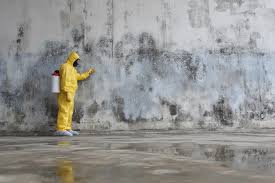
Titusville homeowners enjoy beautiful river views, warm weather, and easy access to the Space Coast. But along with those benefits comes one constant challenge: humidity. In Brevard County, high moisture levels in the air are simply part of daily life, and when indoor humidity rises too much, mold often follows.
Many homeowners are surprised to learn that mold problems don’t always come from floods or plumbing leaks. In many Titusville homes, mold grows simply because indoor air stays too humid for too long.
Across Titusville, Cocoa, Merritt Island, Rockledge, Melbourne, Palm Bay, Viera, Satellite Beach, and Cape Canaveral, mold inspections frequently reveal problems caused not by sudden water damage, but by long-term humidity buildup. Understanding how humidity contributes to mold helps homeowners prevent problems before repairs become necessary.
How Humidity Leads to Mold Growth Indoors
Mold spores naturally exist in outdoor air throughout Florida. They enter homes constantly through doors, windows, and ventilation systems. Normally, spores don’t cause problems indoors unless moisture allows them to grow.
Mold needs only three things:
• Moisture
• Warm temperatures
• Organic material like drywall, wood, or dust
Florida already provides warm temperatures, so moisture becomes the deciding factor.
When indoor humidity remains high, moisture settles on walls, ceilings, floors, and furniture. Even when surfaces don’t look wet, they can remain damp enough for mold to develop.
In many homes, mold growth begins quietly in corners, closets, or behind furniture where airflow is limited.
Why Humidity Is a Bigger Issue in Brevard County
Homes across Brevard County face environmental conditions that naturally increase indoor moisture levels.
Coastal Climate Influence
Titusville sits along the Indian River Lagoon, and coastal air carries moisture year-round. Even cooler months often remain humid.
Frequent Rain and Storm Systems
Storms and summer rains keep outdoor humidity elevated for long periods.
Hurricanes and Tropical Systems
Storm systems bring prolonged moisture exposure, even when flooding does not occur.
Heavy Air Conditioning Usage
AC systems remove humidity, but when equipment struggles or maintenance is neglected, moisture remains indoors.
Slab Foundation Construction
Moisture beneath homes can migrate upward, increasing indoor humidity.
Even newer homes in Viera or Palm Bay experience humidity problems if ventilation and moisture control are not maintained properly.
Signs Humidity Is Becoming a Mold Risk
Homeowners often notice changes before mold becomes visible.
Common warning signs include:
• Musty odors inside the home
• Condensation on windows or vents
• Rooms feeling damp or sticky
• Peeling paint or bubbling drywall
• Warped baseboards or flooring
• Damp closets or storage areas
• Mold appearing in corners or ceilings
Sometimes homeowners simply feel uncomfortable indoors, even when temperatures seem normal.
If humidity remains high, mold growth often follows.
Hidden Areas Mold Commonly Develops Due to Humidity
Humidity-driven mold frequently grows in areas homeowners rarely inspect.
Closets and Storage Rooms
Limited airflow allows moisture to linger.
Behind Furniture
Walls behind large furniture pieces often remain damp.
Attics
Warm, moist air rising from living spaces may condense on attic surfaces.
HVAC Systems
Condensation inside air handlers or ducts can spread mold spores.
Bathrooms Without Proper Ventilation
Steam from showers adds moisture to surrounding rooms.
Professional inspections often reveal mold growth in areas homeowners never suspected.
Why Ignoring Humidity Leads to Bigger Problems
Some homeowners assume humidity discomfort is simply part of Florida living. However, prolonged indoor moisture can cause ongoing damage.
Ignoring humidity problems can lead to:
• Mold growth behind walls
• Insulation contamination
• Persistent indoor odors
• Increased cooling costs
• Flooring or drywall deterioration
• Higher repair expenses later
Addressing humidity early helps prevent mold from spreading.
Why DIY Humidity Fixes Often Fall Short
Homeowners sometimes try small adjustments that don’t fully solve humidity problems.
Common DIY mistakes include:
• Running fans without removing moisture
• Leaving windows open during humid weather
• Using portable AC units without proper drainage
• Ignoring clogged AC drain lines
• Cleaning mold without correcting humidity
Fans move air but don’t remove moisture. If humidity remains high, mold often returns even after cleaning.
Proper moisture control requires consistent airflow and functioning AC systems.
How Professional Mold Inspection Helps
Professional inspections help determine whether humidity has already allowed mold growth inside a home.
A professional inspection may include:
Visual Assessment
Inspectors check moisture-prone areas, including attics, closets, HVAC systems, and walls.
Moisture Detection
Specialized tools identify hidden moisture behind surfaces.
Ventilation Evaluation
Inspectors check airflow and humidity control systems.
Air or Surface Sampling (If Needed)
Testing may help determine whether mold levels are elevated indoors.
Companies like Brevard Mold Inspections & Removal regularly inspect Titusville homes where humidity-related mold concerns arise.
How Mold Remediation Solves Humidity-Related Problems
If mold contamination spreads, remediation may be needed alongside moisture correction.
Professional remediation typically includes:
Containment Setup
Affected areas are sealed to prevent spores from spreading.
Air Filtration
HEPA filtration equipment captures airborne particles.
Removal of Damaged Materials
Contaminated drywall or insulation may be removed.
Cleaning Structural Components
Remaining materials are cleaned safely.
Humidity Correction
Ventilation or AC issues are addressed.
Final Cleaning
Remaining spores and debris are removed.
Proper remediation prevents mold from returning quickly.
Practical Steps to Control Humidity in Titusville Homes
Preventing mold begins with humidity control.
Helpful steps include:
• Maintain AC systems annually
• Clean condensate drain lines regularly
• Use dehumidifiers when humidity rises
• Run bathroom and kitchen exhaust fans
• Keep interior doors open for airflow
• Avoid drying clothes indoors
• Repair leaks immediately
• Monitor indoor humidity below 60%
Simple maintenance habits greatly reduce mold risks.
Why Local Experience Matters
Humidity problems in Florida homes behave differently than in drier regions. Local professionals understand how moisture affects construction styles throughout Brevard County.
Homes across Titusville, Cocoa, Merritt Island, Melbourne, Palm Bay, Rockledge, Satellite Beach, Viera, and surrounding communities commonly face:
• Coastal humidity exposure
• Hurricane-related moisture intrusion
• Slab foundation moisture influence
• Attic heat and condensation buildup
• AC condensation challenges
Local experience helps professionals quickly identify humidity problems and recommend effective solutions.
Brevard Mold Inspections & Removal works throughout Brevard County helping homeowners identify humidity and mold risks before repairs become extensive.
A Calm Next Step for Titusville Homeowners
If your home feels humid, smells musty, or shows signs of mold growth, a professional inspection can help determine whether moisture is affecting your home.
Most humidity-related mold concerns remain manageable when discovered early. Proper moisture control restores indoor comfort and helps prevent future problems.
Professional guidance helps homeowners understand what may be happening inside the home and what steps may be needed next.
Addressing humidity early protects both your home and long-term comfort in Brevard County’s coastal climate.