
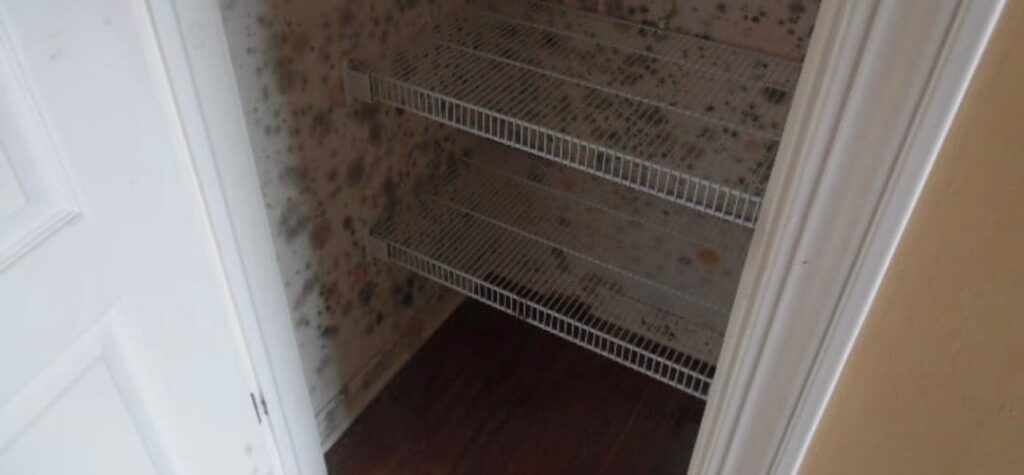
Humidity and Mold in Titusville: What Homeowners in Brevard County Should Know
If you live in Titusville, you already know humidity is part of everyday life. Mornings feel damp. Afternoons bring pop-up storms. Even on clear days, the air feels heavy.
What many homeowners don’t realize is how that constant humidity quietly affects their homes.
In Brevard County, mold isn’t just a result of major water damage. It often develops simply because indoor humidity stays elevated for long periods. And in Titusville — with its proximity to the Indian River Lagoon and low-lying coastal terrain — moisture levels remain consistently high.
Let’s break down how humidity leads to mold, what signs to watch for, and what homeowners in Titusville and surrounding areas like Mims, Cocoa, and Merritt Island should know.
What Humidity-Related Mold Really Means
Mold doesn’t need standing water to grow.
It needs:
- Moisture
- Organic material (drywall, wood, dust)
- Time
High humidity alone can supply enough moisture for mold to develop on:
- Drywall
- Ceiling corners
- Window frames
- HVAC vents
- Closet walls
- Under sinks
- Inside cabinets
- Attic wood framing
In Titusville homes, mold often appears without a dramatic leak or flood. It develops because indoor humidity stays above recommended levels for extended periods.
When humidity remains above 60%, surfaces begin absorbing moisture from the air. Over time, that creates the perfect environment for mold.
Why Humidity Is So High in Titusville
Several local factors contribute to persistent moisture.
Proximity to Water
Titusville sits along the Indian River Lagoon. Large bodies of water naturally increase ambient humidity.
Even homes further inland toward West Titusville still experience high moisture levels because of Florida’s coastal climate.
Summer Rainfall
Afternoon thunderstorms are common throughout Brevard County. When storms pass through Titusville or nearby Rockledge, humidity spikes dramatically.
Even if rain doesn’t enter your home, humidity levels indoors can rise quickly.
Warm Temperatures Year-Round
Unlike northern climates that experience long dry winters, Brevard County stays warm most of the year.
Warm air holds more moisture. That means mold growth can occur year-round.
Constant AC Operation
Homes in Titusville rely heavily on air conditioning.
While AC removes moisture from the air, temperature differences between cooled interior air and humid exterior air create condensation.
Cold surfaces — like supply vents and ductwork — can accumulate moisture if airflow isn’t balanced.
Slab Foundations and Ground Moisture
Many homes in Titusville and Palm Bay sit on slab foundations.
Concrete is porous. When soil becomes saturated after heavy rain, moisture can migrate upward into flooring systems.
This increases overall indoor humidity.
Common Signs of Humidity-Driven Mold
Because humidity-related mold often develops slowly, the signs can be subtle.
Homeowners in Titusville commonly notice:
- Musty odors in closets or bedrooms
- Dark spots near ceiling corners
- Mold forming repeatedly around AC vents
- Condensation on windows
- Warping or swelling baseboards
- Mold under bathroom sinks
- Recurring bathroom ceiling staining
In some homes, the first sign is simply that the air feels damp even when the AC runs constantly.
If indoor air feels sticky, humidity may be too high.
Hidden Areas Most Affected by High Humidity
Humidity-related mold doesn’t just appear on visible walls.
In Brevard County homes, we frequently find hidden mold in:
Attics
Hot attic air mixed with trapped humidity causes condensation on roof decking and insulation.
This is especially common in Titusville homes with inadequate ventilation.
Behind Exterior Walls
When humid air enters wall cavities and meets cooler interior drywall, condensation forms.
Over time, insulation and framing become damp.
Inside HVAC Systems
Air handlers and ductwork can accumulate moisture, especially if drain lines are partially clogged.
Mold inside HVAC systems can spread spores throughout the home.
Under Flooring
Slab moisture combined with high indoor humidity may lead to mold beneath laminate or vinyl flooring.
Closets and Storage Areas
Closets often lack airflow. High humidity collects in these confined spaces.
We frequently see mold along closet baseboards in homes across Cocoa and Viera.
Why DIY Solutions Often Don’t Solve the Problem
When homeowners see mold spots, they often clean the area and assume the issue is resolved.
But humidity-driven mold isn’t just about surface staining.
Spraying bleach:
- Does not lower humidity
- Does not address condensation
- Does not dry hidden materials
Painting over mold traps moisture inside walls.
If indoor humidity remains elevated, mold returns.
The key is controlling moisture — not just cleaning visible growth.
How Professional Mold Inspection Addresses Humidity Issues
When evaluating humidity-related mold in Titusville homes, the process focuses on identifying moisture patterns.
At Brevard Mold Inspections & Removal, inspections typically include:
Visual Assessment
Examining ceilings, vents, closets, baseboards, and attic spaces.
Moisture Detection
Using professional moisture meters to measure levels in drywall, subfloors, and framing.
Humidity Monitoring
Assessing indoor humidity levels and identifying areas where air circulation is insufficient.
Attic and HVAC Evaluation
Checking ventilation balance and inspecting ductwork for condensation.
Air or Surface Sampling (If Needed)
In cases where mold isn’t visible but odors persist, sampling can help determine indoor mold levels.
Testing isn’t always required, but it can provide clarity when the source isn’t obvious.
Proper Mold Remediation in High-Humidity Homes
When mold is confirmed, remediation involves more than cleaning.
Effective remediation includes:
- Containment of affected areas
- Safe removal of contaminated materials if necessary
- Cleaning structural surfaces
- HEPA filtration
- Drying and dehumidification
- Correcting airflow and ventilation issues
Without humidity control, mold will return.
In Florida homes, moisture management is the foundation of long-term success.
How to Reduce Humidity and Prevent Mold in Titusville
Homeowners in Brevard County can take practical steps to manage moisture.
Here are effective strategies:
- Keep indoor humidity below 60%
- Use dehumidifiers during peak summer months
- Ensure bathroom and kitchen fans vent outdoors
- Service AC systems annually
- Flush AC drain lines regularly
- Inspect attic ventilation
- Use moisture barriers under flooring
- Open closet doors occasionally to improve airflow
- After heavy rain, monitor indoor humidity levels
In waterfront-adjacent areas like Merritt Island and Titusville, extra attention to humidity control during summer makes a significant difference.
Why Local Experience in Brevard County Matters
Humidity-driven mold in Titusville behaves differently than mold in dry inland climates.
Here, we deal with:
- Coastal air moisture
- High water tables
- Afternoon thunderstorms
- Continuous AC operation
- Slab construction
- Attic heat buildup
Understanding how these factors interact allows inspections to focus on real causes instead of symptoms.
Homes in Titusville differ from newer builds in Viera or waterfront properties in Cape Canaveral. Each construction style responds differently to humidity.
Local experience ensures accurate evaluation and practical solutions tailored to Brevard County homes.
A Calm, Practical Next Step
If you’ve noticed persistent humidity, musty odors, or recurring mold spots in your Titusville home, it’s worth having moisture levels evaluated.
Most humidity-related mold issues are manageable when addressed early.
There’s no need for alarm — but there is value in understanding what’s happening inside your home.
A professional inspection can clarify whether humidity is creating hidden moisture risks and what adjustments may help stabilize your indoor environment.
If you’d like a thorough evaluation, Brevard Mold Inspections & Removal provides experienced, local assessments designed specifically for Brevard County’s climate.
Managing humidity is part of living in Florida. With the right approach, you can keep your home dry, comfortable, and protected year-round.