
Humidity and Mold in Titusville: What Homeowners in Brevard County Should Know
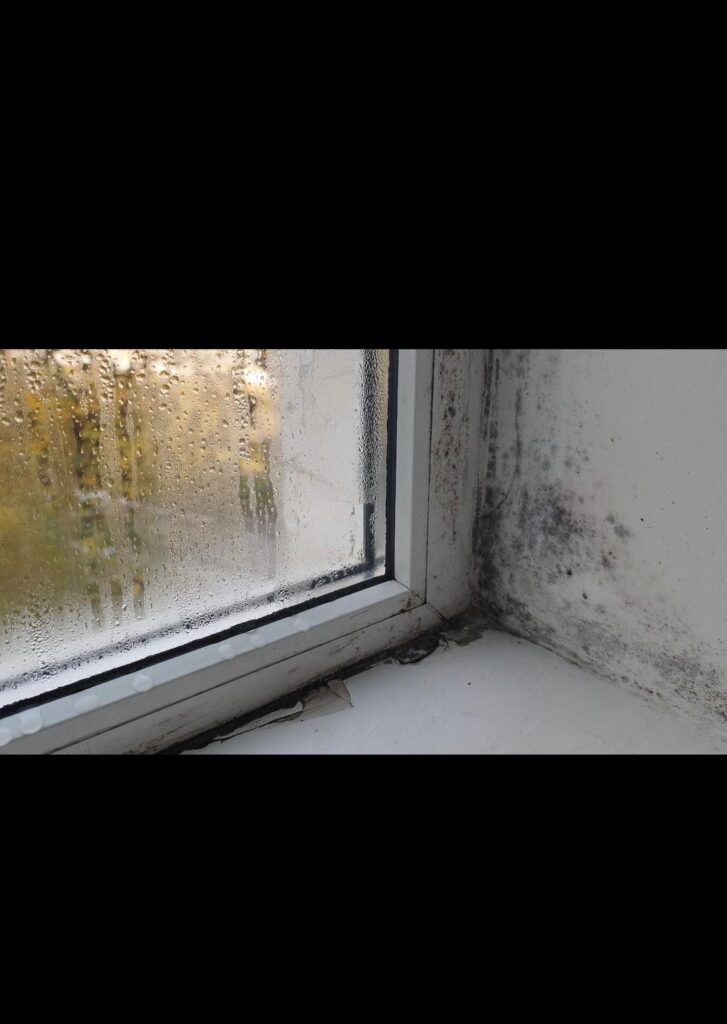
Humidity and Mold in Titusville: What Homeowners in Brevard County Should KnowHumidity is the number one driver of mold growth in homes across Titusville and Brevard County. Even without flooding or visible leaks, consistently high indoor humidity can allow mold to grow quietly behind walls, inside HVAC systems, and in other hidden areas. In Florida’s warm climate, managing humidity isn’t optional—it’s essential for protecting both indoor air quality and the structure of your home.This guide explains how humidity leads to mold, why Titusville homes are especially vulnerable, and what homeowners can do to reduce risk.⸻Why Humidity Is a Serious Mold Risk in TitusvilleTitusville experiences long periods of high outdoor humidity, especially during warmer months and storm seasons.Local factors that increase indoor humidity include: • Warm temperatures most of the year • Frequent rain and tropical weather • AC systems running almost constantly • Homes closed up tightly for energy efficiency • Moist coastal air entering through small gaps • Power outages after stormsWhen humid air enters a home and cools, moisture condenses on surfaces—creating ideal mold conditions.⸻How Humidity Causes Mold Without LeaksMany homeowners assume mold requires a leak. In reality, humidity alone is enough.Mold forms when: • Indoor humidity stays above 60% • Warm, moist air meets cooler surfaces • Condensation forms on walls, ceilings, ducts, or windows • Materials remain damp for extended periodsIn these conditions, mold can begin growing within 24–48 hours, even without visible water damage.⸻Common High-Humidity Mold LocationsHumidity-driven mold often appears in areas with limited airflow or temperature differences.Typical problem areas include: • Bathrooms and shower ceilings • Closets on exterior walls • Behind furniture placed against walls • Inside HVAC systems and ductwork • AC closets and air handlers • Attics with ventilation issues • Crawl spaces • Around windows and sliding glass doorsThese areas may stay damp even when the rest of the home feels dry.⸻Signs Humidity Is Too High in Your HomeMoisture and Comfort Clues • Sticky or clammy indoor air • Condensation on windows or vents • Fogged mirrors that take a long time to clear • Damp smells after rain • AC running often but home still feels humidMold Warning Signs • Musty or earthy odors • Dark spots on walls or ceilings • Mold returning after cleaning • Allergy symptoms worsening indoorsThese signs often appear before visible mold growth becomes obvious.⸻The Role of HVAC Systems in Humidity ControlYour HVAC system is the primary tool for removing moisture from indoor air.Humidity problems often occur when: • The AC system is oversized and short-cycles • Drain lines are clogged or slow • Evaporator coils are dirty • Ductwork leaks pull in humid air • The system is turned off for long periods • Filters restrict airflowA system that cools but does not dehumidify effectively increases mold risk.⸻Indoor Humidity Levels That Promote MoldRecommended indoor humidity: • 30–50% ideal • Above 60% = high mold riskIn Titusville, outdoor humidity frequently exceeds safe indoor levels, making active humidity control necessary year-round.Using a hygrometer is the easiest way to track indoor humidity accurately.⸻Why Newer Homes Can Still Have Humidity ProblemsNewer construction does not eliminate mold risk.In fact, newer homes often: • Are more airtight • Trap moisture more easily • Rely heavily on HVAC systems for airflow • Have fewer natural air leaksWithout proper ventilation and dehumidification, humidity can build up quickly.⸻Health Effects of Humidity-Driven MoldProlonged exposure to mold caused by high humidity may lead to: • Sneezing or coughing • Nasal congestion or sinus irritation • Eye or throat irritation • Headaches • Fatigue • Worsening asthma or allergiesSymptoms that improve when leaving the home often indicate indoor air quality issues.⸻Why DIY Dehumidification Is Sometimes Not EnoughPortable dehumidifiers help, but they’re not always sufficient.Limitations include: • Treating only one room • Not addressing hidden moisture • Ignoring airflow and ventilation problems • Not correcting HVAC issues • Inconsistent useWhole-home solutions and system adjustments are often needed in humid climates.⸻Preventing Mold by Controlling HumidityEffective humidity control strategies include: • Keeping indoor humidity between 30–50% • Running AC consistently during humid weather • Using whole-home or supplemental dehumidifiers • Keeping bathroom and kitchen exhaust fans functional • Venting fans outdoors, not into attics • Sealing air leaks around doors, windows, and ducts • Maintaining HVAC drain lines and coils • Avoiding shutting off AC for extended periods • Monitoring humidity regularlyHumidity control must be continuous, not occasional.⸻After Storms and Power OutagesHumidity spikes after storms increase mold risk.After outages: • Restore AC and dehumidification quickly • Use portable dehumidifiers immediately • Inspect for condensation and damp areas • Monitor humidity closely for several daysDelayed drying often leads to hidden mold growth.⸻When High Humidity Has Already Caused MoldProfessional evaluation is recommended when: • Mold odors persist • Mold keeps returning • Hidden areas are suspected • HVAC systems show signs of contamination • Health symptoms appear indoors • Humidity remains high despite effortsAt this stage, remediation may be needed before prevention can be effective again.⸻Long-Term Benefits of Humidity ControlConsistent humidity management provides: • Reduced mold risk • Better indoor air quality • Improved comfort • Lower allergy and respiratory symptoms • Protection of drywall, wood, and insulation • Reduced need for costly remediationHumidity control is one of the best long-term investments homeowners can make.⸻Final ThoughtsHumidity is the silent force behind many mold problems in Titusville and throughout Brevard County. Even without leaks or flooding, high indoor moisture can quietly damage homes and impact health.Monitoring humidity, maintaining HVAC systems, and responding quickly to moisture changes help prevent mold before it starts and protect both indoor air quality and long-term property value in Florida’s humid environment.