
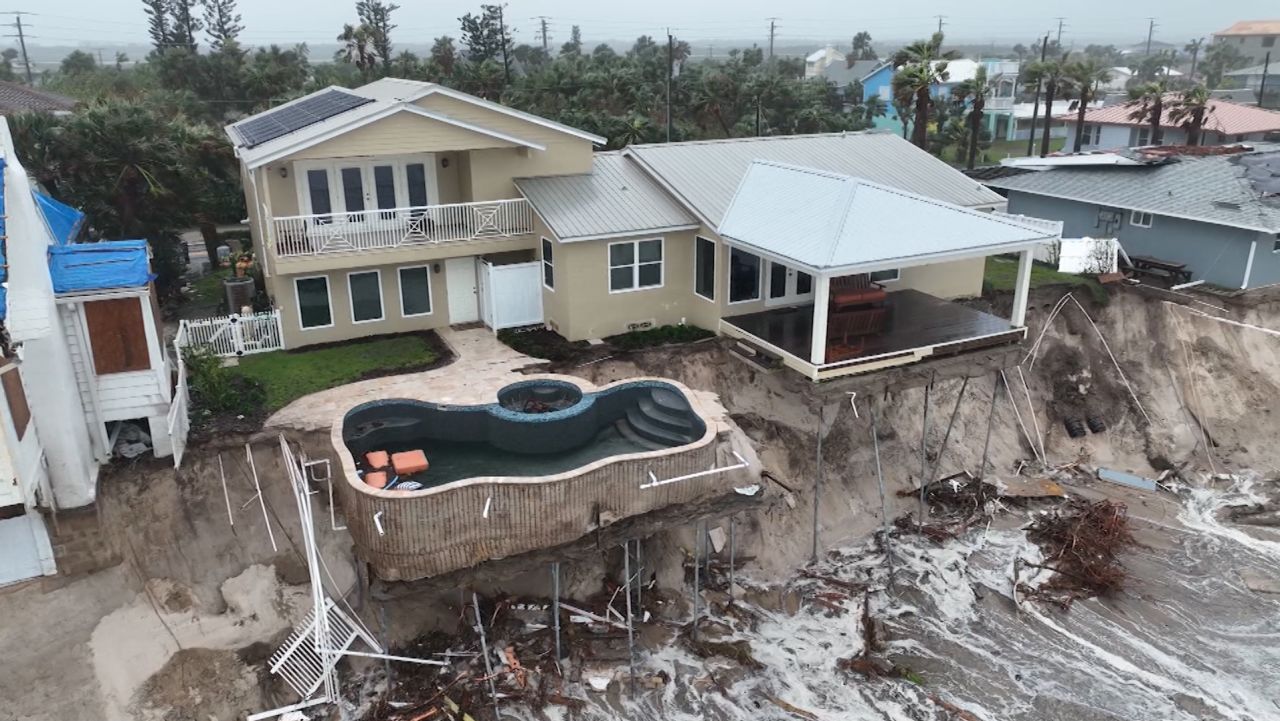
Mold After Hurricanes in Banana River: What Merritt Island Property Owners Should Know
Hurricane season is a reality for property owners living along Banana River and throughout Merritt Island. While residents prepare for wind damage, storm surge, and flooding, one of the most common and costly problems often appears after the storm passes — mold.
In many homes across Banana River communities, mold begins growing quietly within days after a hurricane. By the time homeowners notice it, contamination may already be hiding behind walls, under flooring, or inside HVAC systems.
Because Merritt Island is surrounded by waterways and exposed to coastal humidity year-round, homes here face higher mold risks than many inland Florida communities. Understanding how mold develops after hurricanes helps property owners respond quickly and prevent long-term property damage.
Let’s walk through what typically happens after storms and how homeowners can protect their properties.
How Hurricanes Lead to Mold Problems
When hurricanes move through Brevard County, homes experience more than just rain and wind.
Hurricane-related moisture enters homes through:
- Roof leaks and damaged shingles
- Broken windows or door seals
- Flooding or storm surge
- Wind-driven rain entering wall cavities
- Backed-up drainage systems
- Saturated ground moisture entering foundations
Even if flooding inside the home seems minimal, water often seeps into insulation, drywall, wood framing, and flooring materials.
Once moisture becomes trapped inside building materials, mold growth begins quickly. In Florida’s warm climate, mold can start forming within 24 to 48 hours after water intrusion.
Many Banana River homeowners clean visible water damage, but hidden moisture continues feeding mold behind surfaces.
Why Mold After Hurricanes Is So Common in Banana River
Homes around Banana River face several environmental conditions that make mold growth after hurricanes especially common.
Coastal Humidity Never Fully Disappears
Humidity levels remain high even after storms pass. Materials inside homes dry slowly, allowing mold to thrive.
Storm Surge and Flood Risk
Waterfront properties are more vulnerable to flooding or water intrusion during strong storms.
High Water Table
Saturated soil around Merritt Island keeps foundations and crawl spaces damp longer after storms.
Air Conditioning Moisture
AC systems often run constantly after storms, creating condensation that adds to already elevated moisture levels.
Older Construction in Some Areas
Homes built decades ago sometimes lack modern moisture barriers or ventilation, increasing post-storm mold risk.
Because these conditions repeat each hurricane season, mold issues are common throughout North Merritt Island, South Merritt Island, and waterfront neighborhoods.
Signs Mold Is Developing After a Hurricane
Sometimes mold appears quickly on visible surfaces. Other times, the warning signs are subtle.
Common post-hurricane mold signs include:
- Persistent musty or damp odors
- Discoloration on walls or ceilings
- Peeling paint or bubbling drywall
- Warped flooring or baseboards
- Increased indoor humidity feeling
- Worsening allergy-like symptoms indoors
Many Banana River homeowners first notice odor changes before seeing mold growth.
If your home experienced roof leaks, flooding, or water intrusion during a hurricane, mold should always be considered a possibility.
Hidden Mold Sources After Storm Damage
One challenge after hurricanes is that mold often grows in areas homeowners rarely inspect.
Behind Drywall
Rainwater entering walls saturates insulation and framing, allowing mold to grow unseen.
Under Flooring
Moisture trapped beneath tile, laminate, or wood flooring becomes a breeding ground for mold.
Attics
Roof damage or wind-driven rain frequently allows moisture into attic spaces.
Crawl Spaces
Flooding or ground moisture easily saturates crawl spaces under homes.
HVAC Systems
Air handlers, ducts, and vents can collect moisture and distribute mold spores throughout the home.
Even homes that appear dry weeks after storms may still harbor hidden mold growth.
Why DIY Mold Cleanup Often Doesn’t Work
After hurricanes, homeowners understandably try to clean up quickly. However, DIY cleanup frequently misses the real problem.
Common mistakes include:
Cleaning Only What You See
Surface mold removal doesn’t address contamination behind materials.
Using Bleach Alone
Bleach may remove stains but doesn’t penetrate porous materials deeply enough.
Leaving Damp Materials in Place
Wet drywall and insulation often need removal rather than drying.
Skipping Moisture Detection
Without professional tools, hidden damp areas remain unnoticed.
Spreading Mold Spores
Improper cleaning can spread spores to new areas.
These issues often cause mold to return weeks or months later.
Professional Mold Inspection After Hurricanes
A proper inspection focuses on finding both visible and hidden moisture and mold.
A professional inspection usually includes:
Visual Examination
Inspecting areas affected by storm damage or leaks.
Moisture Detection Tools
Meters and thermal cameras locate trapped moisture.
Air and Surface Sampling
Testing confirms mold presence when necessary.
Damage Mapping
Inspectors determine how far contamination has spread.
Results are explained clearly so homeowners understand the issue without technical confusion.
This process helps target remediation properly instead of guessing.
Proper Mold Removal and Remediation Steps
Professional remediation focuses on both removal and prevention.
Typical remediation includes:
Containment Setup
Preventing mold spores from spreading during cleanup.
Removal of Damaged Materials
Contaminated drywall, insulation, or flooring are safely removed.
Detailed Cleaning
Remaining surfaces are professionally cleaned and treated.
Drying and Dehumidification
Equipment ensures complete moisture removal.
Addressing Water Entry Sources
Repairs or improvements reduce future water intrusion risks.
Prevention Guidance
Homeowners receive advice to prevent repeat problems.
The goal is not just mold removal but preventing future growth.
Preventing Mold After Future Hurricanes
Banana River homeowners can reduce mold risk with proactive steps after storms.
Recommended actions include:
- Inspecting homes quickly after hurricanes
- Using professional drying services after flooding
- Checking roofs and attic spaces for leaks
- Cleaning gutters and drainage systems
- Maintaining AC systems and drain lines
- Monitoring crawl spaces and under-floor areas
- Repairing small leaks promptly
Early action makes a major difference in preventing mold.
Why Local Experience Matters for Hurricane Mold
Mold issues after storms vary depending on location, building style, and exposure.
Professionals familiar with Merritt Island understand:
- Waterfront flood patterns
- Coastal moisture behavior
- Local construction practices
- Common storm damage points
- Humidity challenges unique to the area
Local experience leads to faster identification and better long-term solutions.
Companies such as Mold Removal Merritt Island regularly work in Banana River communities and understand the recurring patterns seen after hurricanes without relying on generic solutions.
A Calm Next Step for Property Owners
Hurricanes already bring enough disruption. Mold problems afterward shouldn’t add to the stress.
If your home experienced flooding, leaks, or storm intrusion, a professional evaluation helps determine whether hidden mold may be developing.
Taking action early helps protect your home, prevent structural damage, and avoid long-term repair costs.
For Merritt Island property owners, staying proactive after storms ensures homes remain safe, dry, and comfortable year-round.