
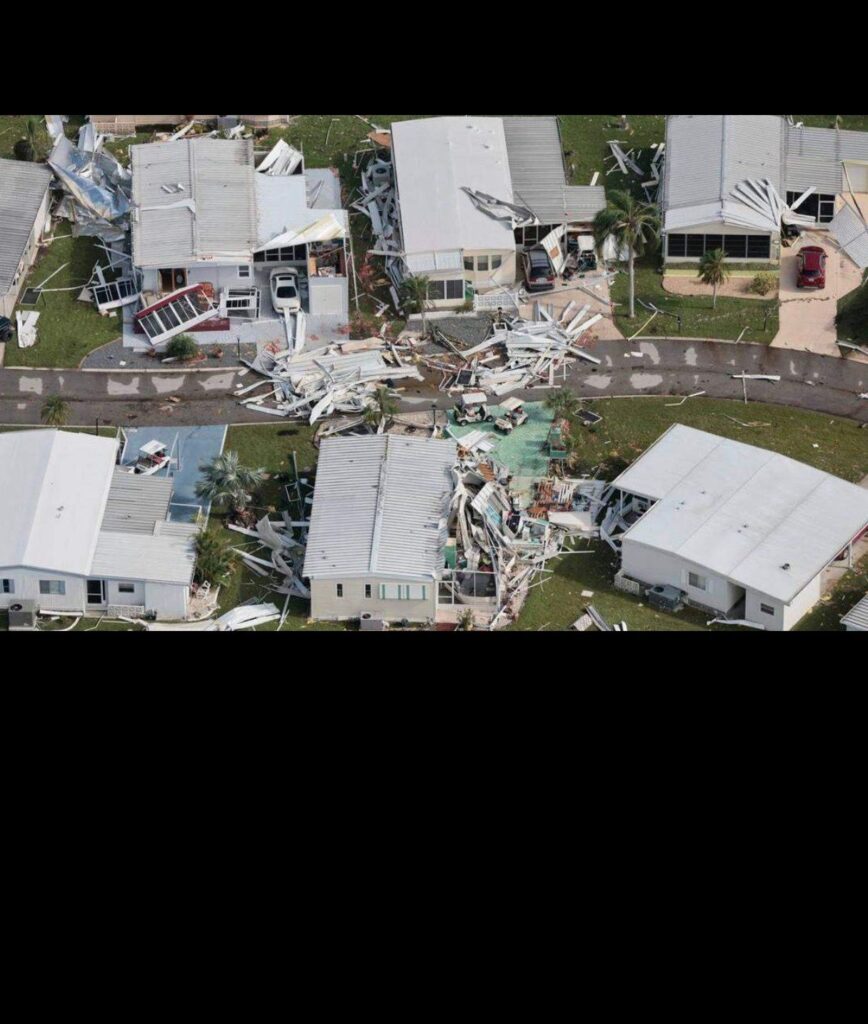
Mold After Hurricanes in Cape Canaveral: What Homeowners in Brevard County Should Know
If you live in Cape Canaveral, hurricane season isn’t just a headline — it’s a yearly reality.
Strong winds, heavy rain, storm surge, and days of lingering humidity create the perfect conditions for mold growth. Even homes that appear dry after a storm can develop hidden moisture problems within days.
Across Brevard County — from Cape Canaveral and Cocoa Beach to Merritt Island, Rockledge, Titusville, Melbourne, Palm Bay, Viera, and Satellite Beach — mold after hurricanes is one of the most common post-storm concerns.
The key isn’t panic. It’s understanding how and why mold develops after storms — and what to do about it.
Why Hurricanes Trigger Mold Growth So Quickly
Mold needs three things:
- Moisture
- Organic material (like drywall or wood)
- Warm temperatures
After a hurricane in Cape Canaveral, all three are present.
Heavy Rain Intrusion
Wind-driven rain often enters through:
- Roof shingles
- Soffits
- Window frames
- Sliding glass doors
- Garage doors
Even minor intrusion can saturate insulation and drywall.
Flooding & Storm Surge
Coastal properties in Cape Canaveral and Cocoa Beach are especially vulnerable to surge-related water entry. Even shallow water exposure can soak baseboards and flooring.
Prolonged Humidity
After storms pass, outdoor humidity remains high. If power outages prevent AC use, indoor humidity rises quickly.
Delayed Drying
Many homeowners focus on visible water but don’t realize moisture remains trapped inside walls and ceilings.
In Florida’s heat, mold can begin developing within 24–48 hours.
Common Areas Mold Develops After Hurricanes
In Brevard County homes, post-hurricane mold is often found in:
- Behind drywall where roof leaks occurred
- Under laminate or tile flooring
- Inside wall cavities near windows
- In attic insulation
- Around HVAC systems
- Behind kitchen cabinets
Attics in Merritt Island and Titusville frequently show mold growth after roof damage that wasn’t immediately visible from inside the home.
Slab homes in Palm Bay and Rockledge often experience moisture migration under flooring.
Warning Signs to Watch for After a Storm
Even if your home looks dry, pay attention to subtle changes.
Common post-hurricane warning signs include:
- Persistent musty odor
- Ceiling discoloration
- Bubbling paint
- Warped baseboards
- Soft drywall
- Floors that feel slightly lifted
- Increased indoor humidity
In Cape Canaveral homes, musty smells are often the first indicator that hidden moisture remains.
Why Surface Drying Isn’t Always Enough
After a storm, homeowners often use fans, towels, or shop vacs to remove visible water. While helpful, these methods may not address moisture inside walls.
Hidden moisture can remain in:
- Insulation
- Wood framing
- Subfloor materials
- Wall cavities
- Attic decking
Painting over stains or replacing flooring without verifying dryness often leads to mold returning months later.
The real issue isn’t just water removal — it’s moisture verification.
What a Post-Hurricane Mold Inspection Involves
When Brevard Mold Inspections & Removal evaluates a Cape Canaveral home after a hurricane, the focus is on identifying concealed moisture.
Visual Assessment
Checking ceilings, walls, baseboards, attic spaces, and HVAC systems.
Moisture Detection
Professional meters detect elevated moisture inside materials.
Thermal Imaging (When Needed)
Infrared tools help reveal temperature differences that suggest trapped moisture.
Attic Inspection
Storm damage often begins at the roofline. Attic spaces are evaluated carefully.
Air or Surface Sampling (If Appropriate)
Used in certain cases to confirm mold presence and concentration levels.
The goal is clarity — determining whether moisture remains active.
How Mold Removal Is Properly Handled After Hurricanes
If mold is confirmed, remediation follows structured steps.
Containment
Affected areas are isolated to prevent spores from spreading.
Removal of Damaged Materials
Saturated drywall, insulation, or flooring materials may need removal.
Source Repair
Roof repairs, window sealing, and plumbing corrections are completed.
HEPA Filtration & Cleaning
Air scrubbers reduce airborne particles during remediation.
Drying & Monitoring
Humidity levels are brought back to safe ranges before rebuilding.
In hurricane-prone areas like Cape Canaveral and Cocoa Beach, moisture control is just as important as mold removal.
Why Local Experience Matters After Storms
Post-hurricane mold behaves differently in Florida than in other states.
Homes in Merritt Island may face attic moisture from wind-driven rain. Slab homes in Palm Bay often experience subfloor dampness. Coastal homes in Satellite Beach encounter salt-air corrosion that affects building materials.
Understanding:
- Brevard County storm patterns
- Local building construction
- Common roof failure points
- AC system vulnerabilities
- Slab foundation moisture behavior
… helps ensure inspections are thorough and accurate.
Local experience means knowing where to look — even when damage isn’t obvious.
How to Reduce Mold Risk After a Hurricane
Quick action makes a significant difference.
After a storm in Cape Canaveral or anywhere in Brevard County:
- Run AC systems as soon as power is restored
- Use dehumidifiers to reduce indoor moisture
- Remove wet materials within 24–48 hours
- Inspect attic spaces for leaks
- Check ceilings and window frames
- Address roof damage immediately
- Document and monitor stained areas
Keeping indoor humidity between 45–55% helps prevent secondary mold growth.
When to Schedule a Professional Evaluation
Consider an inspection if:
- You experienced roof leaks
- Water entered your home
- You lost power for several days
- Musty smells persist
- You notice new staining weeks after the storm
Even homes that appear dry may have concealed moisture.
A professional inspection provides reassurance — or early intervention if needed.
Final Thoughts for Cape Canaveral Homeowners
Mold after hurricanes in Cape Canaveral is common — not because homes are poorly maintained, but because Florida’s climate is unforgiving.
Heavy rain, storm surge, high humidity, and extended AC outages create ideal mold conditions.
The difference between minor cleanup and major remediation usually comes down to early detection.
Stay proactive after storms. Monitor humidity. Inspect carefully.
If you’re unsure whether moisture remains hidden in your home, a calm, professional evaluation can provide clarity and direction.
In Brevard County, hurricane preparedness includes moisture awareness. And staying ahead of mold starts with understanding how quickly it can develop after a storm.