
Mold After Hurricanes in Cape Canaveral: What Homeowners in Brevard County Should Know
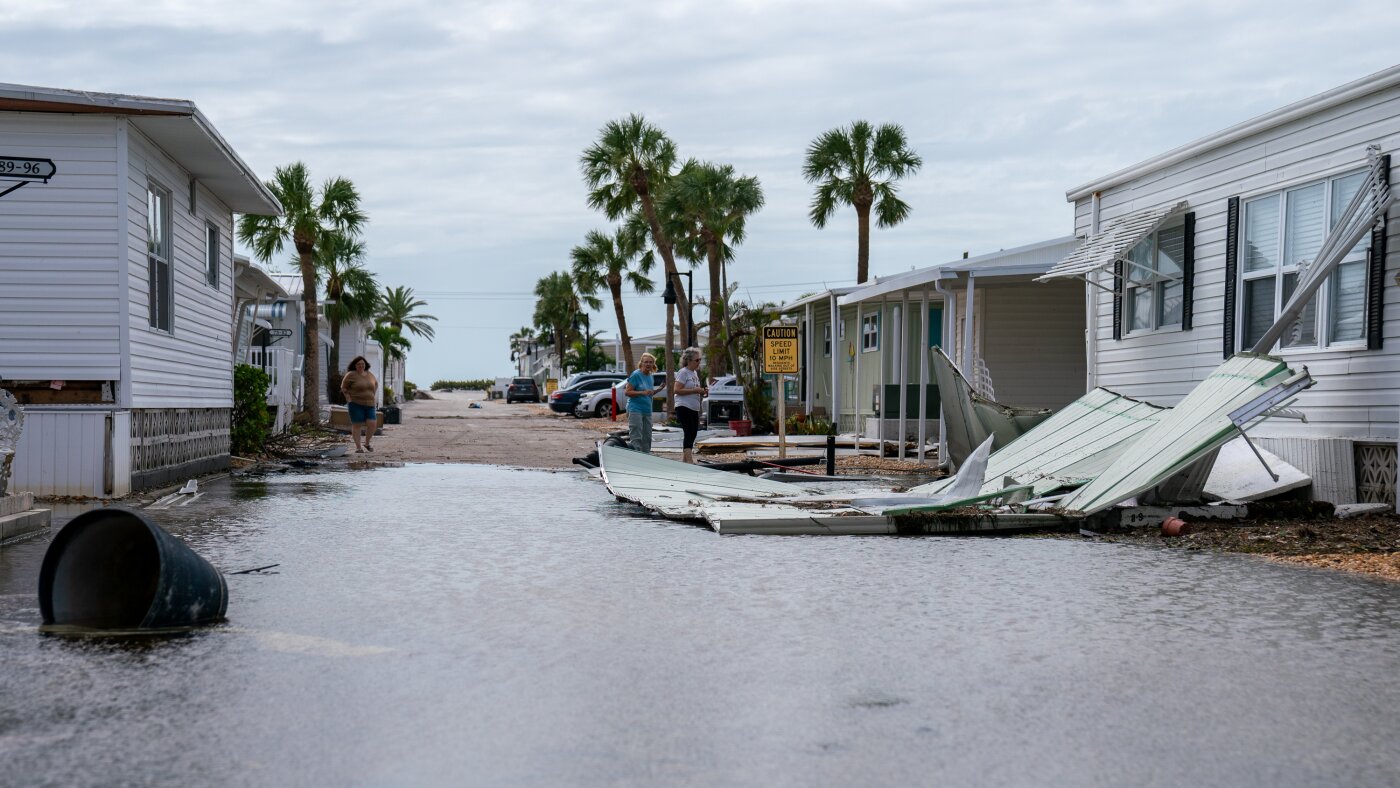
When a hurricane moves through Cape Canaveral, most homeowners focus on the visible damage first — roofing shingles, broken fences, flooded streets, downed palm fronds.
But in Brevard County’s climate, what happens after the storm often matters just as much.
Even if your home never flooded, hurricane-force wind and rain can introduce moisture into attics, wall cavities, insulation, and HVAC systems. In Florida’s heat and humidity, mold can begin developing within 24 to 48 hours.
If your Cape Canaveral home has been through a recent storm, here’s what you need to understand about post-hurricane mold — and how to stay ahead of it.
Why Hurricanes Create Perfect Mold Conditions
Hurricanes combine several risk factors at once:
- Wind-driven rain
- Extended high humidity
- Power outages
- Roof stress and shifting materials
- Sudden pressure changes around windows and doors
Cape Canaveral homes face additional exposure because of their direct proximity to the Atlantic Ocean. Salt air, heavy rain bands, and coastal wind pressure increase the likelihood of small water intrusions.
Even minor water entry — especially into attic insulation — can create ideal mold conditions.
Once moisture is trapped inside structural materials, Florida’s warmth accelerates growth quickly.
“No Flooding” Doesn’t Mean “No Mold Risk”
One of the biggest misconceptions in Brevard County is that mold only develops after visible flooding.
In reality, many post-hurricane mold cases in Cape Canaveral, Cocoa Beach, Satellite Beach, and Rockledge occur in homes that never had standing water.
Common intrusion points include:
- Roof flashing
- Soffit vents
- Ridge vents
- Window frames
- Sliding glass door tracks
- Exterior wall penetrations
Moisture may not show up as an obvious ceiling stain immediately.
Sometimes the first sign appears weeks later as a musty odor.
The Most Common Post-Hurricane Mold Locations
After inspecting homes across Cape Canaveral and Merritt Island following storms, certain patterns consistently appear.
Attics
Wind-driven rain can enter through ventilation openings.
Wet insulation holds moisture against roof decking.
Attic mold often develops quietly without visible interior drywall damage.
Wall Cavities
Water traveling along framing may soak insulation before appearing on interior surfaces.
By the time drywall stains appear, mold may already be active behind it.
Around Windows
Coastal wind pressure can force water past aging seals.
In older Cape Canaveral homes, this is a frequent source of hidden moisture.
HVAC Systems
If power was out for several days, indoor humidity likely rose significantly.
Once power returns, condensation may form inside ductwork or air handlers.
Moisture doesn’t need to be dramatic to create a problem.
Early Signs Mold May Be Developing
Within days or weeks after a hurricane, homeowners may notice:
- Musty or damp odors
- Expanding ceiling stains
- Soft drywall near exterior walls
- Warped baseboards
- Damp insulation in the attic
- Increased indoor humidity
In slab homes common throughout Palm Bay and Titusville, moisture can also wick upward from ground saturation.
If something smells different after a storm, it’s worth investigating.
Why Waiting Can Make It Worse
After a hurricane, homeowners are understandably focused on visible repairs and insurance claims.
Hidden moisture often gets overlooked.
But in Brevard County’s climate:
- Humidity slows natural drying
- Warm temperatures accelerate mold growth
- Insulation traps water
- Wood framing absorbs moisture
Even if surfaces feel dry, internal moisture may remain.
Ignoring attic inspection or wall cavity moisture can allow mold to spread.
Acting early significantly reduces remediation scope.
What a Post-Hurricane Mold Inspection Includes
If you suspect moisture after a hurricane in Cape Canaveral, a professional inspection should focus on moisture detection — not just visible mold.
A thorough evaluation typically includes:
Visual Assessment
Inspecting ceilings, walls, attic spaces, HVAC systems, and window frames.
Moisture Mapping
Using moisture meters to detect elevated levels behind drywall and under flooring.
Infrared Imaging
Identifying hidden damp areas that aren’t visible.
Attic Inspection
Evaluating insulation, roof decking, and ventilation systems.
Humidity Measurement
Assessing whether indoor moisture levels remain elevated.
Brevard Mold Inspections & Removal approaches hurricane-related inspections methodically, identifying actual moisture patterns rather than assuming worst-case scenarios.
Proper Mold Remediation After Hurricanes
If mold is confirmed, remediation follows a structured process.
Step 1: Correct the Water Source
Roof repairs, resealing windows, and drainage improvements must happen first.
Step 2: Containment
Affected areas are isolated to prevent cross-contamination.
Step 3: Remove Contaminated Materials
Wet insulation and damaged drywall may need removal.
Step 4: Clean and Filter
HEPA filtration helps reduce airborne particles.
Step 5: Thorough Drying
Dehumidification ensures moisture levels return to safe ranges before rebuilding.
In Cape Canaveral’s humid environment, drying may take longer than expected.
Patience during this phase prevents recurrence.
Preventing Mold After Future Storms
While hurricanes can’t be prevented, mold risk can be reduced.
Homeowners in Cape Canaveral can:
- Inspect attics within 48 hours after storms
- Check ceilings for new stains
- Service roofs annually
- Seal window frames regularly
- Maintain HVAC systems
- Monitor indoor humidity levels
- Avoid shutting off AC completely during humid periods
After major storms affecting Cocoa Beach or Satellite Beach, even small moisture intrusions can escalate if ignored.
Routine post-storm inspections make a difference.
Why Local Experience in Brevard County Matters
Hurricane-related mold in Florida behaves differently than in dry climates.
Cape Canaveral homes face:
- Direct ocean exposure
- Salt air roof deterioration
- Hurricane wind pressure
- Slab foundation moisture
- Constant AC usage
An inspector familiar with Brevard County understands how quickly mold can develop here — and where hidden moisture tends to collect.
Brevard Mold Inspections & Removal works throughout Cape Canaveral, Cocoa Beach, Merritt Island, Rockledge, Palm Bay, Titusville, and surrounding communities. Local climate knowledge ensures accurate assessments tailored to Florida conditions.
A Calm, Proactive Approach
Mold after hurricanes in Cape Canaveral is common — but it is manageable when addressed early.
The key is identifying moisture quickly, correcting it thoroughly, and ensuring proper drying before repairs.
If your home experienced heavy rain, wind pressure, or power outages during a storm, a professional inspection can provide clarity.
In Brevard County’s coastal climate, moisture control is your strongest defense against post-hurricane mold problems.
Stay proactive, inspect early, and address small issues before they grow.