Mold After Hurricanes in Cape Canaveral: What Homeowners in Brevard County Should Know
Hurricanes and tropical storms are part of life in Cape Canaveral. While wind damage often gets immediate attention, moisture left behind after a storm is what creates long-term problems inside homes. One of the most common issues homeowners face after hurricanes is mold growth—sometimes weeks after everything looks “back to normal.”
Understanding why mold develops after hurricanes, where it tends to hide in Cape Canaveral homes, and how to respond calmly and effectively can help homeowners protect their property and indoor comfort.
Why Hurricanes Lead to Mold Problems
Hurricanes bring intense rain, wind-driven moisture, power outages, and high humidity—all at once. Even when homes don’t experience obvious flooding, water can enter through roofs, vents, windows, siding, and tiny structural gaps.
In Cape Canaveral’s warm, coastal climate, wet materials don’t dry easily. Drywall, insulation, wood framing, flooring, and furniture can retain moisture long after surfaces feel dry. When moisture lingers, mold can begin growing within days.
Post-hurricane mold is usually caused by trapped moisture, not standing water alone.
Why Cape Canaveral Homes Are Especially Vulnerable
Cape Canaveral’s coastal location increases the risk of storm-related moisture issues. Salt air keeps humidity high, and wind-driven rain can push water into areas that normally stay dry.
Local factors that increase mold risk after hurricanes include:
- High outdoor humidity slowing drying
- Power outages stopping AC and dehumidification
- Slab foundations trapping moisture beneath flooring
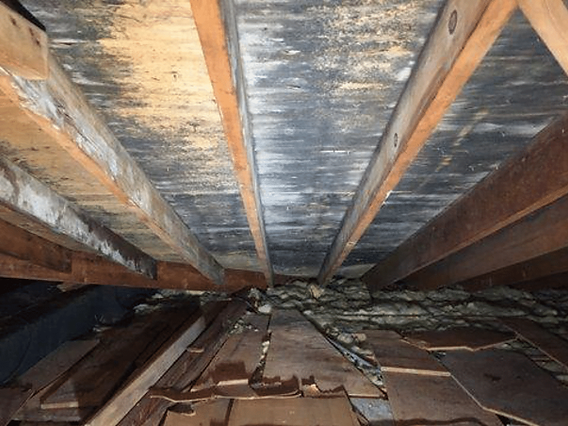
- Attics exposed to wind-driven rain
- Older homes with aging seals or roofing materials
- AC systems restarting with moisture already present
Even newer homes can experience mold if moisture isn’t addressed quickly and thoroughly.
Common Places Mold Appears After Hurricanes
After a storm, mold often develops in areas homeowners don’t immediately inspect.
Common locations include:
- Attics after roof or flashing damage
- Behind drywall where rain entered wall cavities
- Under flooring after minor flooding or seepage
- Inside HVAC systems exposed to moisture
- Crawl spaces or garages with poor drainage
- Closets and cabinets with limited airflow
These areas can remain damp long after visible cleanup is finished.
Early Warning Signs of Post-Hurricane Mold
Mold doesn’t always show up as obvious black or green patches. Many homeowners first notice subtle changes.
Common warning signs include:
- Musty or damp odors
- Discoloration on ceilings or walls
- Bubbling paint or warped drywall
- Increased indoor humidity
- Rooms that feel uncomfortable despite AC use
If these signs appear after a hurricane, moisture may still be present somewhere in the home.
Hidden Mold After Storm Damage
One of the biggest challenges after hurricanes is hidden mold. Walls, insulation, flooring, and attic spaces can stay damp even when surfaces feel dry.
Homeowners may remove wet furniture or mop up visible water while moisture remains trapped inside building materials. Over time, mold grows out of sight and becomes noticeable only when odors persist or damage worsens.
This is why proper drying and inspection are just as important as visible cleanup.
Indoor Comfort and Air Quality Concerns
Mold after hurricanes can affect indoor comfort, especially when growth occurs inside HVAC systems or wall cavities. Spores and damp air can circulate through the home once power is restored and AC systems restart.
Some occupants notice irritation, congestion, or discomfort that seems worse indoors. While symptoms alone don’t confirm mold, they often signal unresolved moisture problems.
Addressing moisture early helps restore normal indoor conditions more quickly.
Why DIY Cleanup After Hurricanes Often Falls Short
After a storm, many homeowners focus on surface cleaning and cosmetic repairs. While understandable, DIY cleanup often misses moisture hidden behind walls, under floors, or in attics.
Running fans or dehumidifiers helps, but it may not be enough for saturated materials. Painting over stains or replacing flooring without proper drying can trap moisture and allow mold to continue growing.
Without moisture detection and thorough drying, mold problems often return weeks or months later.
Professional Mold Inspection After Hurricanes
A professional mold inspection after a hurricane focuses on identifying moisture intrusion and areas at risk for mold growth. Inspectors use moisture meters and visual assessments to locate damp materials—even when mold isn’t visible.
When appropriate, air or surface sampling may help evaluate indoor conditions. The primary goal is understanding where moisture entered the home and whether mold has begun developing.
Local professionals such as Brevard Mold Inspections & Removal understand Cape Canaveral storm patterns, coastal construction styles, and common post-hurricane moisture issues throughout Brevard County.
Proper Mold Removal and Remediation After Storms
Effective mold remediation always starts with moisture control. Leaks must be repaired, wet materials dried or removed, and humidity stabilized.
Containment is used during removal to prevent mold from spreading. Affected materials are cleaned or replaced depending on severity. HVAC systems and attics are evaluated carefully when exposed to storm moisture.
The goal is restoring dry, stable conditions—not just removing visible mold.
Preventing Mold After Future Hurricanes
While hurricanes can’t be prevented, mold growth afterward often can. Cape Canaveral homeowners can reduce risk by taking proactive steps:
- Inspect roofs, attics, and windows after storms
- Dry wet areas within the first 24–48 hours
- Run dehumidifiers when power is restored
- Check HVAC systems for moisture before restarting
- Remove wet insulation or materials promptly
- Schedule post-storm inspections, even if damage seems minor
Early action is one of the most effective mold prevention tools.
Why Local Experience in Brevard County Matters
Mold behavior after hurricanes in Florida differs from other regions. High humidity, warm temperatures, and coastal weather patterns require local knowledge.
Homes in Cape Canaveral experience different storm impacts than inland areas like Viera or Palm Bay. Professionals familiar with Brevard County understand how hurricanes affect local homes and how moisture behaves afterward.
That local insight leads to better assessments and more effective long-term solutions.
A Calm, Prepared Path Forward
Hurricanes are stressful, and mold concerns afterward can add to that stress. The key is responding with information—not panic. Understanding where moisture hides and how mold develops allows homeowners to take smart, timely action.
With proper inspection, drying, and moisture control, most post-hurricane mold issues can be managed effectively. A professional evaluation provides clarity and helps Cape Canaveral homeowners move forward with confidence after the storm passes.
Images for This Article