
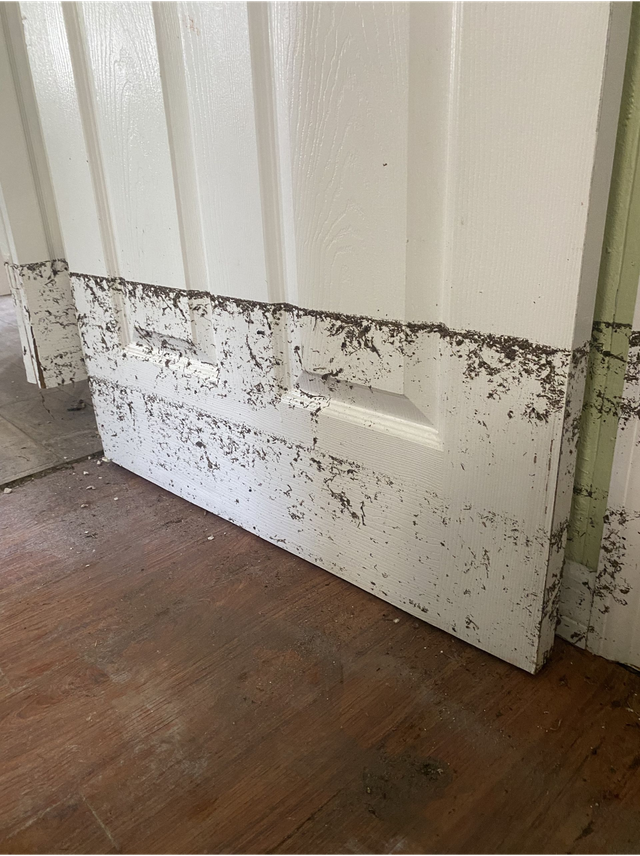
Mold After Hurricanes in Cape Canaveral: What Homeowners in Brevard County Should Know
Hurricanes are a reality of life for homeowners in Cape Canaveral. Even when a storm passes without major flooding, it often leaves behind moisture problems that quietly turn into mold weeks later. Roof damage, wind-driven rain, power outages, and prolonged humidity all create the perfect conditions for mold to develop after hurricanes.
In Brevard County, mold after hurricanes is less about visible destruction and more about what happens once the storm is over. Understanding how moisture behaves, where mold hides, and what steps actually prevent long-term issues helps homeowners recover properly rather than dealing with repeated problems months later.
Why Hurricanes Create Ideal Conditions for Mold
Hurricanes introduce moisture in multiple ways at once.
Wind-driven rain forces water into roofs, soffits, windows, and exterior penetrations. Even small openings can allow significant moisture intrusion without immediate interior stains.
Storm surge and heavy rainfall raise groundwater levels, increasing moisture under homes and around foundations. High outdoor humidity lingers long after the storm clears.
Power outages shut down air conditioning, allowing indoor humidity to spike quickly. Without cooling and dehumidification, damp materials stay wet far longer than normal.
All of these factors work together to create mold-friendly conditions.
Mold Can Start Before Damage Is Obvious
One of the biggest misconceptions is that mold only follows major flooding.
In Cape Canaveral homes, mold often begins growing behind walls, above ceilings, or inside HVAC systems before any visible damage appears.
Drywall, insulation, wood framing, and flooring absorb moisture easily. Even when surfaces feel dry, moisture can remain trapped inside materials long enough for mold to start growing within 24 to 48 hours.
By the time mold becomes visible, the problem is often already established.
Common Hurricane-Related Mold Sources
Roof leaks are among the most common causes. Shingles, flashing, vents, and roof penetrations are vulnerable during high winds.
Window and door intrusion is another frequent issue. Water can be forced inside without leaving immediate stains.
HVAC systems often contribute after storms. Clogged drain lines, power interruptions, and condensation buildup can introduce moisture inside air handlers and ductwork.
Plumbing damage and appliance movement during storms can also lead to slow leaks that go unnoticed until mold appears.
Where Mold Commonly Develops After Hurricanes
Attics are high-risk areas. Moisture from roof leaks or bathroom fan backdrafts often leads to mold on roof decking and framing.
Behind drywall is another common location. Water travels downward inside wall cavities, spreading moisture beyond the original entry point.
Under flooring, especially carpet and laminate, moisture can remain trapped against subfloors.
HVAC systems frequently become mold sources after hurricanes due to prolonged moisture exposure and system downtime.
Warning Signs Mold May Be Developing
Musty or earthy odors are often the first sign homeowners notice after a hurricane.
Discoloration on ceilings or walls, peeling paint, bubbling drywall, or warped baseboards may appear weeks later.
Rooms that feel damp or humid even when the AC is running normally often point to hidden moisture.
Mold near vents or inside HVAC closets is another red flag that storm-related moisture affected the system.
Why Post-Hurricane Drying Is So Difficult
Drying after hurricanes is challenging in coastal Florida.
Outdoor air remains humid, slowing evaporation. Opening windows often introduces more moisture rather than removing it.
Power outages delay drying efforts. Even after power returns, systems may struggle to catch up if moisture has spread into walls and insulation.
Without proper drying and verification, moisture can remain long after cleanup appears complete.
Why Cleaning Visible Mold Isn’t Enough
Surface cleaning does not resolve post-hurricane mold.
Household cleaners and bleach only affect surface staining. Mold roots remain inside porous materials like drywall, wood, and insulation.
Bleach also adds moisture, which can worsen growth beneath the surface. This often leads to mold returning darker and more widespread.
Hurricane-related mold requires moisture correction, not cosmetic cleanup.
How DIY Cleanup Can Make Hurricane Mold Worse
DIY cleanup is a common response after storms, but it often spreads the problem.
Scrubbing mold without containment releases spores into the air. In homes with central air, spores can travel throughout the house.
DIY efforts rarely address hidden moisture behind walls, under floors, or inside HVAC systems. Mold continues growing out of sight while surfaces look temporarily improved.
In post-hurricane conditions, DIY cleanup frequently increases long-term repair costs.
The Role of a Professional Mold Inspection After Hurricanes
A professional mold inspection focuses on moisture behavior after the storm.
Inspectors evaluate attics, walls, ceilings, flooring, crawl spaces, and HVAC systems. Moisture meters help identify damp materials that feel dry on the surface.
Thermal imaging may be used to locate hidden moisture intrusion paths. When appropriate, air or surface sampling may support findings.
The goal is understanding where moisture entered, where it remains, and how far mold may have spread.
Mold Remediation After Hurricane Damage
Proper remediation addresses both mold growth and storm-related moisture.
Containment prevents spores from spreading during removal. Mold-affected materials are cleaned or removed depending on severity and material type.
Roof leaks, window intrusion, HVAC drainage issues, and ventilation problems must be corrected. Without fixing these sources, mold will return.
Verification ensures materials are truly dry before remediation is considered complete.
Brevard Mold Inspections & Removal approaches post-hurricane mold with a prevention-focused mindset rather than surface-level cleanup.
Why Timing Matters After a Hurricane
Early action significantly reduces mold risk.
The sooner moisture is identified and dried, the less opportunity mold has to grow. Waiting weeks to investigate odors or stains often allows mold to spread into hidden areas.
Even when damage seems minor, early evaluation prevents surprises later.
Preventing Mold After Future Hurricanes
Preparation and follow-up are key.
After storms:
- Inspect attics, ceilings, and exterior penetrations
- Run HVAC systems as soon as safely possible
- Monitor indoor humidity
- Check HVAC drain lines and air handlers
Keeping gutters clear and maintaining roofs reduces intrusion risk. Regular inspections help catch storm-related issues early.
Why Local Experience in Brevard County Matters
Mold after hurricanes behaves differently in coastal Florida than in inland or dry regions.
Cape Canaveral homes face salt air, high humidity, storms, slab foundations, and long cooling seasons. Local experience helps identify subtle intrusion paths and realistic drying timelines.
Generic advice often underestimates how quickly mold develops here.
A Calm, Practical Takeaway
Mold after hurricanes in Cape Canaveral is common, even when storms don’t cause obvious damage. It almost always points to moisture that entered, lingered, or wasn’t fully dried.
If your home experienced a hurricane and now has musty odors, staining, or recurring mold, it’s a sign that deeper conditions need attention. Early inspection and moisture evaluation prevent small issues from becoming major repairs.
Homeowners across Brevard County benefit from understanding how hurricanes and mold are connected. Brevard Mold Inspections & Removal helps homeowners identify post-storm moisture issues, address mold correctly, and protect their homes long-term.
Handled properly, mold after hurricanes becomes a manageable recovery issue — not a lingering reminder of the storm.