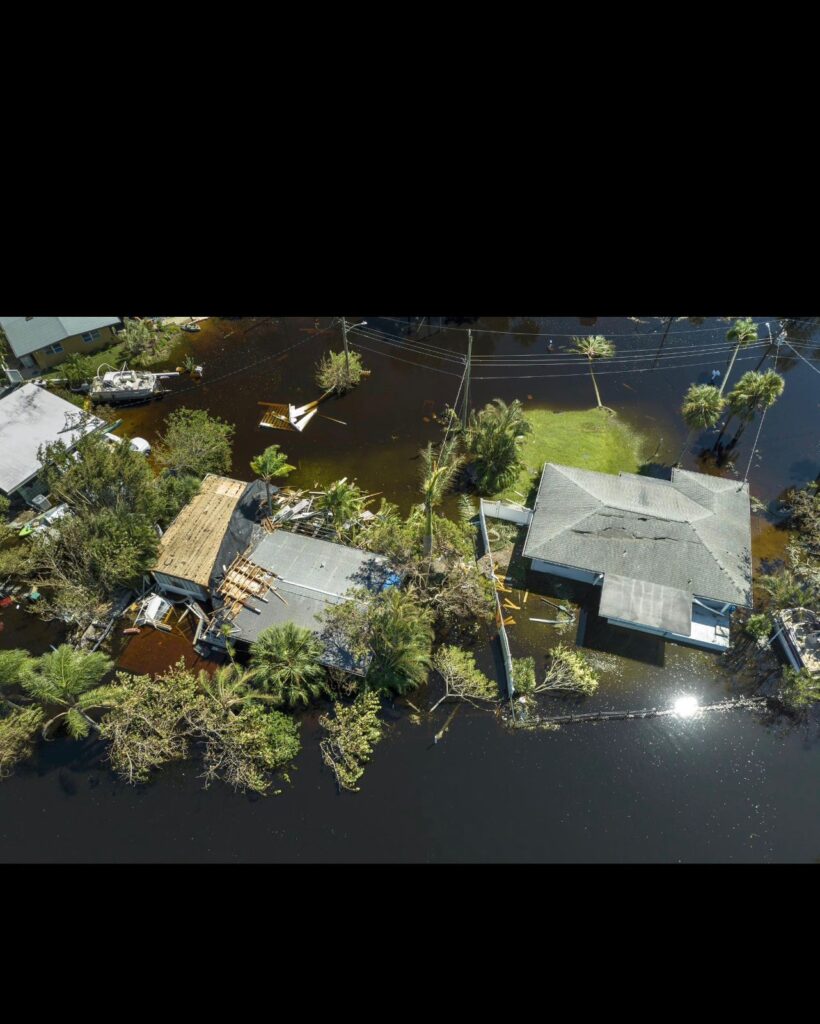
Mold After Hurricanes in Cape Canaveral: What Homeowners in Brevard County Should KnowHurricanes don’t stop causing damage once the winds die down. In Cape Canaveral, mold is often the next major problem homeowners face after a storm. High humidity, wind-driven rain, flooding, and power outages create ideal conditions for mold to grow—often quietly and out of sight.Many homes that look “mostly fine” after a hurricane develop mold weeks later because moisture was trapped inside walls, floors, attics, or HVAC systems. Understanding how hurricanes lead to mold, where it hides, and how to respond quickly can prevent long-term damage and costly repairs.⸻Why Hurricanes Lead to Mold in Cape Canaveral HomesCape Canaveral’s coastal location increases post-storm mold risk due to: • Wind-driven rain entering roofs and walls • Storm surge and flooding • High humidity before and after storms • Power outages shutting down AC and dehumidification • Delayed repairs due to contractor shortagesMold does not require major flooding. Even small leaks combined with days of high humidity can trigger growth.⸻How Fast Mold Grows After a HurricaneMold growth starts much faster than most homeowners expect.Typical timeline: • 0–24 hours: Building materials absorb moisture • 24–48 hours: Mold spores begin colonizing • 3–7 days: Musty odors and early growth appear • Weeks later: Hidden mold spreads behind walls and under floorsBy the time mold becomes visible, it is usually well established.⸻Common Hurricane-Related Mold SourcesAfter hurricanes, mold typically traces back to one or more of these issues.Roof and Exterior Damage • Lifted or missing shingles • Damaged flashing • Leaks around vents or skylights • Water intrusion into atticsFlooding and Storm Surge • Saturated flooring and subfloors • Wet drywall and insulation • Moisture wicking up wallsHVAC and Condensation Problems • AC systems shut down during outages • Standing water in drain pans • Moist air trapped in ductworkWindows and Doors • Broken seals • Wind-driven rain intrusion • Condensation buildup after power lossEach source can continue feeding mold long after the storm ends.⸻Hidden Mold: The Biggest Post-Hurricane ThreatThe most serious mold problems after hurricanes are often not visible.Common hidden growth areas include: • Behind drywall • Under tile, laminate, or carpet • Inside insulation • Attics with roof leaks • HVAC systems and ductworkHomes may feel dry on the surface while moisture remains trapped inside materials.⸻Warning Signs Mold May Be DevelopingWatch closely for these signs in the weeks following a hurricane.Visual Clues • Ceiling or wall stains • Bubbling or peeling paint • Warped baseboards or flooringOdor and Air Clues • Musty or earthy smells • Odors that worsen when AC runs • Stale indoor airHealth Clues • Increased allergies or coughing • Sinus congestion or headaches • Asthma symptoms worsening indoorsSymptoms that improve when leaving the home are a major red flag.⸻Power Outages and Mold GrowthPower outages significantly accelerate mold growth.When AC is off: • Indoor humidity rises quickly • Moisture settles on walls and ceilings • Condensation forms inside ductsHomes can reach mold-friendly humidity levels within hours, especially in summer.⸻Why Fans Alone Are Not EnoughFans help surface drying but cannot remove moisture trapped inside walls, insulation, or subfloors.Problems with fan-only drying include: • Hidden moisture remaining undetected • Insulation staying wet • Continued mold growth behind surfacesProfessional drying relies on moisture detection, not guesswork.⸻Mold Inspections After HurricanesPost-hurricane inspections focus on moisture, not just visible mold.Inspections help: • Identify hidden water intrusion • Locate roof, wall, or HVAC leaks • Determine mold risk early • Document conditions for insuranceEarly inspections can prevent minor moisture problems from becoming full remediation projects.⸻Mold Testing After StormsTesting is not always required but can help when: • Mold is suspected but not visible • Odors persist weeks after the storm • Health symptoms appear • Documentation is neededTesting helps confirm whether indoor air quality has been affected.⸻Mold Remediation After Hurricane DamageProper remediation addresses both mold and moisture.Typical steps include: 1. Containment to prevent spore spread 2. HEPA air filtration 3. Removal of mold-contaminated materials 4. Antimicrobial treatment 5. Complete drying and moisture correction 6. Repairing storm-related damageSkipping moisture correction almost guarantees mold will return.⸻Insurance and Mold After HurricanesCoverage depends on cause and timing.Generally: • Mold from a covered storm-related water event may be covered • Mold from delayed drying or long-term moisture is often denied • Mold coverage limits are commonDocumentation matters: • Photos before cleanup • Records of drying efforts • Inspection reports • Repair timelines⸻Vacant Homes After HurricanesVacant or seasonal homes are especially vulnerable.Risks include: • Delayed discovery of leaks • AC turned off • No humidity controlBest practices: • Restore power and AC quickly • Inspect as soon as safe • Monitor humidity • Address leaks immediately⸻Preventing Mold After HurricanesFirst 48 Hours • Stop water intrusion • Begin drying immediately • Remove wet materials when possible • Restore AC and dehumidification • Document all damageOngoing Prevention • Repair roof and exterior damage promptly • Monitor humidity levels • Inspect attics, walls, and HVAC systems • Address musty odors earlySpeed is the most effective mold prevention tool.⸻When to Call a ProfessionalProfessional help is recommended if: • Water damage lasted more than 24 hours • Mold odors persist • Mold becomes visible • HVAC systems were affected • Health symptoms appear • Insurance claims are involvedEarly action reduces costs and protects indoor air quality.⸻Why Ignoring Post-Hurricane Mold Is CostlyUnchecked mold can lead to: • Structural damage • Poor indoor air quality • Health problems • Expensive remediation • Reduced home valueMold rarely resolves without intervention.⸻Final Thoughts for Cape Canaveral HomeownersIn Cape Canaveral, hurricanes don’t just damage homes—they create perfect conditions for mold. The biggest mistake homeowners make is assuming everything is dry because it looks dry.After a storm, moisture control is just as important as visible repairs. Acting quickly, monitoring humidity, and addressing hidden moisture can prevent weeks of stress and thousands of dollars in damage.When it comes to post-hurricane mold, early action makes all the difference.