

Mold After Hurricanes in Cocoa: What Homeowners in Brevard County Should Know
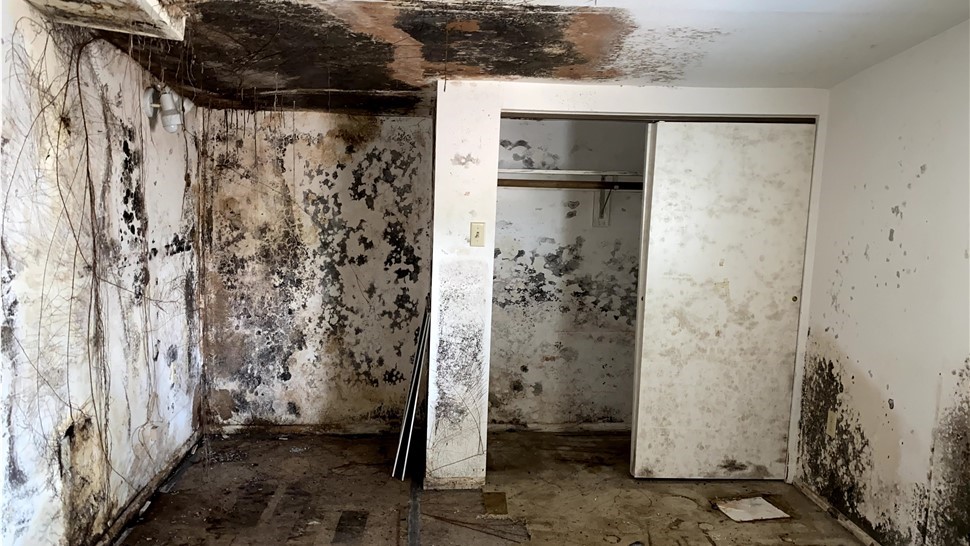
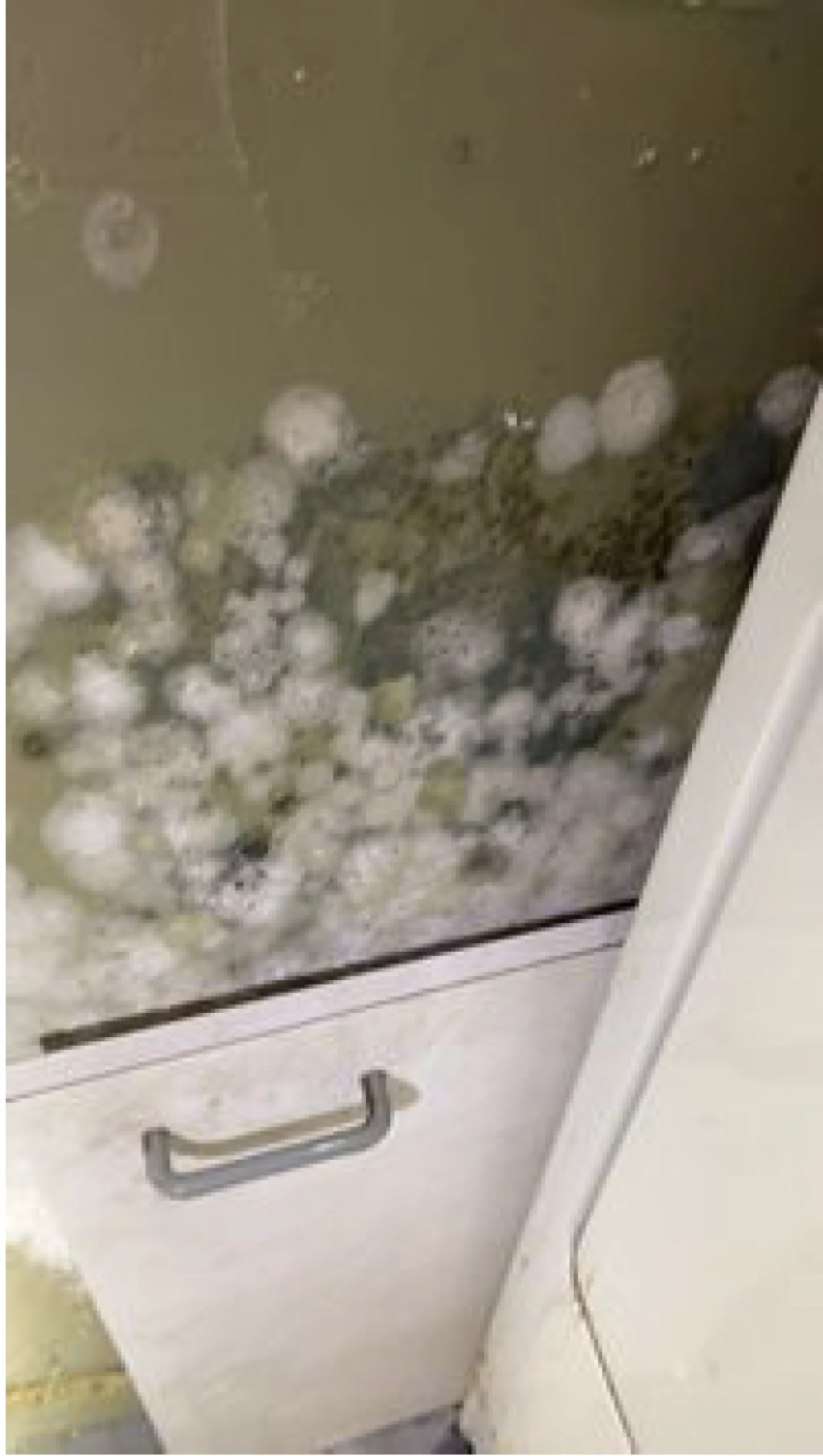
Hurricanes don’t have to flood a home to cause mold problems. In Cocoa, mold often appears weeks after a storm, long after debris is cleared and repairs seem complete. Homeowners are left wondering why musty odors show up out of nowhere or why stains appear on ceilings and walls that looked fine right after the hurricane.
In Brevard County’s humid climate, hurricanes create the perfect setup for mold: wind-driven rain, power outages, elevated humidity, and materials that never fully dry. Understanding how mold develops after hurricanes — and where it hides — helps homeowners take the right steps before small issues turn into major repairs.
Why Hurricanes Commonly Lead to Mold in Cocoa Homes
Hurricanes introduce moisture in multiple ways at once. Rain doesn’t just fall downward; strong winds push water sideways and upward into places it normally wouldn’t reach.
Water can enter through:
- Roof shingles and flashing
- Soffits and vents
- Windows and door frames
- Exterior wall penetrations
At the same time, power outages shut down air conditioning. Without AC, indoor humidity rises quickly, especially in Florida. Even homes with no visible leaks can trap moisture inside walls, ceilings, and insulation for days.
Once moisture is present and drying is delayed, mold has everything it needs.
Mold After Hurricanes Doesn’t Require Flooding
One of the biggest misconceptions is that mold only follows flooding. In Cocoa, many post-hurricane mold cases happen in homes that never had standing water.
Small roof leaks, window intrusion, soaked insulation, condensation from high humidity, and damp ductwork are more than enough. Water often spreads inside wall cavities or above ceilings, leaving no obvious signs until mold growth becomes established.
By the time mold is visible, the storm may feel like old news — but the moisture damage started then.
Common Hurricane-Related Moisture Sources
Roof damage is one of the most frequent causes. Missing shingles, lifted flashing, or small punctures can allow rain to soak attic insulation and roof decking without immediate ceiling stains.
Windows and doors are another common entry point. Wind-driven rain can bypass seals and travel downward inside walls.
HVAC systems often contribute as well. Condensation, power interruptions, or debris-related issues can introduce moisture into air handlers, drain pans, and ductwork.
Ground saturation after heavy rain can also increase moisture movement into slab foundations and lower walls.
Where Mold Commonly Develops After Hurricanes
Attics are one of the most common problem areas. Wet insulation combined with limited airflow creates ideal conditions for mold on roof decking and framing.
Behind drywall is another frequent location. Water entering from above often travels downward inside walls, allowing mold to grow out of sight.
Under flooring — especially carpet, laminate, or wood — moisture can remain trapped long after surfaces feel dry.
HVAC systems can harbor mold after storms, particularly if condensation or water intrusion affects internal components.
Early Signs Mold May Be Developing
Musty or damp odors are often the first warning sign. These smells may be stronger after rain or when the AC turns on.
Homeowners may notice discoloration on ceilings or walls, bubbling paint, warped baseboards, or flooring that feels soft or uneven.
Some rooms may feel more humid than others, even when cooling appears normal. These changes often show up before visible mold growth.
Why Mold After Hurricanes Is Often Missed
After a hurricane, attention is usually on visible damage. Hidden moisture is easy to overlook once repairs appear complete.
Drying efforts may focus on obvious wet areas while moisture remains inside walls, insulation, or subfloors. Without moisture detection tools, it’s difficult to confirm that everything truly dried.
In Cocoa homes, mold after hurricanes is frequently discovered later during inspections, renovations, or real estate transactions.
Drying Is Critical — But Verification Matters
Drying is essential after a storm, but drying alone doesn’t guarantee success. Florida’s humidity slows evaporation, and materials can stay damp internally even when surfaces feel dry.
Fans and dehumidifiers help, but moisture trapped inside building materials often requires verification with proper tools. Partially damp materials can support mold growth days or weeks after cleanup appears finished.
Verification is what separates temporary relief from lasting results.
Professional Mold Inspection After Hurricanes
A professional mold inspection focuses on identifying hidden moisture and early mold growth after storm events.
Inspectors evaluate attics, walls, flooring, HVAC systems, and areas with known water intrusion. Moisture meters and thermal imaging help locate damp materials that aren’t visible.
When appropriate, air or surface sampling may support findings and documentation. The goal is clarity — understanding what’s present and why.
Proper Mold Remediation After Storms
Effective remediation addresses both mold growth and the moisture that caused it.
Containment is used to prevent spores from spreading during removal. Mold-affected materials such as drywall, insulation, or flooring may need removal when contamination is deep.
Correcting storm-related moisture issues is critical. This may include roof repairs, sealing window openings, HVAC servicing, ventilation improvements, or humidity control.
Brevard Mold Inspections & Removal approaches post-hurricane mold with a prevention-focused mindset, helping homeowners stabilize conditions instead of relying on cosmetic fixes.
Why DIY Cleanup Often Backfires After Hurricanes
DIY cleanup after storms is understandable — homeowners want to move forward. Unfortunately, it often creates new problems.
Scrubbing visible mold without containment can release spores into the air and spread them through HVAC systems. Cleaning also doesn’t address hidden moisture, which is the real driver of growth.
In many cases, DIY efforts delay proper assessment while mold continues to develop out of sight.
Preventing Mold After Future Hurricanes
Preparation and early action make a significant difference.
After storms:
- Inspect attics, ceilings, and areas around windows and doors
- Begin drying immediately where moisture is found
- Monitor indoor humidity once power is restored
- Check HVAC systems before returning to normal operation
Routine roof maintenance, sealed exterior penetrations, and well-maintained HVAC systems reduce storm-related moisture intrusion.
Post-storm inspections are one of the most effective prevention steps in Cocoa.
Why Local Experience in Brevard County Matters
Mold after hurricanes behaves differently in coastal Florida than in inland or dry regions.
Cocoa homes face wind-driven rain, slab foundations, salt air, and prolonged humidity. Local experience means knowing where mold typically develops after storms and how moisture moves through homes here.
Solutions that work elsewhere often fail in Brevard County’s climate.
A Calm, Practical Takeaway
If your Cocoa home has been through a hurricane — even if damage seemed minor — it’s worth understanding what moisture may have been left behind. Mold problems are far easier to address early than months later.
Homeowners across Brevard County benefit from early assessment after storms. Brevard Mold Inspections & Removal helps homeowners identify post-hurricane mold risks, understand moisture conditions, and take practical steps to protect their homes.
After hurricanes, peace of mind often comes from knowing what’s happening behind the walls — not just what you can see.