

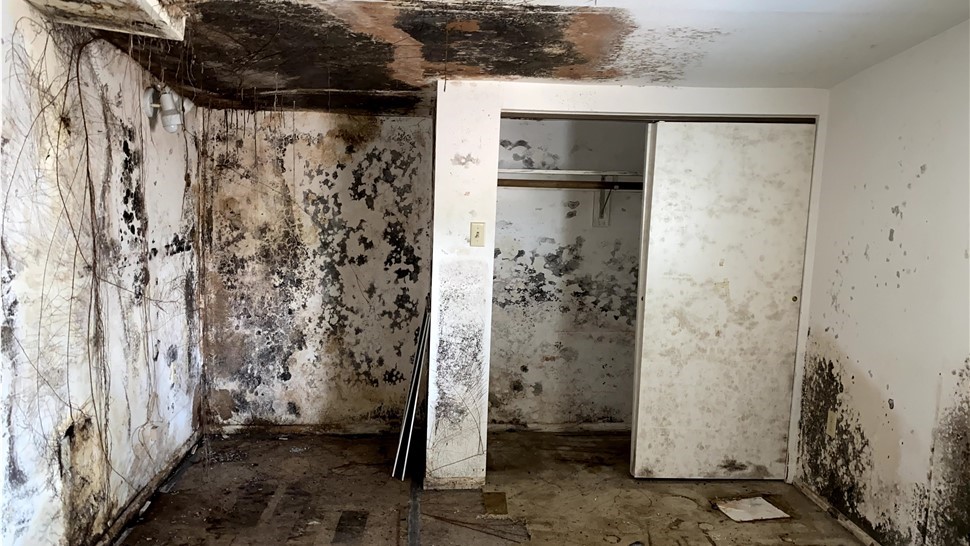
Mold After Hurricanes in Cocoa: What Homeowners in Brevard County Should Know
Hurricanes are a reality for homeowners in Cocoa and throughout Brevard County. Even when a storm passes without major structural damage, the moisture it leaves behind can create serious mold problems in the weeks that follow. Many homeowners are caught off guard when mold appears after a hurricane, especially if there was no obvious flooding.
In Cocoa, Cocoa Beach, Merritt Island, Rockledge, and nearby areas, post-hurricane mold is one of the most common issues discovered after inspections. Understanding why mold develops so quickly after storms, where it hides, and what steps matter most can help homeowners protect their property and avoid long-term damage.
Why Hurricanes Trigger Mold Growth So Quickly
Hurricanes introduce large amounts of moisture into homes in a short period of time. Wind-driven rain can enter through roofs, windows, doors, vents, and even tiny openings that normally don’t cause problems.
Even when water is not visible, humidity levels inside the home often spike dramatically after a storm. Power outages can prevent air conditioning from running, slowing drying even further. In Florida’s warm climate, this combination allows mold to begin growing within 24 to 48 hours.
In Cocoa homes, mold often develops after storms that homeowners initially believe caused little or no damage.
Common Hurricane-Related Moisture Sources
Not all hurricane-related mold comes from flooding. Many cases begin with less obvious moisture intrusion.
Roof damage is one of the most common causes. Missing shingles, lifted flashing, or compromised vents allow rainwater to soak attic insulation and roof decking long before stains appear on ceilings.
Window and door leaks are another frequent issue. Wind-driven rain can bypass seals and enter wall cavities, where moisture becomes trapped. AC systems may also contribute when drain lines clog or units struggle to manage elevated humidity after storms.
In slab homes common throughout Cocoa and Brevard County, water can migrate upward through flooring after prolonged rainfall, even without standing water.
Where Mold Commonly Appears After Hurricanes
After a hurricane, mold rarely grows only where water was first noticed. It often spreads to areas that remain damp and undisturbed.
Attics are one of the most common post-hurricane mold locations. Wet insulation and limited airflow create ideal conditions for mold on roof decking and framing.
Behind drywall is another frequent problem area. Water that enters walls can travel downward, spreading moisture far beyond the original entry point.
Flooring, especially carpet, laminate, and wood, can trap moisture underneath. HVAC systems can also become affected when humidity or water enters air handlers or ductwork.
In Cocoa homes, mold is often discovered weeks after the storm, once odors or visible damage finally appear.
Signs Mold May Be Developing After a Hurricane
Mold does not always announce itself clearly. One of the earliest signs is a persistent musty or damp odor that wasn’t present before the storm.
Homeowners may notice discoloration on ceilings or walls, bubbling paint, warped baseboards, or flooring that feels soft or uneven. Increased indoor humidity or condensation on windows and vents can also signal lingering moisture.
These signs often indicate hidden moisture and potential mold growth, even if no visible mold is present yet.
Why Drying Alone Is Often Not Enough
Many homeowners focus on drying visible water after a hurricane, which is important, but not always sufficient. Moisture often remains trapped inside walls, insulation, and flooring.
Fans and dehumidifiers help, but without proper moisture detection, it’s difficult to know whether materials have fully dried. In Florida’s climate, partially damp materials can remain wet long enough for mold to develop even after surface drying.
This is why mold after hurricanes is so common in Brevard County, even in homes that appear dry.
Professional Mold Inspection After a Hurricane
A professional mold inspection after a hurricane focuses on identifying hidden moisture and early mold growth. This includes inspecting attics, walls, flooring, and HVAC systems.
Moisture meters and thermal imaging tools help locate damp materials that are not visible. These tools are especially important in slab homes, where moisture movement is difficult to detect.
When appropriate, air or surface sampling may be used to better understand mold conditions. This provides clear, objective information to guide next steps without assumptions.
An inspection helps homeowners understand what’s happening beneath the surface before problems escalate.
Proper Mold Remediation After Storm Damage
Effective mold remediation after a hurricane addresses both mold removal and moisture correction. Containment may be used to prevent spores from spreading during cleanup.
Mold-affected materials are cleaned or removed based on severity. Just as important is correcting the moisture source, whether it’s roof repairs, window sealing, HVAC maintenance, or drainage improvements.
In Florida homes, remediation must account for ongoing humidity. Without proper moisture control, mold may return even after thorough cleanup.
Brevard Mold Inspections & Removal approaches post-hurricane mold with a prevention-focused mindset, helping homeowners stabilize conditions rather than applying temporary fixes.
Preventing Mold After Future Hurricanes
Preparation and quick action make a big difference. After a hurricane, homeowners should inspect attics, ceilings, and around windows and doors as soon as it’s safe to do so.
Drying should begin immediately in any affected areas, and humidity levels should be monitored closely. Even if damage appears minor, lingering moisture should not be ignored.
Regular roof maintenance, proper sealing, and HVAC upkeep reduce the risk of storm-related moisture intrusion. In coastal areas like Cocoa, storm readiness is an ongoing process.
Why Local Experience in Brevard County Matters
Post-hurricane mold issues in Brevard County are shaped by local climate, storm patterns, and construction styles. What works in other regions may not apply in Cocoa homes.
Local experience means understanding how hurricanes impact attics, slab foundations, HVAC systems, and wall assemblies common in this area. It also means knowing where mold is most likely to develop after storms.
Professionals familiar with Brevard County conditions can identify problems early and recommend solutions that make sense locally.
A Calm, Practical Next Step
If your home experienced a hurricane, even without obvious damage, it’s wise to consider what moisture may have been left behind. A professional inspection can provide clarity and help prevent mold from becoming a long-term issue.
Homeowners in Cocoa and throughout Brevard County benefit from early assessment after storms. Brevard Mold Inspections & Removal helps homeowners identify post-hurricane mold risks and take practical, responsible steps toward protecting their homes.
Addressing mold early after hurricanes helps preserve your home, reduce repair costs, and restore peace of mind.