
Mold After Hurricanes in Rockledge: What Homeowners in Brevard County Should Know
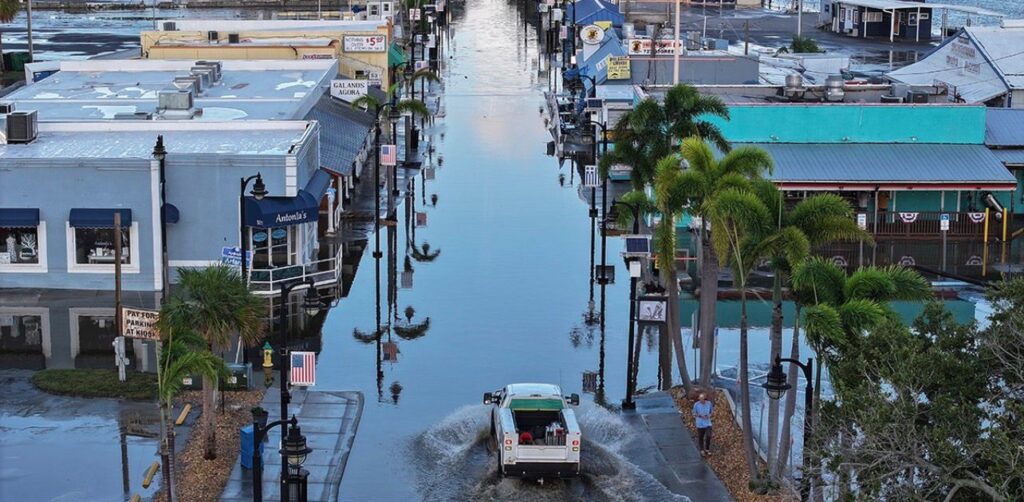
Mold After Hurricanes in Rockledge: What Homeowners in Brevard County Should KnowHurricanes are a fact of life for homeowners in Rockledge and throughout Brevard County. While wind damage often gets the most attention, mold growth after hurricanes is one of the most common and costly long-term problems. Heavy rain, flooding, roof damage, power outages, and prolonged humidity create perfect conditions for mold to grow quickly—often out of sight.Understanding how mold develops after hurricanes, where it hides, and what steps protect your home is critical to avoiding serious health issues and expensive repairs.⸻Why Hurricanes Lead to Mold Problems in RockledgeRockledge’s location near the Indian River Lagoon and low-lying coastal areas makes homes especially vulnerable during hurricanes. Even when floodwaters do not enter the home, storm-related moisture can still cause mold.Hurricanes create mold conditions by:Driving rain into roofs, siding, and windowsCausing temporary or prolonged floodingDamaging plumbing and HVAC systemsKnocking out power and air conditioningRaising indoor humidity for days or weeksOnce moisture is trapped inside walls, floors, or insulation, mold can begin growing within 24 to 48 hours.⸻Mold Can Start Before You See Any DamageOne of the biggest mistakes homeowners make after a hurricane is assuming everything is fine if there is no obvious flooding. Mold often begins growing long before visible signs appear.Moisture may be present:Behind drywallUnder flooring and carpetInside wall insulationIn attics from roof leaksInside HVAC systemsBy the time stains or odors appear, mold growth is often already extensive.⸻Common Sources of Post-Hurricane MoistureAfter hurricanes in Rockledge, mold growth commonly follows these moisture sources:Roof leaks from missing shingles or lifted flashingWind-driven rain entering through siding or windowsFloodwater intrusion, even shallow waterOverflowing gutters and poor drainageBroken pipes or backed-up plumbingHVAC condensation during power restorationSaltwater intrusion is especially problematic because salt attracts moisture from the air, keeping materials damp longer.⸻Where Mold Commonly Appears After HurricanesMold after hurricanes is often hidden, making it more dangerous and costly over time.High-risk areas include:Behind drywall on exterior wallsUnder tile, laminate, or carpet flooringInside cabinets and vanitiesAttics with roof damageCrawl spaces and utility roomsHVAC air handlers and ductworkClosets and storage areasVisible mold is usually only a small portion of the total contamination.⸻Warning Signs of Mold After a HurricaneHomeowners in Rockledge should watch closely for early warning signs after any major storm.Common signs include:Musty or earthy odorsWater stains on ceilings or wallsBubbling or peeling paint and drywallWarped flooring or baseboardsPersistent dampness or humidityIncreased allergy or respiratory symptomsIf these signs appear weeks after a hurricane, mold growth is already likely underway.⸻Health Risks of Post-Hurricane MoldMold growth after hurricanes can significantly impact indoor air quality. Spores and fragments become airborne and circulate throughout the home, especially once HVAC systems are restarted.Common health symptoms include:Sneezing and nasal congestionChronic coughing or throat irritationEye irritation and headachesSkin rashesWorsening asthma or allergy symptomsFatigue and difficulty concentratingChildren, elderly residents, and people with respiratory or immune conditions are particularly vulnerable.⸻Why Power Outages Make Mold WorsePower outages after hurricanes play a major role in mold growth. Without air conditioning or dehumidification, indoor humidity rises quickly.Even homes with no visible leaks may develop mold because:Air stops circulatingMoisture cannot evaporateTemperatures remain warmMaterials stay damp for extended periodsThe longer the power is out, the greater the risk of widespread mold growth.⸻Why DIY Cleanup After Hurricanes Is RiskyMany homeowners attempt DIY cleanup after storms, especially when trying to act quickly. While removing standing water is important, DIY methods often fall short when mold is involved.Common DIY mistakes include:Only drying visible surfacesUsing fans that spread mold sporesCleaning mold with bleach on porous materialsFailing to remove wet drywall or insulationRestarting HVAC systems without inspectionImproper cleanup often spreads mold deeper into the home and increases health risks.⸻Professional Mold Prevention After HurricanesProfessional post-hurricane services focus on rapid drying and moisture detection, which is the most effective way to stop mold before it spreads.Professional steps often include:Moisture mapping to locate hidden waterStructural drying with commercial equipmentContainment to prevent spore spreadHEPA air filtrationRemoval of unsalvageable materialsVerification that moisture levels are safeEarly intervention often prevents the need for extensive mold remediation.⸻Mold Remediation When Growth Has Already StartedIf mold growth is already present, remediation becomes necessary. Mold remediation goes beyond drying and includes:Removing contaminated materialsCleaning and treating affected surfacesCorrecting moisture sourcesPreventing future mold growthWithout addressing the root cause of moisture, mold will return even after cleanup.⸻Insurance Considerations After HurricanesMold coverage after hurricanes depends heavily on timing and documentation. Insurance companies focus on whether homeowners acted promptly to prevent further damage.Homeowners should:Photograph all water damage immediatelyDocument when damage was discoveredDry affected areas as soon as possibleReport damage promptlyKeep records of repairs and inspectionsDelays can lead to claim disputes or denials if mold is deemed preventable.⸻Preventing Mold After Future HurricanesWhile hurricanes cannot be prevented, mold damage can often be minimized with preparation and fast action.Preventive steps include:Inspecting roofs and seals before storm seasonKeeping gutters and drainage clearInstalling hurricane shutters properlyDrying affected areas within 24 hoursMonitoring humidity after stormsInspecting attics, walls, and flooring after heavy rainHomes that dry quickly are far less likely to experience severe mold problems.⸻Mold After Hurricanes and Property ValueUnresolved mold after hurricanes can significantly reduce property value in Rockledge. Buyers and inspectors are cautious of storm-damaged homes, especially when mold remediation is incomplete or undocumented.Proper drying, remediation, and documentation help protect resale value and future insurability.⸻When Immediate Action Is NeededHomeowners should seek professional evaluation immediately when:Flooding has occurredRoof or window damage is presentPower outages last more than a dayMusty odors developHealth symptoms worsen indoorsWaiting allows mold to spread and increases repair costs.⸻Final ThoughtsMold after hurricanes is one of the most serious hidden threats to homes in Rockledge and throughout Brevard County. Florida’s warm climate, storm-driven moisture, and power outages allow mold to grow rapidly when water is not addressed properly.Early drying, careful inspection, and professional assessment when needed are the most effective ways to prevent long-term mold problems. Homeowners who act quickly protect indoor air quality, structural integrity, and long-term property value after hurricanes strike.