
Mold After Hurricanes in Rockledge: What Homeowners in Brevard County Should Know

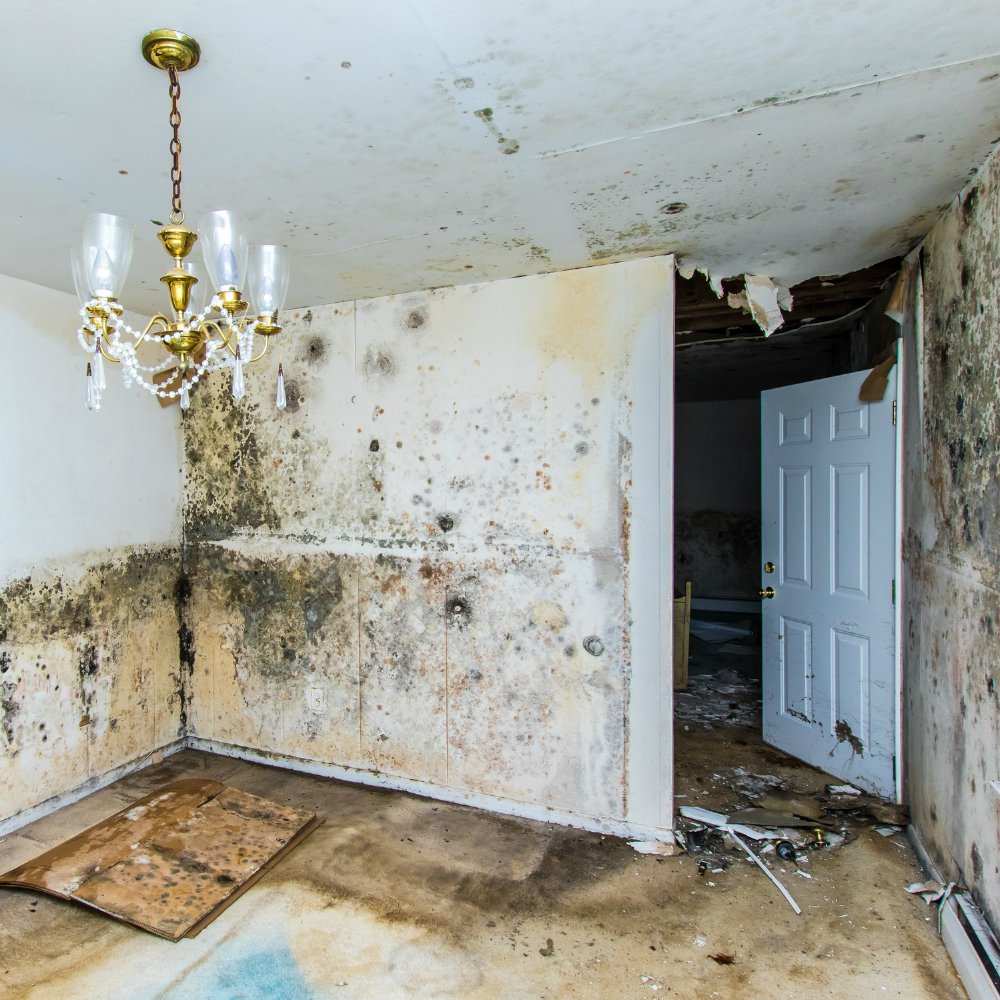
Hurricanes bring wind, rain, and flooding—but one of the biggest problems often appears weeks later. In Rockledge homes, mold commonly develops after storm damage, especially when moisture becomes trapped in walls, insulation, or flooring.
I’ve inspected homes where everything looked dry on the surface after cleanup, yet mold appeared behind drywall weeks later. Ever notice how a musty smell sometimes shows up long after a storm has passed? That delayed odor often means moisture never fully dried.
Let’s look at how hurricanes lead to mold problems and what homeowners in Brevard County should know.
Why Hurricanes Create Ideal Conditions for Mold
Hurricanes introduce large amounts of moisture into homes. Even minor water intrusion can soak building materials and create conditions where mold begins growing quickly.
Common storm-related moisture sources include:
- Roof leaks
- Wind-driven rain entering windows or doors
- Flooding or standing water
- Saturated insulation or drywall
When materials remain damp, mold can begin developing within 24 to 72 hours.
Rhetorical question time: if drywall absorbs water during a storm, does the inside dry as fast as the surface? Usually not.
Hidden moisture often starts the mold process.
Why Mold Often Appears Weeks Later
Many homeowners feel surprised when mold appears weeks after a storm. This happens because moisture becomes trapped inside materials and dries slowly.
Materials that hold moisture include:
- Drywall
- Wood framing
- Insulation
- Flooring
Mold often begins growing long before it becomes visible.
IMO, delayed mold growth after storms is one of the most common issues we see in Brevard County inspections.
Where Mold Develops After Hurricane Damage
Mold doesn’t always grow in obvious places. After hurricanes, inspections often reveal mold in:
- Behind drywall
- Inside attics
- Under flooring
- Around HVAC systems
These areas trap moisture and stay damp longer than open surfaces.
Ever notice how some rooms smell musty even when others don’t? Moisture often affects certain areas more than others.
The Role of Humidity After Storms
Rockledge homes often experience higher humidity after hurricanes because outdoor air remains damp and indoor materials release moisture gradually.
High humidity can:
- Slow drying time
- Increase condensation
- Allow mold to spread faster
FYI, running air conditioning and ventilation helps remove moisture more quickly after storms.
Humidity doesn’t need standing water to support mold—it only needs time.
How HVAC Systems Can Spread Mold
If mold develops after hurricane-related moisture, HVAC systems may circulate spores throughout the home.
Signs HVAC systems may be involved include:
- Odors strongest when the AC runs
- Mold appearing in multiple rooms
- Persistent musty smells
Airflow spreads spores quickly once mold begins growing.
That’s why HVAC inspection sometimes becomes part of post-storm mold assessments.
The Importance of Mold Inspection After Storms
Inspection helps identify:
- Hidden moisture
- Early mold growth
- Areas at risk
Moisture meters and thermal imaging tools can detect damp materials that aren’t visible.
Mold testing may also help determine whether airborne mold levels have increased.
Inspection identifies the cause. Testing measures the air.
Together, they provide clarity.
Mold Removal and Remediation After Hurricanes
If mold develops, remediation may include:
- Removing mold-damaged materials
- Cleaning structural surfaces
- Drying affected areas thoroughly
- Correcting moisture sources
Containment and air filtration may also be used to prevent spores from spreading during cleanup.
The goal is to restore dry, stable conditions and prevent mold from returning.
Preventing Mold After Hurricane Damage
Homeowners in Rockledge can reduce mold risk after storms by:
- Drying affected areas as quickly as possible
- Inspecting attics and walls after roof leaks
- Monitoring humidity levels
- Scheduling inspection when odors or stains appear
The first few days after water exposure are the most important.
Ever notice how damp materials develop odors quickly? That early stage often determines whether mold develops.
Why Acting Early Saves Time and Money
One consistent lesson from inspections is that early drying and inspection prevent larger problems later.
When homeowners act early:
- Mold remains limited
- Repairs stay smaller
- Air quality improves faster
Waiting allows mold to spread into structural materials, increasing both cost and repair time.
Maintenance almost always costs less than restoration.
Final Thoughts
Mold after hurricanes in Rockledge homes usually develops because moisture remains trapped in building materials long after the storm passes. Even minor water intrusion can create conditions where mold grows if drying isn’t thorough.
Understanding early warning signs, drying materials quickly, and scheduling inspections when needed helps homeowners prevent storm damage from turning into long-term mold problems.