
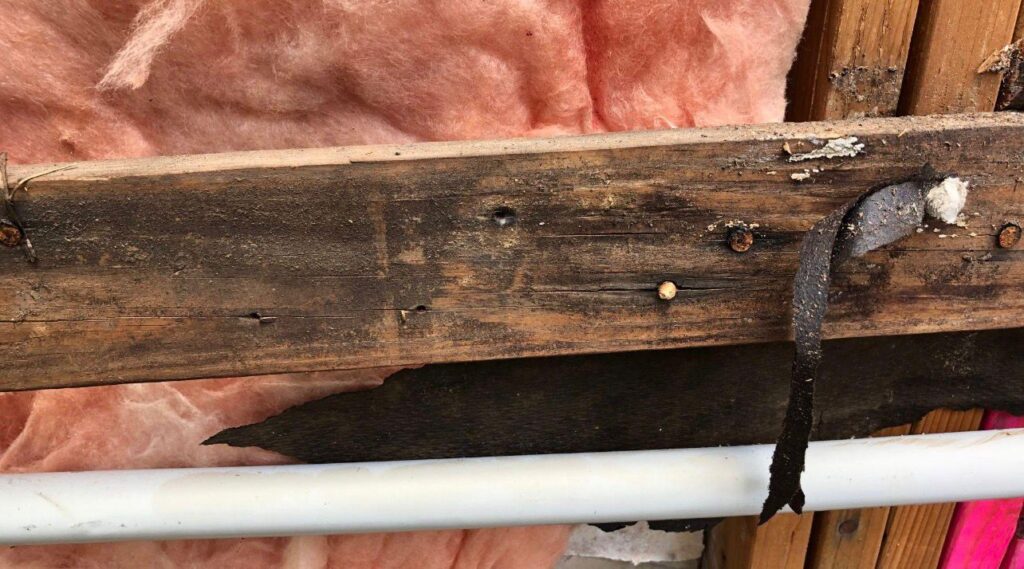
Mold After Hurricanes in Rockledge: What Homeowners in Brevard County Should Know
If you’ve lived in Rockledge for more than a few years, you already understand hurricane season isn’t just a headline — it’s part of life in Brevard County.
When a storm passes through, most homeowners focus on the obvious damage: roofing, fencing, siding, fallen trees. But what often goes unnoticed is what happens inside the home in the days and weeks after the rain stops.
Mold growth after hurricanes is one of the most common issues we see across Rockledge, Merritt Island, Cocoa, Palm Bay, and even coastal areas like Satellite Beach and Cape Canaveral. And it doesn’t always start with visible flooding.
Let’s walk through why mold develops after storms in Brevard County, what signs to watch for, and how to approach it calmly and correctly.
What Happens Inside a Home After a Hurricane
Hurricanes bring three major moisture sources into your home:
- Heavy rainfall
- Wind-driven water intrusion
- Extended high humidity
Even if your home in Rockledge didn’t flood, water can still enter through:
- Roof flashing
- Window seals
- Door thresholds
- Soffits and vents
- Exterior wall penetrations
The surfaces may dry quickly, especially once the sun returns. But insulation, drywall backing, subfloors, and attic materials often remain damp long after visible water disappears.
That trapped moisture is what leads to mold growth.
Why Mold Grows So Quickly in Brevard County
Florida’s climate accelerates mold growth after storms.
Here’s why.
Persistent Humidity
After a hurricane, humidity levels often remain high for days or weeks. Even if you run your AC constantly in Rockledge or Viera, the air may still carry elevated moisture.
When indoor humidity stays above 60%, mold has favorable conditions to develop.
Warm Temperatures
Brevard County rarely cools down significantly after storms. Warm temperatures combined with moisture create ideal conditions for mold growth on drywall, wood, and insulation.
AC System Strain
Air conditioning systems work overtime after hurricanes. If drain lines clog or condensate pans overflow, additional moisture can accumulate inside walls and ceilings.
In homes across Palm Bay and Melbourne, we often see AC-related moisture compounding storm-related damage.
Slab Foundations and Crawl Spaces
Many Rockledge homes sit on slab foundations. When ground becomes saturated after heavy rainfall, moisture can rise through concrete and affect flooring materials.
Raised homes and older properties in Merritt Island may also experience increased crawl space moisture following storms.
Common Signs of Mold After a Hurricane
Mold does not always appear immediately.
In Brevard County homes, we typically see signs developing within days to a few weeks after a storm.
Watch for:
- Musty odors that weren’t present before
- Bubbling or peeling paint
- Warped baseboards
- Soft drywall spots
- Ceiling stains
- Discoloration around window frames
- Flooring that feels damp or uneven
In Rockledge homes, odor is often the first clue. A lingering earthy smell in one room can indicate hidden moisture behind walls.
If the smell intensifies after rain, that’s an important sign moisture remains active.
Hidden Areas Most Affected After Hurricanes
Storm-related mold is often concealed in places homeowners don’t immediately check.
Behind Exterior Walls
Wind-driven rain can soak insulation without leaving obvious interior damage.
Over time, mold grows inside the wall cavity.
Attics
Roof leaks — even minor ones — allow moisture into attic insulation and wood framing.
In homes across Cocoa and Satellite Beach, attic mold is commonly discovered weeks after roof repairs.
Under Flooring
Water entering through sliding glass doors or thresholds may soak subfloor materials.
Slab moisture combined with storm saturation increases risk under laminate and carpet.
HVAC Ductwork
High humidity and prolonged AC use after storms can cause duct sweating inside attics.
Moisture on cold metal surfaces promotes mold growth on surrounding materials.
Cabinets and Built-Ins
Kitchen and bathroom cabinets along exterior walls are especially vulnerable after hurricanes.
Small amounts of trapped moisture may go unnoticed until staining appears.
Why Quick Surface Cleaning Isn’t Enough
After a storm, homeowners often clean visible surfaces and assume everything is dry.
The problem is that mold develops where moisture remains — not necessarily where water was visible.
Spraying bleach on drywall:
- Does not penetrate porous materials
- Does not dry insulation
- Does not address hidden moisture
Painting over water stains traps moisture inside the wall.
In Florida’s humid environment, untreated damp materials become mold sources quickly.
The key isn’t surface cleaning — it’s moisture detection and correction.
How Professional Mold Inspection Works After a Hurricane
When evaluating post-hurricane conditions in Rockledge homes, a structured inspection is essential.
At Brevard Mold Inspections & Removal, the focus is always on identifying moisture sources first.
Visual Assessment
Inspecting ceilings, walls, baseboards, and attic spaces for signs of water intrusion.
Moisture Mapping
Using professional moisture meters to detect elevated moisture levels behind drywall and under flooring.
Thermal imaging can help identify temperature differences indicating trapped moisture.
Attic and Crawl Space Evaluation
Checking insulation, roof decking, ductwork, and ventilation for storm-related moisture buildup.
Air or Surface Sampling (When Appropriate)
If indoor odors persist or hidden mold is suspected, sampling may provide clarity about indoor mold levels.
Not every home requires testing, but it can be useful when damage is unclear.
Proper Mold Remediation After Hurricanes
If mold is confirmed, remediation must address both contamination and moisture sources.
This typically includes:
- Containment of affected areas
- Removal of damaged materials when necessary
- Cleaning structural framing
- HEPA filtration
- Thorough drying
- Correcting ventilation or drainage issues
Drying is critical. Materials must reach appropriate moisture levels before repairs are completed.
In Brevard County, dehumidification and airflow management are essential components of successful remediation.
Preventing Mold After Future Storms
You can’t prevent hurricanes in Rockledge — but you can reduce mold risk afterward.
Here are practical steps:
- Inspect roof and attic immediately after storms
- Check ceilings and exterior walls for dampness
- Open cabinets along exterior walls
- Run dehumidifiers if indoor humidity remains high
- Ensure AC drain lines are clear
- Dry wet materials within 24–48 hours
- Inspect crawl spaces if your home has one
- Avoid covering water stains without drying first
Quick moisture management significantly reduces long-term mold risk.
Why Local Experience Matters in Brevard County
Hurricane-related mold issues in Rockledge differ from those in inland states.
Here, we deal with:
- Wind-driven coastal rain
- High water tables
- Slab moisture transmission
- Continuous AC operation
- Extended humidity after storms
Understanding these Florida-specific factors changes how inspections are conducted and how remediation plans are developed.
Homes in Rockledge differ from waterfront properties in Cape Canaveral or newer builds in Viera. Each responds to storm moisture differently.
Local experience ensures attention is placed where Brevard County homes are most vulnerable.
A Calm, Practical Next Step
If your Rockledge home experienced heavy rain, roof damage, or high humidity after a hurricane, and you’ve noticed odors or signs of moisture, it’s worth having conditions evaluated.
Most post-storm mold issues are manageable when addressed early.
There’s no need for alarm — but there is value in clarity.
A professional inspection helps you understand whether moisture remains hidden and what steps, if any, are needed to stabilize your home.
If you’d like a thorough post-hurricane assessment, Brevard Mold Inspections & Removal provides local, experienced inspections tailored specifically to Brevard County conditions.
Living in Florida means preparing for storms — and managing the moisture they leave behind.