
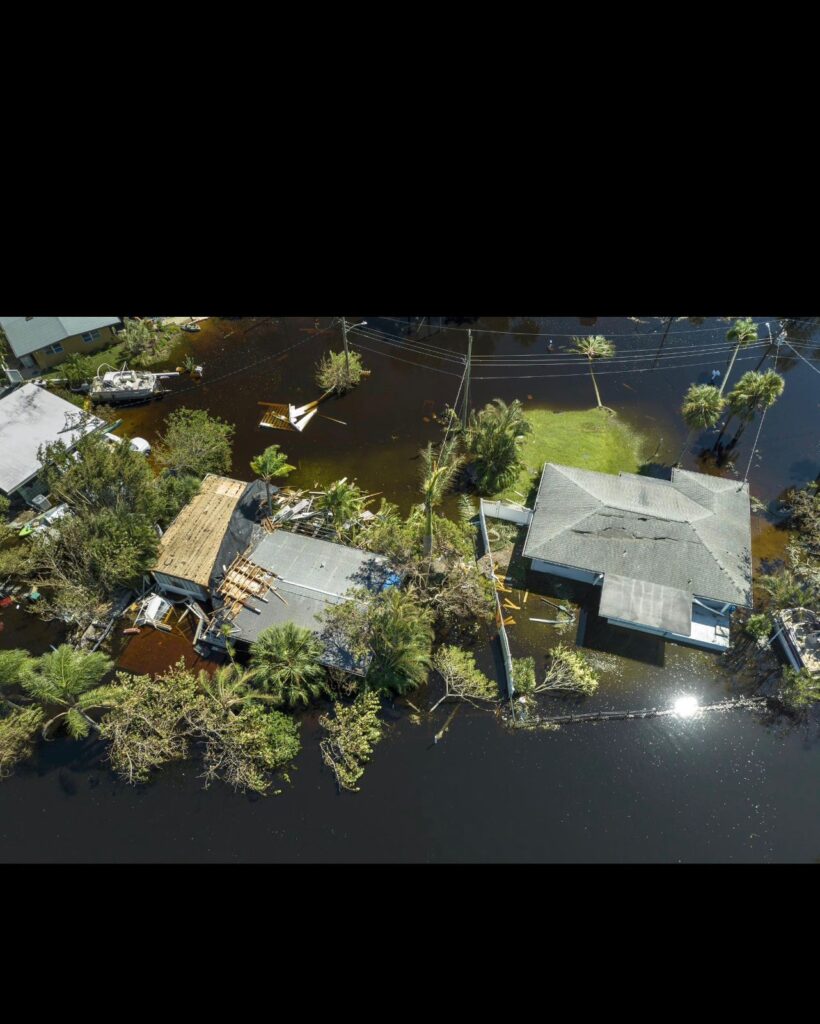
Mold After Hurricanes in Rockledge: What Homeowners in Brevard County Should KnowHurricanes create perfect conditions for mold growth in homes across Rockledge and Brevard County. Even when floodwaters never enter the house, wind-driven rain, roof damage, power outages, and prolonged humidity can leave moisture trapped inside walls, floors, and HVAC systems. Mold can begin growing within 24–48 hours after a storm, often long before visible signs appear.This guide explains why mold is so common after hurricanes, where it hides, how it affects health and property, and what Rockledge homeowners should do to reduce long-term damage.⸻Why Hurricanes Lead to Mold So QuicklyHurricanes introduce moisture in multiple ways at once.Common post-storm moisture sources include: • Wind-driven rain entering through roofs, vents, and windows • Roof shingle and flashing damage • Water intrusion around doors and sliding glass doors • Flooding or surface water intrusion • Plumbing backups or overflows • Power outages stopping AC and dehumidification • High outdoor humidity lingering for days or weeksEven small openings can allow large amounts of moisture into building materials.⸻How Mold Develops After a HurricaneMold growth doesn’t require standing water.After a hurricane: • Wet drywall and insulation trap moisture • Flooring holds water underneath • Wall cavities stay damp • Attics collect moisture from roof leaks • HVAC systems remain off during outages • Indoor humidity spikes above safe levelsWhen materials stay damp, mold spreads quietly and quickly.⸻Common Places Mold Hides After StormsPost-hurricane mold is often hidden.High-risk areas include: • Behind drywall and baseboards • Under laminate, tile, and carpet • Inside wall cavities near windows and doors • Attics and roof decking • Crawl spaces • Inside HVAC systems and ductwork • AC closets and air handlers • Under cabinets and vanitiesVisible mold usually represents only a portion of total growth.⸻Warning Signs Mold May Be DevelopingVisual Indicators • Dark stains on ceilings or walls • Bubbling or peeling paint • Warped drywall or flooring • Baseboards pulling away from wallsOdors • Musty or earthy smells • Odors stronger after rain • Smells noticeable when AC runsIndoor Air Changes • Damp or heavy indoor air • Increased allergy or respiratory symptoms • Discomfort that improves when leaving the home⸻Why Power Outages Increase Mold RiskLoss of power after hurricanes is a major mold trigger.Without electricity: • AC systems cannot remove humidity • Indoor moisture builds rapidly • Damp materials remain wet longer • Air circulation stopsHomes can reach mold-friendly humidity levels within hours during outages.⸻Water Damage Cleanup vs. Mold RemediationThese are not the same.Water damage cleanup focuses on: • Removing standing water • Drying exposed surfacesMold remediation focuses on: • Finding hidden moisture • Containing mold spores • Removing contaminated materials • Protecting indoor air quality • Preventing regrowthAfter hurricanes, many homes need both.⸻Health Risks of Post-Hurricane MoldProlonged exposure may cause: • Coughing or wheezing • Nasal congestion or sinus irritation • Eye or throat irritation • Headaches • Worsening asthma or allergies • FatigueChildren, seniors, and people with respiratory conditions are more vulnerable.⸻Why DIY Mold Cleanup After Hurricanes Is RiskyDIY cleanup often spreads mold further.Common mistakes include: • Scrubbing mold without containment • Using bleach on porous materials • Running fans that spread spores • Painting over stains • Ignoring hidden moisture • Discarding materials before documentationImproper cleanup can worsen health risks and insurance issues.⸻Mold Testing After HurricanesTesting is not always required.Testing may help when: • Mold is suspected but not visible • Odors persist after drying • Health symptoms appear • Documentation is needed for insurance or real estate • Mold is suspected in HVAC systems or wallsVisible mold usually justifies remediation without testing.⸻Insurance and Mold After HurricanesCoverage depends on the cause of water intrusion.✔ Often covered if mold results from sudden storm-related damage❌ Often denied if caused by flooding without flood insurance, delayed mitigation, or long-term moistureImportant steps: • Document damage immediately • Take photos and videos before cleanup • Notify insurance promptly • Keep all inspection and remediation recordsPrompt action improves claim outcomes.⸻What to Do Immediately After a HurricaneThe first 48 hours are critical.Immediate steps: • Inspect for roof, window, and door damage • Stop active leaks • Remove standing water • Dry affected areas thoroughly • Use dehumidifiers and air movement • Monitor indoor humidity • Check attics, closets, and AC systemsEarly drying greatly reduces mold risk.⸻Long-Term Mold Prevention After StormsOngoing prevention includes: • Keeping indoor humidity between 30–50% • Maintaining AC and drain lines • Inspecting roofs and seals regularly • Sealing exterior openings • Using dehumidifiers during recovery • Scheduling post-storm inspections • Addressing odors immediatelyStorm recovery is not complete until moisture is controlled.⸻Why Early Action MattersDelays allow mold to spread.Consequences include: • Structural material damage • HVAC contamination • Poor indoor air quality • Higher remediation costs • Health complaints • Insurance disputesEarly intervention limits damage and expense.⸻Final ThoughtsMold after hurricanes is a common issue for homeowners in Rockledge and throughout Brevard County. Wind-driven rain, power outages, and lingering humidity allow moisture to penetrate homes in ways that aren’t always obvious.Prompt inspection, thorough drying, proper remediation, and long-term moisture control help prevent hurricane damage from turning into costly mold problems and protect both indoor air quality and the long-term condition of your home.