
Mold After Water Damage in : What Homeowners in Should Know
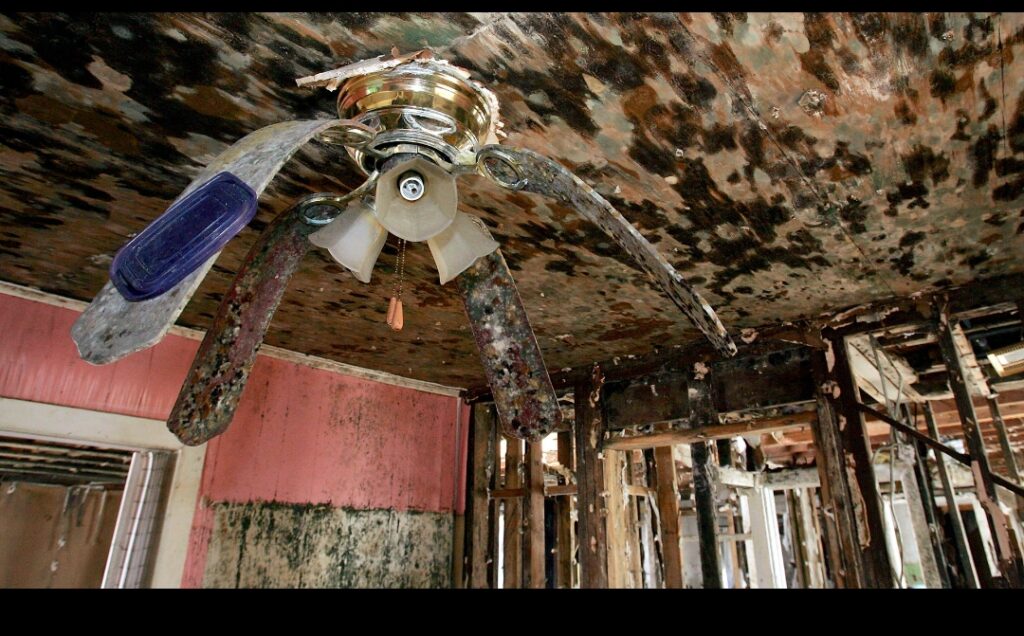
Water damage is one of the fastest ways mold problems start in Melbourne homes. Many homeowners focus on drying visible water and fixing the obvious damage, but mold often begins growing out of sight, long before stains or odors appear.
In Brevard County’s humid climate, water-damaged materials don’t dry easily. That delay creates ideal conditions for mold growth—sometimes within just a few days.
Why mold forms so quickly after water damage
Mold needs three things to grow:
- Moisture
- Organic material (like drywall or wood)
- Warm temperatures
After water damage, Melbourne homes provide all three. Even small leaks or minor flooding can leave moisture trapped inside walls, floors, or ceilings.
Mold can begin growing in as little as 24–72 hours if materials stay damp.
Common sources of water damage in Melbourne homes
Water damage doesn’t always come from major floods. We frequently see mold develop after:
- Roof leaks during heavy storms
- Plumbing leaks behind walls
- AC drain line backups
- Appliance failures (washers, water heaters)
- Window or door leaks
Because the water source may be hidden, homeowners often underestimate the damage.
Areas most likely to develop mold after water damage
In Melbourne homes, mold is commonly found:
- Behind drywall and baseboards
- Under flooring and carpet padding
- Inside cabinets and vanities
- In attics after roof leaks
- Inside HVAC systems exposed to moisture
Drying the surface does not mean these areas are dry.
Why “dry to the touch” isn’t dry enough
One of the biggest mistakes homeowners make is assuming that once a surface feels dry, the problem is solved. In reality:
- Drywall can hold moisture internally
- Insulation can stay wet for weeks
- Wood framing can absorb water deeply
Without proper drying, mold growth continues behind the scenes.
Signs mold may be developing after water damage
Warning signs often appear days or weeks later, including:
- Musty or earthy odors
- Discoloration on walls or ceilings
- Peeling paint or bubbling drywall
- Increased allergy or respiratory symptoms
- Persistent humidity indoors
These signs usually mean moisture was not fully removed.
Why delaying action makes mold worse
Waiting after water damage allows mold to:
- Spread into additional materials
- Increase spore levels in the air
- Damage structural components
- Raise remediation costs
The longer materials stay wet, the more extensive the mold problem becomes.
DIY drying and cleanup: where it falls short
Fans and household dehumidifiers help, but they often can’t:
- Dry inside wall cavities
- Reach under flooring
- Remove moisture from insulation
- Prevent mold growth in hidden areas
DIY efforts may slow mold growth—but rarely stop it completely.
When professional inspection is necessary
Homeowners should consider a mold inspection after water damage if:
- Water reached walls, floors, or ceilings
- The source of the leak is unclear
- Odors develop days later
- Mold appears after initial cleanup
- Health symptoms begin
Inspections help determine whether moisture remains and where mold may be forming.
How mold problems are properly addressed after water damage
Effective post-water-damage solutions often include:
- Moisture testing inside walls and floors
- Targeted drying and dehumidification
- Removal of water-damaged materials
- Cleaning and treatment of affected areas
- Fixing the original water source
Addressing only visible damage almost always leads to mold returning.