

Mold After Water Damage in Melbourne: What Homeowners in Brevard County Should Know
Water damage is one of the most common starting points for mold problems in Melbourne homes. A leaking pipe, a roof issue after a storm, an overflowing AC drain, or even minor flooding can introduce enough moisture for mold to begin growing within days. In Brevard County’s warm, humid climate, mold after water damage is not an exception — it’s a frequent outcome when moisture is not fully addressed.
Many Melbourne homeowners believe that once visible water is cleaned up and surfaces appear dry, the problem is solved. Unfortunately, mold often develops behind walls, under floors, or above ceilings long before any visible signs appear. Understanding how mold forms after water damage, where it hides, and what steps truly matter can help homeowners avoid long-term damage and repeated issues.
How Mold Develops After Water Damage
Mold does not need standing water to grow. All it needs is moisture, organic material, and time. After water damage, materials such as drywall, wood framing, insulation, and flooring absorb moisture quickly.
In Melbourne homes, mold growth can begin within 24 to 48 hours after a water intrusion. Florida’s heat and humidity slow drying and accelerate growth, especially when moisture becomes trapped inside building materials.
Even when surfaces feel dry to the touch, moisture can remain deep inside walls or flooring. This hidden moisture is what allows mold to grow quietly and spread.
Why Melbourne Homes Are Especially Vulnerable
Melbourne’s location and climate create ideal conditions for mold after water damage. High humidity is present much of the year, even during dry weather. This makes it harder for homes to dry naturally after a leak or spill.
Heavy rainstorms and tropical systems are common in Brevard County. Wind-driven rain can enter through roofs, windows, doors, and small exterior gaps, even when there is no obvious flooding.
Air conditioning systems also contribute. AC units remove humidity, but clogged drain lines, overflowing pans, or duct condensation can introduce water into walls and ceilings. Slab foundations, common in Melbourne, can allow moisture to migrate upward after heavy rainfall.
All of these factors increase the likelihood of mold following water damage.
Common Water Damage Events That Lead to Mold
Not all water damage is dramatic. Many mold problems begin with issues that seem minor at first.
Plumbing leaks under sinks, behind toilets, or inside walls are frequent causes. Roof leaks after storms often soak attic insulation long before ceiling stains appear. AC drain line backups can repeatedly wet the same area without being noticed.
Appliance failures, such as washing machine overflows or water heater leaks, can saturate floors and baseboards quickly. Even small amounts of water that are not dried properly can lead to mold growth in Melbourne’s climate.
Signs Mold May Be Growing After Water Damage
Mold does not always show up right away. One of the earliest signs homeowners notice is a persistent musty or damp odor that doesn’t improve with cleaning or ventilation.
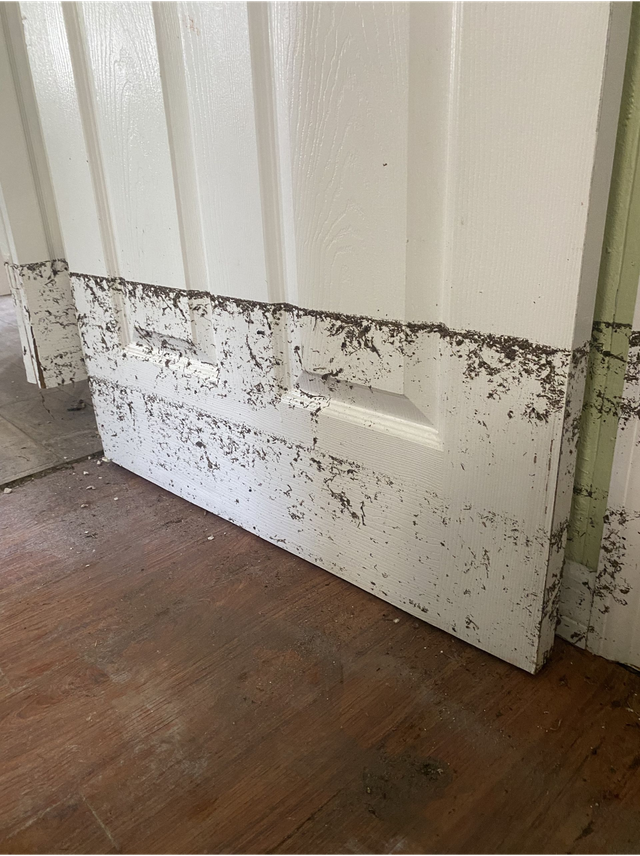
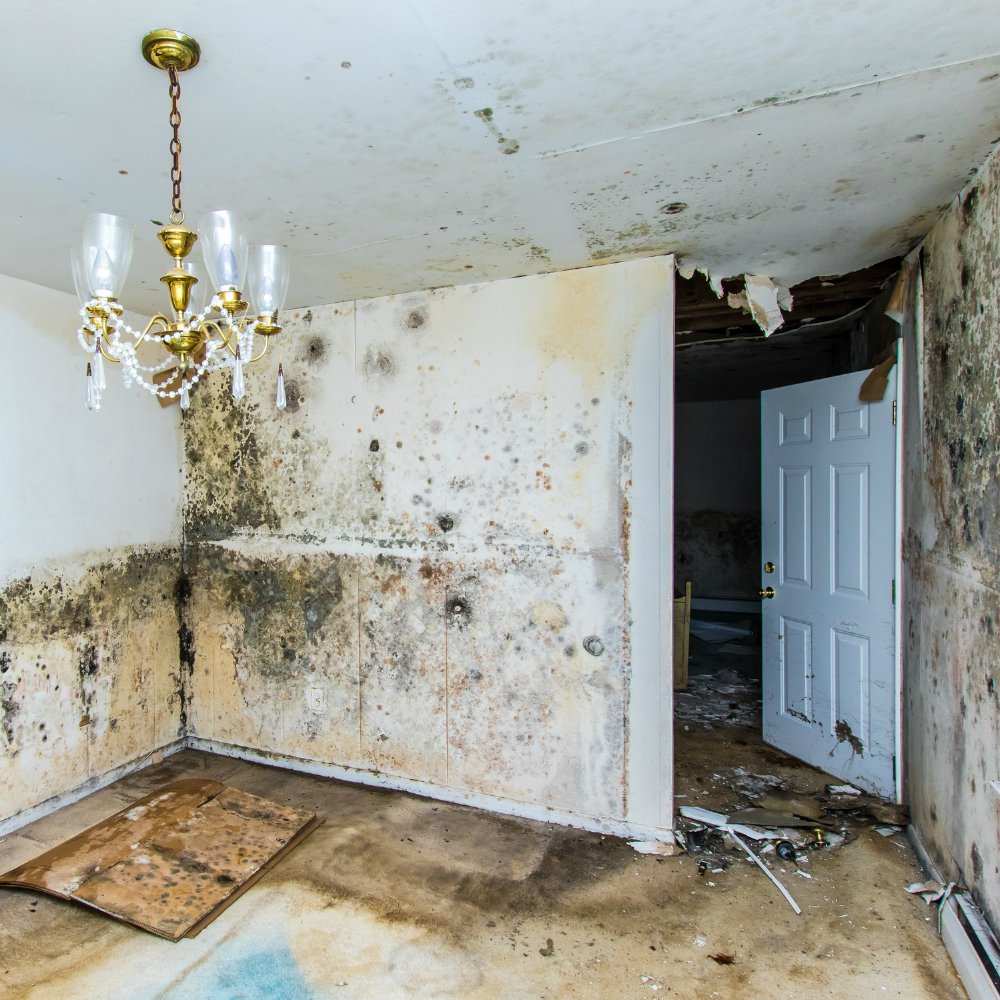
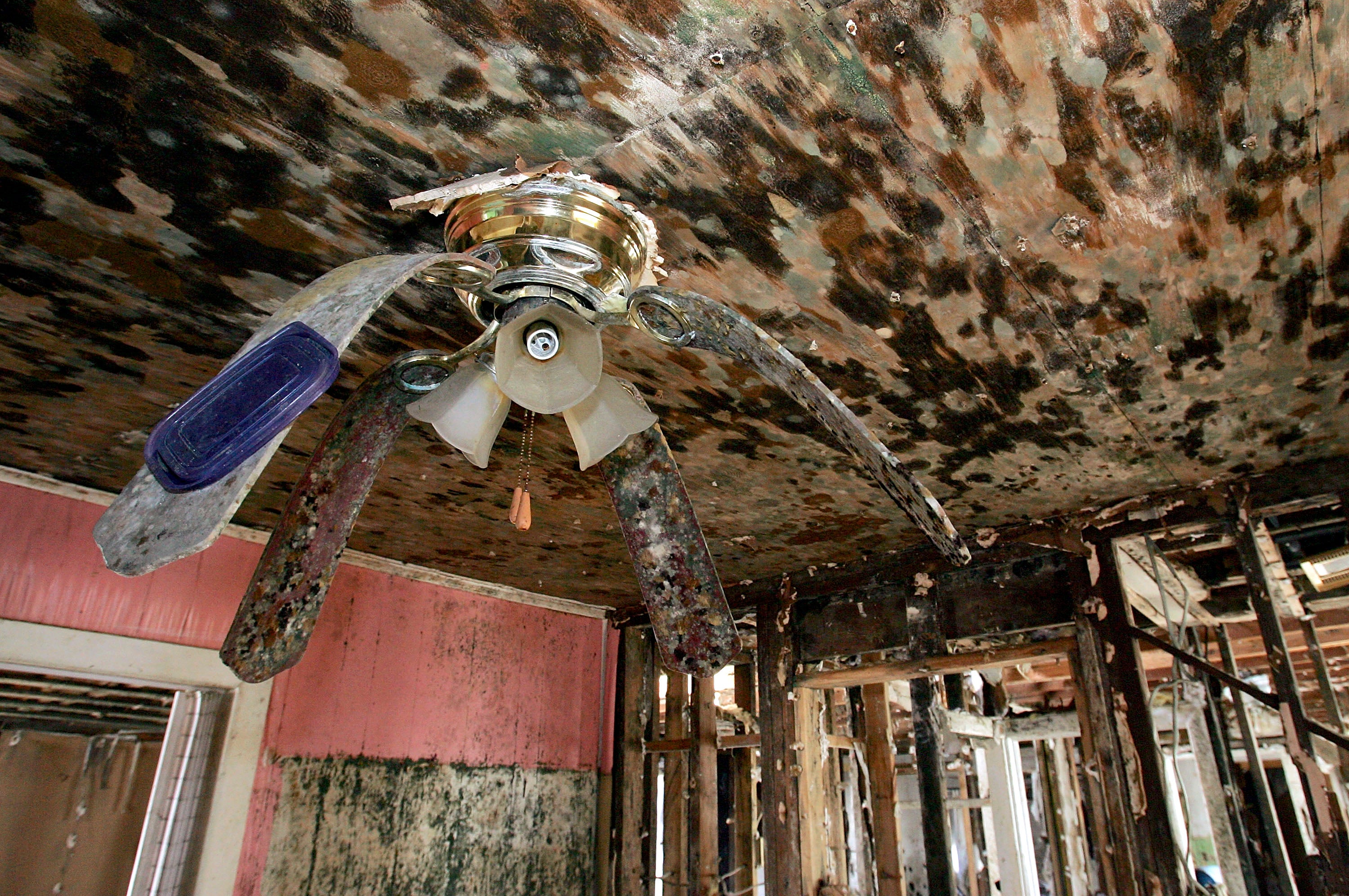
Visual signs may include staining on drywall, bubbling or peeling paint, warped baseboards, or flooring that feels soft or uneven. Some rooms may feel more humid than others, even when the AC is running.
Condensation on windows, vents, or walls can also indicate lingering moisture that may be feeding hidden mold growth.
Where Mold Commonly Hides After Water Damage
After water damage, mold rarely stays on the surface. Behind drywall is one of the most common locations, as water can travel inside wall cavities and spread moisture downward.
Under flooring is another frequent problem area. Carpet, laminate, and wood flooring can trap moisture underneath, allowing mold to grow unnoticed for long periods.
Attics are often affected after roof leaks. Wet insulation and limited airflow create ideal conditions for mold on roof decking and framing.
HVAC systems can also become involved when moisture enters air handlers, drain pans, or ductwork, allowing mold to spread throughout the home.
Why Drying Alone Is Often Not Enough
Many homeowners focus on drying visible water, which is important, but not always sufficient. Moisture often remains trapped inside materials long after surfaces appear dry.
Fans and dehumidifiers help, but without moisture detection tools, it’s difficult to know whether materials have fully dried. In Florida’s climate, partially damp materials can stay wet long enough for mold to develop.
This is why mold after water damage is so common in Melbourne, even when cleanup appears thorough.
Professional Mold Inspection After Water Damage
A professional mold inspection focuses on identifying hidden moisture and early mold growth after water damage. This includes inspecting walls, floors, attics, and HVAC systems.
Moisture meters and thermal imaging tools help locate damp materials that are not visible to the eye. These tools are especially important in slab homes, where moisture movement is difficult to detect.
In some situations, air or surface sampling may be used to better understand the extent of mold growth. Laboratory analysis provides objective information that supports decision-making.
An inspection helps homeowners understand whether mold has developed and how far moisture has spread.
Proper Mold Remediation After Water Damage
Effective mold remediation addresses both the mold and the moisture source. Containment is used to prevent mold spores from spreading during removal.
Mold-affected materials are cleaned or removed depending on severity. Drywall, insulation, or flooring may need to be removed if contamination is deep.
Correcting the water issue is critical. This may involve plumbing repairs, roof repairs, AC maintenance, or drainage improvements. Without moisture control, mold is likely to return.
Brevard Mold Inspections & Removal approaches post–water damage mold with a prevention-focused mindset, helping homeowners stabilize conditions rather than apply temporary fixes.
Preventing Mold After Future Water Damage
Quick action is the most important factor. Any water intrusion should be addressed immediately, even if it seems minor.
Drying should begin as soon as possible, and affected areas should be monitored for lingering moisture. After storms, attics, ceilings, and areas around windows and doors should be inspected.
Regular AC maintenance helps prevent condensation issues. Keeping gutters clear and ensuring proper drainage around the home also reduces risk.
In Melbourne homes, moisture management is an ongoing responsibility.
Why Local Experience in Brevard County Matters
Mold after water damage behaves differently in Florida than in drier regions. High humidity, slab foundations, and local construction styles all influence how moisture spreads and how mold develops.
Local experience means understanding where mold is most likely to appear after water damage in Melbourne homes. It also means knowing which solutions work long-term in Brevard County’s climate.
Professionals familiar with local conditions can identify risks early and recommend practical, effective solutions.
A Calm, Practical Next Step
If your Melbourne home has experienced water damage — even if it seemed minor — it’s important to understand what may be happening beneath the surface. A professional inspection can provide clarity before mold becomes a larger issue.
Homeowners across Brevard County benefit from early assessment rather than waiting for visible mold to appear. Brevard Mold Inspections & Removal helps homeowners evaluate mold risk after water damage and take practical steps to protect their homes.
Addressing mold early after water damage helps limit repairs, reduce disruption, and restore peace of mind.