
Mold After Water Damage in Melbourne: What Homeowners in Brevard County Should Know
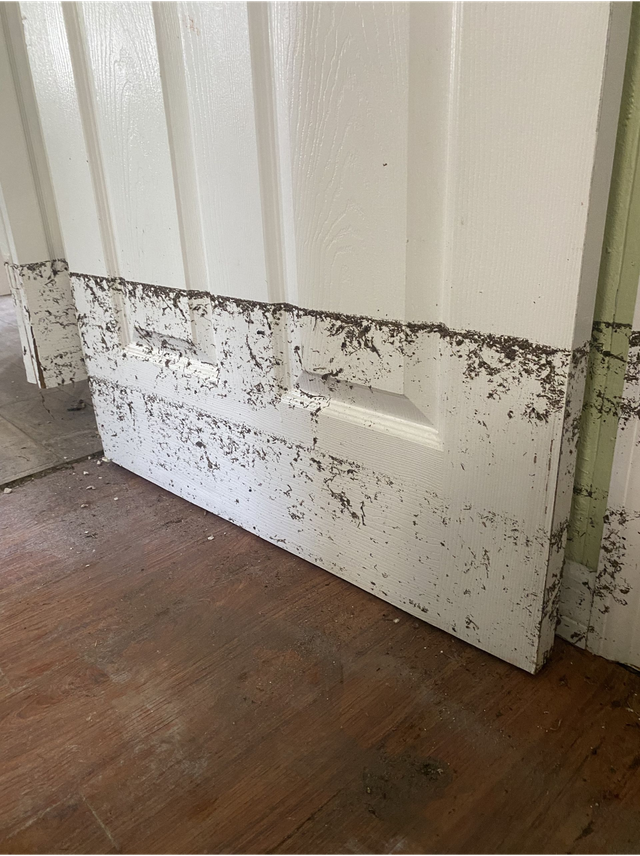
Water damage is one of the most common triggers for mold problems in Melbourne homes. A pipe leak, roof issue, overflowing AC drain, or storm-related intrusion can seem minor at first. The water gets cleaned up, the surface dries, and life moves on. Weeks later, a musty odor appears, stains show up on a ceiling, or mold starts returning no matter how often it’s cleaned.
In Brevard County’s humid climate, mold after water damage is less about the size of the leak and more about how moisture behaves afterward. Understanding why mold develops, where it hides, and what actually stops it helps homeowners avoid repeated issues and unnecessary stress.
Why Mold Often Appears After Water Damage
Mold doesn’t need standing water to grow. It only needs moisture that stays long enough for spores to settle and feed.
After water damage, moisture often remains trapped inside materials even when surfaces feel dry. Drywall, insulation, wood framing, and flooring absorb water quickly and release it slowly. In Melbourne’s humidity, drying takes longer than most homeowners expect.
When materials stay damp for more than a short period, mold can begin growing within 24 to 48 hours.
Common Water Damage Sources in Melbourne Homes
Plumbing leaks are one of the most frequent causes. Slow leaks under sinks, behind walls, or around water heaters can release moisture quietly for days or weeks.
Roof leaks often follow storms. Missing shingles, damaged flashing, or small punctures allow rain to soak insulation and framing without immediate ceiling stains.
Air conditioning systems are another major contributor. Clogged drain lines, overflowing pans, or condensation issues can introduce water inside walls, ceilings, and HVAC closets.
Appliance failures, such as washing machines or dishwashers, also commonly lead to water damage that triggers mold later.
Why Drying Is More Difficult in Brevard County
Florida’s humidity works against drying efforts.
Even when fans are running and surfaces appear dry, moisture can remain inside building materials. Outdoor air often contains more moisture than indoor air, slowing evaporation when windows or doors are opened.
Power outages after storms make the problem worse. Without air conditioning, indoor humidity rises quickly, allowing damp materials to stay wet longer.
This is why mold can appear days or weeks after water damage seems resolved.
Where Mold Commonly Develops After Water Damage
Behind drywall is one of the most common locations. Water travels downward inside wall cavities, allowing mold to grow out of sight.
Under flooring is another frequent problem area. Carpet padding, laminate underlayment, and wood flooring trap moisture against subfloors.
Attics may be affected when roof leaks soak insulation or when moisture rises from below. Mold often appears on roof decking and framing before ceilings show damage.
HVAC systems can also be impacted. Moisture inside air handlers, drain pans, and ductwork supports mold growth that spreads odors throughout the home.
Early Signs Mold May Be Developing
Musty or earthy odors are often the first warning sign. These smells may be stronger after rain or when the AC runs.
Homeowners may notice discoloration on walls or ceilings, bubbling paint, peeling finishes, or warped baseboards.
Some rooms may feel more humid or uncomfortable than others, even when cooling appears normal.
These signs often appear before visible mold growth becomes obvious.
Why Mold Is Often Missed After Water Damage
Once visible water is cleaned up, many homeowners assume the problem is over.
Without moisture detection tools, it’s difficult to confirm that materials dried fully. Drywall can feel dry on the surface while remaining damp inside.
In Melbourne homes, mold after water damage is often discovered later during inspections, renovations, or when odors become impossible to ignore.
By that point, mold has usually had time to spread beyond the original wet area.
Why Cleaning Visible Mold Doesn’t Solve the Problem
Surface cleaning may remove discoloration, but it rarely fixes mold after water damage.
Household cleaners and bleach do not penetrate porous materials like drywall, wood, insulation, or grout backing. Mold roots remain active beneath the surface.
Bleach also adds moisture, which can feed mold growth below the surface. This is why mold often comes back darker or more widespread after DIY cleaning.
Cleaning addresses appearance, not moisture.
How DIY Cleanup Can Make Things Worse
DIY mold cleanup is one of the most common reasons water-damage mold problems expand.
Scrubbing mold without containment releases spores into the air. In homes with central air, spores can spread through the HVAC system to other rooms.
DIY efforts also miss hidden mold and do not correct moisture conditions. This allows mold to continue growing out of sight while appearing temporarily improved.
In Brevard County’s climate, DIY cleanup often increases long-term costs rather than reducing them.
The Importance of a Professional Mold Inspection
A professional mold inspection focuses on moisture first.
Inspectors evaluate areas affected by water damage, along with walls, ceilings, flooring, attics, and HVAC systems. Moisture meters help identify damp materials that look dry on the surface.
Thermal imaging may be used to locate temperature differences that suggest moisture intrusion. When appropriate, air or surface sampling can support findings.
The goal is understanding where moisture remains and how far mold may have spread.
Mold Remediation After Water Damage
Proper remediation addresses both mold growth and the moisture that caused it.
Containment prevents mold spores from spreading during work. Mold-affected materials may be cleaned or removed depending on severity and material type.
Materials that cannot be effectively cleaned, such as heavily contaminated drywall or insulation, are typically removed to prevent ongoing problems.
Just as important, moisture sources must be corrected. This may involve plumbing repairs, roof repairs, HVAC servicing, ventilation improvements, or humidity control.
Brevard Mold Inspections & Removal approaches post-water-damage mold with a prevention-focused mindset rather than surface-level cleanup.
Why Verification Matters After Drying and Remediation
Drying and remediation are only effective when conditions are verified.
Moisture levels should be checked to ensure materials are truly dry. Without verification, mold can return even after professional work.
In Melbourne homes, verification is especially important due to high ambient humidity and slow drying conditions.
Preventing Mold After Future Water Damage
Preparation and quick response make a big difference.
After any water event:
- Stop the water source immediately
- Begin drying as soon as possible
- Monitor indoor humidity
- Check hidden areas like walls, floors, and attics
HVAC systems should be inspected to ensure drain lines are clear and components are drying properly.
Regular maintenance and prompt repairs reduce the risk of repeat problems.
Why Local Experience in Brevard County Matters
Mold after water damage behaves differently in Florida than in dry climates.
Melbourne homes face high humidity, frequent storms, slab foundations, and long cooling seasons. Local experience helps identify where moisture typically lingers and how mold develops here.
Generic advice often fails in Brevard County’s environment.
A Calm, Practical Takeaway
Mold after water damage in Melbourne is common, but it’s not mysterious. It almost always points to moisture that didn’t fully dry or wasn’t detected.
If your home experienced water damage and now has odors, staining, or recurring mold, it’s a sign that deeper conditions need attention. Early assessment prevents small issues from becoming major repairs.
Homeowners across Brevard County benefit from understanding how water damage and mold are connected. Brevard Mold Inspections & Removal helps homeowners identify moisture issues, address mold correctly, and protect their homes long-term.
Handled properly, mold after water damage becomes a manageable building issue — not a recurring problem that keeps coming back.