
Mold After Water Damage in Merritt Island: What Homeowners in Brevard County Should Know
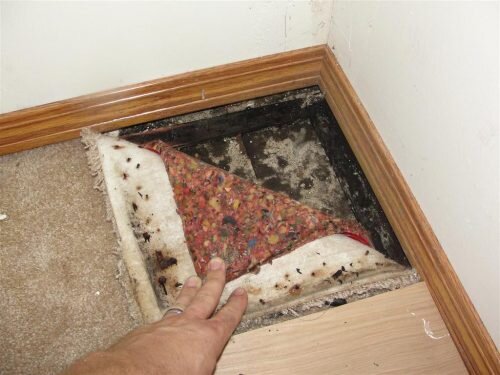
Water damage is one of the leading causes of mold growth in homes across Merritt Island and Brevard County. Whether the source is a plumbing leak, storm damage, roof failure, or AC issue, water intrusion creates the perfect environment for mold to grow — often within days, and sometimes without any visible warning signs.
Many homeowners focus on drying visible water and repairing surfaces, but mold often develops behind walls, under floors, and inside attics long after everything looks dry. Understanding how mold forms after water damage — and what steps to take immediately — can protect your home, health, and finances.
Why Water Damage Leads to Mold So Quickly in Merritt Island
Merritt Island’s environment accelerates mold growth after water damage due to:
- High year-round humidity
- Warm indoor temperatures
- Coastal and lagoon moisture
- Limited airflow in wall cavities and attics
- Slab construction trapping moisture
When water enters a home, moisture becomes absorbed into drywall, insulation, wood framing, and flooring — materials mold feeds on.
How Fast Mold Grows After Water Damage
One of the biggest misconceptions homeowners have is that mold takes weeks to develop. In reality:
- Mold can begin growing within 24–48 hours
- Warm, humid conditions speed up growth
- Hidden moisture allows mold to spread unnoticed
In Merritt Island homes, mold often becomes established before visible signs appear.
Common Sources of Water Damage That Lead to Mold
Mold after water damage is commonly linked to:
- Burst or leaking pipes
- Roof leaks after storms
- Wind-driven rain
- AC drain line backups
- Appliance leaks (washing machines, water heaters)
- Toilet or sink overflows
- Flooding or standing water
Even small leaks can cause serious mold problems if moisture remains trapped.
Where Mold Hides After Water Damage
After water intrusion, mold is often found in places homeowners can’t see, including:
- Behind drywall and insulation
- Under tile, laminate, or carpet
- Inside baseboards and trim
- In attics and roof decking
- Inside closets on exterior walls
- In HVAC systems and ductwork
By the time mold becomes visible, contamination is often widespread.
Health Risks of Mold After Water Damage
Mold exposure can negatively affect indoor air quality and health. Common symptoms include:
- Sneezing or coughing
- Nasal congestion
- Eye or throat irritation
- Headaches
- Fatigue
- Worsened asthma or allergies
Children, seniors, and people with respiratory conditions are particularly sensitive to mold exposure following water damage.
Why Drying Alone Is Not Enough
Many homeowners assume that once water is dried, the problem is solved. Unfortunately, drying visible surfaces does not guarantee hidden areas are dry.
Problems with surface-only drying include:
- Moisture trapped inside walls
- Damp insulation left in place
- Flooring holding moisture underneath
- Hidden mold growth continuing unseen
Without proper moisture detection, mold can continue growing long after cleanup.
Why DIY Cleanup Can Make Mold Worse
DIY cleanup after water damage often increases mold risks.
Common mistakes include:
- Removing wet materials without containment
- Scrubbing visible mold, spreading spores
- Using bleach on porous materials
- Ignoring moisture behind walls
- Running fans that blow spores throughout the home
Improper cleanup can turn a localized issue into whole-home contamination.
Mold and Insurance Claims in Merritt Island
Homeowners insurance may cover mold if it results from a sudden, accidental water event, such as:
- A burst pipe
- Storm-related roof damage
- Sudden AC overflow
However, claims are often denied when:
- Water damage wasn’t reported promptly
- Mold is linked to long-term leaks
- DIY cleanup destroyed evidence
- Moisture was considered maintenance-related
Documenting water damage immediately and seeking professional assessment helps protect claim eligibility.
What to Do Immediately After Water Damage
If your Merritt Island home experiences water damage:
- Document everything with photos and videos
- Stop the water source if safe to do so
- Avoid disturbing visible mold
- Begin drying as soon as possible
- Contact your insurance company promptly
- Schedule a professional inspection
Early action is the most effective way to prevent mold growth.
How Professionals Address Mold After Water Damage
Professional services typically include:
- Moisture detection and mapping
- Controlled drying with proper equipment
- Containment of affected areas
- Removal of contaminated materials
- HEPA air filtration
- Cleaning and treatment of remaining surfaces
- Addressing the moisture source
- Post-remediation verification
This process ensures mold is removed safely and thoroughly.
Preventing Mold After Water Damage
Homeowners can reduce mold risk by:
- Acting within the first 24 hours
- Removing wet materials quickly
- Running dehumidifiers continuously
- Keeping AC running once power is restored
- Monitoring humidity levels
- Scheduling post-damage inspections
Speed is critical — the faster moisture is addressed, the lower the mold risk.
When to Call a Professional Immediately
Professional help is strongly recommended if:
- Water reached walls or flooring
- Flooding or standing water occurred
- Musty odors develop
- Health symptoms worsen indoors
- Mold appears days or weeks after damage
- Insurance documentation is needed
Early professional involvement can prevent extensive damage and higher costs.
Conclusion
Mold after water damage is a serious risk for homeowners in Merritt Island and Brevard County, especially given the area’s humidity and coastal conditions. Water damage doesn’t end when surfaces dry — hidden moisture can continue feeding mold long after cleanup appears complete.
By acting quickly, documenting damage, and addressing moisture thoroughly, homeowners can protect their property, indoor air quality, and health. When water damage occurs, early intervention is the key to preventing long-term mold problems.