
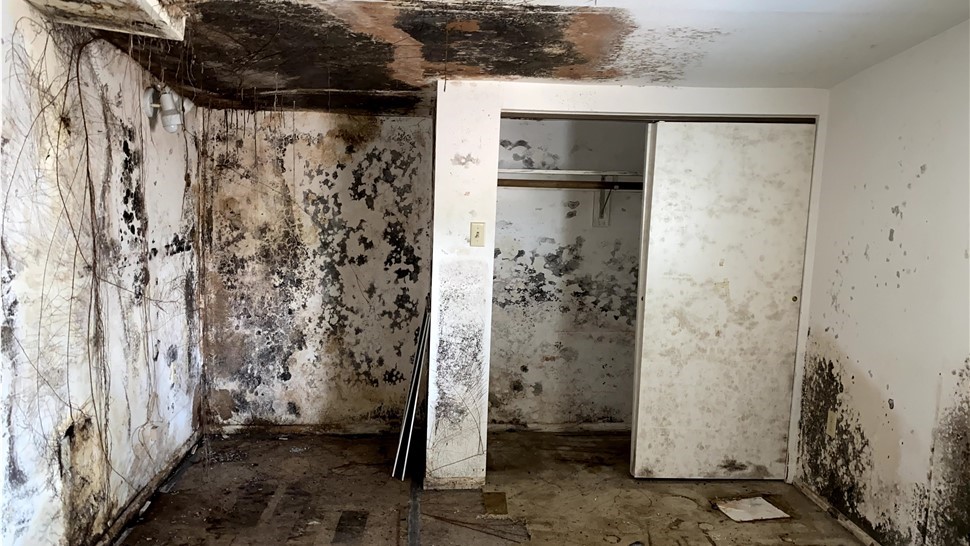
Mold After Water Damage in Merritt Island: What Homeowners in Brevard County Should Know
Water damage doesn’t have to be dramatic to lead to mold. In Merritt Island, many homeowners are surprised to find mold weeks or even months after what seemed like a small leak or minor water issue. Florida’s humidity, combined with enclosed building materials, means moisture often lingers longer than expected—creating ideal conditions for mold growth.
In Brevard County, mold after water damage is one of the most common scenarios inspectors encounter. Understanding why mold develops after water exposure, where it typically hides, and what actually prevents it helps Merritt Island homeowners avoid repeat problems and unnecessary stress.
Why Water Damage So Often Leads to Mold in Merritt Island
Water damage introduces moisture directly into building materials. That alone doesn’t guarantee mold—but when materials don’t dry quickly, mold has time to grow.
Brevard County has high ambient humidity most of the year. Even after visible water is cleaned up, moisture trapped inside walls, under floors, or above ceilings can remain damp far longer than homeowners realize.
Merritt Island’s coastal environment adds another challenge. Outdoor humidity slows evaporation, and air conditioning can cool surfaces faster than moisture can escape. This combination is why mold often appears after water damage here—even when cleanup seemed prompt.
Common Types of Water Damage That Lead to Mold
Not all water damage looks the same, but several scenarios commonly lead to mold in Merritt Island homes.
Plumbing leaks are one of the most frequent causes. A slow leak under a sink, behind a wall, or beneath a slab foundation can keep materials damp for weeks without obvious signs.
HVAC-related water damage is another major contributor. Clogged condensate drain lines, cracked drain pans, or overflow from air handlers can leak water into ceilings, walls, or floors.
Storm-related intrusion also plays a role. Wind-driven rain can enter through small roof, window, or flashing gaps without causing immediate staining. Moisture may remain hidden until mold develops later.
Appliance failures—such as washing machines, dishwashers, or water heaters—can introduce large amounts of water quickly, often soaking materials that are slow to dry.
Why Mold Often Appears Weeks After the Water Event
One of the most confusing aspects of mold after water damage is the delay.
Homeowners may clean up standing water, dry visible surfaces, and assume the problem is resolved. However, moisture inside wall cavities, insulation, or subflooring may still be present.
In Merritt Island homes, mold often appears later because:
- Flooring and paint trap moisture inside materials
- High humidity slows drying
- AC systems don’t fully dry hidden spaces
- Insulation holds moisture against wood and drywall
By the time mold becomes visible, it has often been growing out of sight since shortly after the water damage occurred.
Where Mold Commonly Develops After Water Damage
Mold doesn’t always grow where the water first appeared.
Common locations include:
- Behind drywall near leaks or intrusion points
- Under flooring on slab foundations
- Inside cabinets below sinks
- Above ceilings beneath roof decking
- Inside HVAC air handlers or duct insulation
- In attics where wet insulation stayed in place
Because these areas aren’t regularly inspected, mold can spread without being noticed right away.
Early Warning Signs to Watch For
Mold after water damage often gives subtle clues before obvious growth appears.
Homeowners in Merritt Island should watch for:
- Musty or earthy odors
- Discoloration on walls or ceilings
- Bubbling or peeling paint
- Warped drywall or baseboards
- Mold that returns after cleaning
- Odors that worsen when the AC runs
These signs usually indicate moisture that didn’t dry fully after the original water event.
Why Drying Is More Difficult in Florida Homes
Drying water-damaged materials in Florida is more challenging than many people expect.
High outdoor humidity limits how much moisture indoor air can absorb. Even with fans running, moisture inside walls or under floors may remain.
Air conditioning helps, but it’s not designed to dry wet building materials quickly. In some cases, AC systems actually cool surfaces while moisture remains trapped inside.
This is why professional moisture detection is often necessary after water damage in Merritt Island homes.
Why Cleaning Mold Doesn’t Solve the Problem
When mold appears after water damage, many homeowners focus on cleaning what they can see.
Surface cleaning may improve appearance, but it doesn’t remove mold growing inside porous materials like drywall, wood, or insulation. It also doesn’t address the moisture that caused the problem.
Bleach and household cleaners do not penetrate deeply and can add moisture to already damp areas. This often leads to mold returning—sometimes worse than before.
Recurring mold after water damage is almost always a sign that moisture is still present.
Hidden Mold: The Most Common Outcome of Water Damage
Some of the most significant mold growth after water damage is hidden.
In Merritt Island homes, hidden mold frequently develops:
- Inside wall cavities
- Under tile, laminate, or vinyl flooring
- Inside HVAC systems
- Above ceilings where leaks weren’t obvious
Homeowners may only notice odors or minor surface mold while hidden areas continue to support growth. This is why repeated cleaning without investigation rarely works.
How Professional Inspections Identify Post-Water Damage Mold
A professional mold inspection focuses on moisture first.
Inspections typically include:
- Visual evaluation of water-affected areas
- Moisture meter readings in walls, ceilings, and floors
- Assessment of HVAC systems and condensate drainage
- Attic inspection for wet insulation or roof intrusion
Thermal imaging may be used to identify areas where moisture is trapped behind surfaces.
When appropriate, air or surface samples may be collected for documentation, but moisture findings guide decisions.
Local professionals such as Brevard Mold Inspections & Removal focus on identifying how water moved through the home and where moisture remains—not just where mold is visible.
When Mold Remediation Is Necessary After Water Damage
Not all water damage leads to mold remediation, but remediation is often needed when:
- Porous materials stayed wet too long
- Mold is growing behind walls or under floors
- Mold keeps returning after cleaning
- Odors persist despite drying efforts
Proper remediation includes containment, removal of contaminated materials, correction of moisture sources, and thorough drying. Simply drying materials after mold has developed is rarely enough.
HVAC Systems and Post-Water Damage Mold
HVAC systems are frequently involved in mold issues after water damage.
Condensate leaks, wet duct insulation, or water-damaged air handlers can spread moisture and odors throughout the home. Because HVAC systems circulate air, mold here can affect multiple rooms.
Addressing HVAC-related moisture is often a critical part of resolving mold after water damage.
Preventing Mold After Future Water Damage
Prevention starts with fast, thorough drying—but it doesn’t stop there.
After any water event, Merritt Island homeowners should:
- Stop the water source immediately
- Dry affected areas as quickly as possible
- Check behind walls and under flooring
- Inspect HVAC systems for leaks or overflow
- Monitor for odors or humidity changes
After storms, attics and ceilings should be checked even if no leaks are obvious.
Small moisture issues addressed early prevent mold weeks later.
Why Local Experience Matters in Merritt Island
Water damage behaves differently depending on climate and construction.
Merritt Island homes face coastal humidity, slab foundations, frequent storms, and long cooling seasons. Local experience helps professionals understand where moisture hides and how quickly mold can develop after water exposure here.
Generic drying or cleanup advice often falls short in Brevard County homes.
A Practical Takeaway for Merritt Island Homeowners
Mold after water damage in Merritt Island is common—but it’s not inevitable.
Most problems occur because moisture remains hidden after cleanup. Musty odors, recurring mold, or delayed staining are signs that water didn’t fully dry and needs attention.
If your home experienced water damage and something doesn’t feel right afterward, a professional inspection can provide clarity. With accurate moisture detection and local expertise, Merritt Island homeowners can stop mold early and avoid long-term problems before they take hold.