
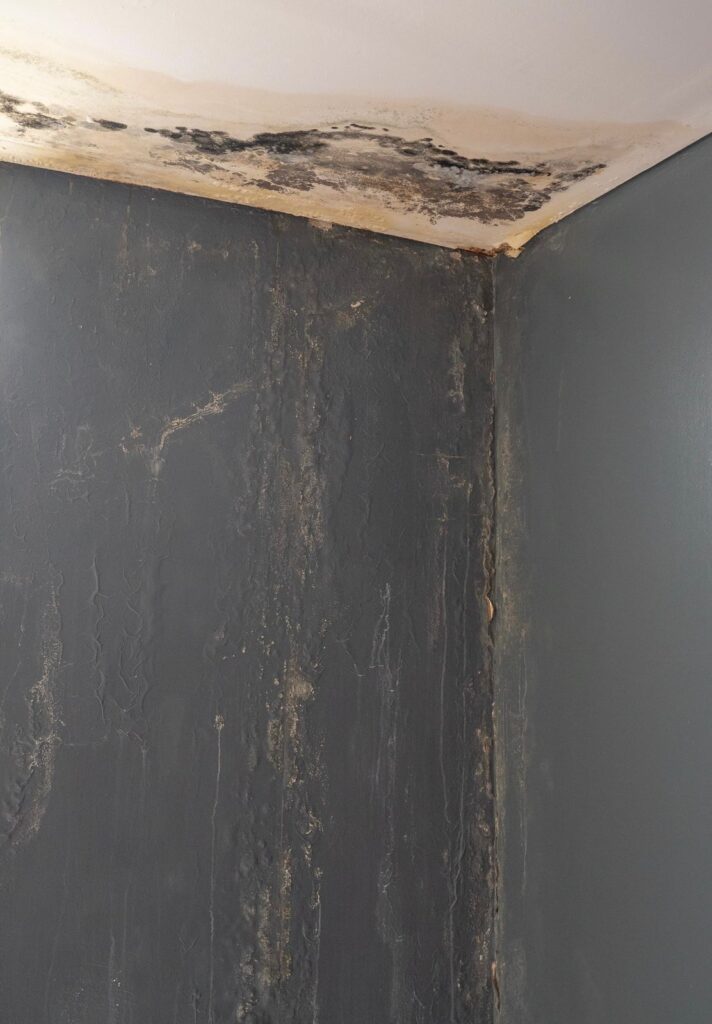
Mold After Water Damage in Merritt Island: What Homeowners in Brevard County Should Know
In Merritt Island, water damage isn’t unusual. Between heavy summer storms, hurricane season, aging plumbing systems, and constant humidity, homes throughout Brevard County regularly face moisture events. Sometimes it’s obvious — a roof leak after a storm. Other times it’s subtle — a slow plumbing drip inside a wall.
What many homeowners don’t realize is how quickly mold can follow.
In Florida’s climate, mold growth after water damage can begin in as little as 24 to 48 hours if materials remain wet. The combination of warmth and humidity accelerates the process. Understanding what happens after water damage — and how to respond — makes a significant difference in protecting your home.
If you live in Merritt Island, Cocoa Beach, Satellite Beach, or anywhere in Brevard County, here’s what you should know.
Why Mold Develops So Quickly in Merritt Island
Merritt Island sits between the Indian River Lagoon and the Atlantic Ocean. That coastal location means high ambient humidity almost year-round.
When water enters a home — whether from a roof leak, burst pipe, or storm intrusion — drying conditions aren’t ideal. Even after visible water is removed, moisture often remains trapped in:
- Drywall
- Insulation
- Wood framing
- Subflooring
- Baseboards
- Carpet padding
Because Florida air already contains significant moisture, wet materials don’t dry as quickly as they might in a drier climate.
Without proper drying, mold begins feeding on the organic components of building materials.
Common Causes of Water Damage in Brevard County Homes
In Merritt Island and nearby communities like Rockledge and Cape Canaveral, water damage typically comes from:
Storm-related roof leaks
Wind-driven rain can penetrate small roofing gaps.
Hurricane exposure
Even minor shingle displacement allows moisture in.
Plumbing failures
Supply line breaks, drain leaks, and water heater issues.
AC condensation backups
Clogged drain lines cause water to overflow.
Window and door seal failures
Coastal wind and rain exploit weak seals.
Sometimes water damage is dramatic. Other times, it’s slow and unnoticed until mold odors appear.
Signs Mold May Be Developing After Water Damage
After a water event, homeowners should monitor for:
- Musty odors
- Discoloration on walls or ceilings
- Bubbling or peeling paint
- Warped flooring
- Soft drywall
- Increased indoor humidity
In some Palm Bay and Melbourne homes, mold has developed behind walls where the surface looked dry.
If an area smells damp days after a water event, that’s a sign moisture may still be present.
Why Surface Drying Isn’t Enough
Many homeowners assume that once visible water is removed, the problem is solved.
However, moisture often travels:
- Behind drywall
- Under flooring
- Into insulation
- Along framing
- Into adjacent rooms
Running fans alone rarely removes deep moisture. Without professional moisture detection, hidden damp areas can go unnoticed.
In Florida’s climate, that hidden moisture becomes a mold risk quickly.
The Importance of Professional Moisture Detection
After water damage in Merritt Island, a structured moisture inspection helps determine whether materials are truly dry.
At Brevard Mold Inspections & Removal, post-water damage inspections typically include:
Visual Assessment
Evaluating affected areas and surrounding materials.
Moisture Meter Testing
Measuring moisture levels inside drywall, flooring, and framing.
Thermal Imaging
Identifying cooler areas that may indicate trapped moisture.
Humidity Measurements
Checking indoor moisture levels throughout the home.
Mold Testing (When Appropriate)
Air or surface samples may be collected if mold growth is suspected or documentation is needed.
Testing is especially helpful in real estate situations or when water damage was extensive.
The goal is not alarm — it’s clarity.
What Proper Mold Remediation Looks Like
If mold develops after water damage, remediation must address both mold and moisture.
The process typically includes:
- Correcting the water source
- Containing affected areas
- Removing damaged drywall or insulation
- Cleaning structural framing
- Using air filtration when needed
- Thorough drying
- Verifying moisture levels return to normal
Containment is important to prevent spores from spreading into unaffected rooms.
Proper drying is equally critical. In Brevard County, drying often requires professional equipment due to ambient humidity levels.
Why Delayed Action Increases Costs
Mold spreads when moisture remains uncontrolled.
In homes in Titusville and Satellite Beach, small leaks have turned into larger remediation projects simply because moisture wasn’t identified early.
Delays can lead to:
- Structural wood deterioration
- Insulation replacement
- Flooring removal
- Widespread contamination
- Complicated insurance claims
Early detection keeps repairs focused and manageable.
Insurance Considerations After Water Damage
Insurance coverage often depends on the cause of the water damage.
Sudden and accidental events (like burst pipes) are typically handled differently than long-term maintenance issues.
Prompt documentation helps:
- Support insurance claims
- Demonstrate timely response
- Clarify the extent of damage
Even when insurance is involved, confirming dryness remains critical.
Preventing Mold After Future Water Events
Living in Merritt Island means preparing for moisture events.
Practical prevention steps include:
- Inspecting roofs annually
- Servicing HVAC systems regularly
- Cleaning AC drain lines
- Monitoring indoor humidity (45–55%)
- Checking walls and ceilings after storms
- Addressing leaks immediately
- Inspecting attic spaces periodically
In coastal communities like Cocoa Beach and Cape Canaveral, wind-driven rain makes envelope maintenance especially important.
Water intrusion may be unavoidable at times — but prolonged moisture isn’t.
Older vs. Newer Homes in Merritt Island
Older homes may have aging roofing materials or plumbing.
Newer homes may be tightly sealed, trapping moisture if ventilation isn’t balanced properly.
Both styles can develop mold after water damage if drying is incomplete.
Understanding your home’s construction helps determine where moisture may travel.
Why Local Experience Matters
Water damage in Florida behaves differently than in cooler, drier states.
Merritt Island homes face:
- High humidity year-round
- Coastal moisture exposure
- Slab foundation construction
- Hurricane-driven rain
- Warm temperatures
A local inspection company understands how quickly mold develops here.
Brevard Mold Inspections & Removal evaluates post-water damage situations with Florida-specific knowledge, helping homeowners make practical decisions.
A Practical Next Step
If your Merritt Island home has experienced water damage — even minor — it’s wise to confirm that materials are fully dry.
A professional inspection can:
- Detect hidden moisture
- Identify early mold growth
- Determine scope
- Provide clear next steps
Sometimes reassurance is all that’s needed. Other times, early remediation prevents larger structural repairs.
In Brevard County’s humid climate, water damage and mold are closely connected.
With prompt inspection, proper drying, and local expertise, mold after water damage can be managed effectively — protecting both your home and your peace of mind.