
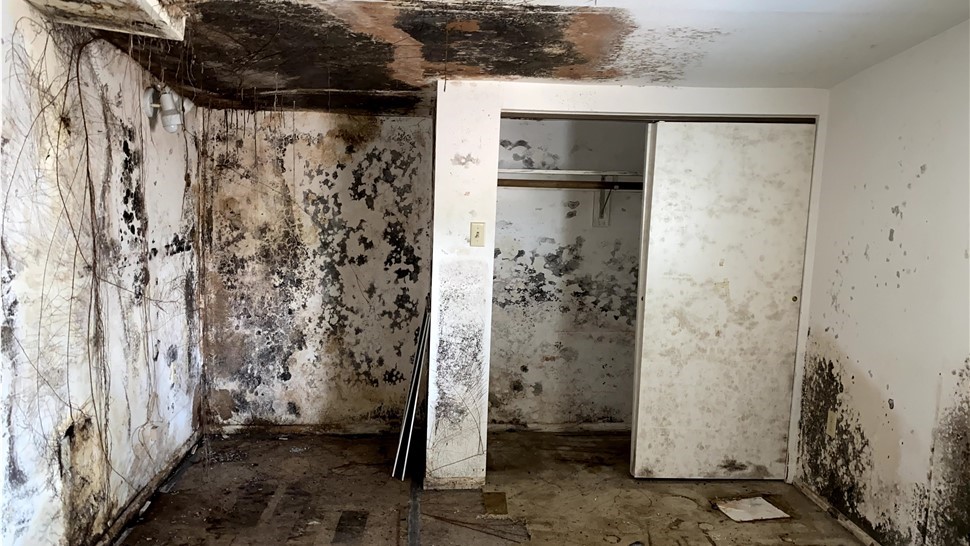
Mold After Water Damage in Satellite Beach: What Homeowners in Brevard County Should Know
Water damage is one of the most common triggers for mold growth in homes along Florida’s coast, and homeowners in Satellite Beach are especially familiar with this risk. Heavy rain, tropical storms, hurricanes, plumbing leaks, and even minor roof issues can introduce moisture into a home quickly. When that moisture isn’t fully dried or properly addressed, mold often follows.
In Brevard County, mold after water damage is not a rare or extreme situation. It’s a practical issue that many homeowners face, sometimes without realizing it until weeks or months later. Understanding how mold develops after water damage, where it commonly appears, and what steps help limit long-term problems can make a significant difference.
How Water Damage Leads to Mold Growth
Mold needs moisture, time, and organic material to grow. After water damage, all three are usually present.
When water enters a home—whether from a storm, plumbing failure, or appliance leak—it often spreads into materials that don’t dry easily. Drywall, insulation, wood framing, and flooring can absorb moisture and hold it long after surfaces appear dry.
In Satellite Beach homes, coastal humidity makes drying even more difficult. Moist ocean air slows evaporation, allowing damp materials to stay wet long enough for mold to begin growing. In many cases, mold can start developing within a few days if moisture remains.
Why Satellite Beach Homes Are Especially Vulnerable
Brevard County already has a climate that supports mold growth, but coastal areas like Satellite Beach face added challenges.
Wind-driven rain from storms and hurricanes can enter through roofs, windows, doors, and small exterior gaps. Even well-built homes can experience water intrusion under the right conditions.
Salt air and constant humidity can also affect seals, flashing, and building materials over time, increasing the likelihood of slow leaks. Many homes in Satellite Beach are built on slab foundations, which can trap moisture beneath flooring after water intrusion.
Air conditioning systems play a role as well. After water damage, AC systems may spread moisture through ductwork if condensation issues or system imbalances are present.
Common Water Damage Events That Lead to Mold
Mold after water damage doesn’t only follow major flooding.
Roof leaks after heavy rain are one of the most common causes. Even a small leak can allow water to soak into ceilings and walls over time.
Plumbing issues such as slow pipe leaks, supply line failures, or overflowing fixtures often introduce moisture into cabinets, walls, and flooring.
Appliance leaks from washing machines, dishwashers, or water heaters are another frequent source, especially when leaks go unnoticed.
Storm surge or wind-driven rain during tropical systems can also introduce water into lower levels of coastal homes.
In many cases, repairs are made, but moisture trapped behind walls or under floors remains.
Signs Mold May Be Developing After Water Damage
Homeowners often notice signs of mold weeks or months after the original water event.
A persistent musty or damp odor is one of the most common indicators. In Satellite Beach homes, this smell may become stronger when the air conditioning runs.
Visible discoloration or spotting may appear on walls, ceilings, baseboards, or flooring. Paint may peel or bubble, and drywall may feel soft or warped.
Some homeowners notice that indoor comfort changes, with increased irritation or discomfort while inside the home. While reactions vary, these changes often prompt further investigation.
The key point is that mold growth often continues long after water damage appears to be resolved.
Hidden Areas Where Mold Commonly Develops
After water damage, mold is often found in places homeowners don’t immediately see.
Behind walls, water can wick upward through drywall and insulation, creating hidden growth. Under flooring, moisture can remain trapped between finished surfaces and the slab.
Attics are another common location, especially after roof leaks or storm-related damage. Wet insulation and roof decking provide ideal conditions for mold if not dried properly.
HVAC systems can also be affected. Moisture from water damage or high humidity can lead to mold growth inside air handlers or ductwork, allowing spores to circulate throughout the home.
Past water damage that was never fully dried is one of the most frequent causes of widespread mold.
Why Drying Alone Is Not Always Enough
Many homeowners focus on drying visible water, assuming the problem is solved once surfaces feel dry.
While drying is critical, it does not always remove moisture trapped inside walls, floors, or insulation. In Florida’s humid climate, materials may dry slowly or unevenly.
Without moisture detection tools, it’s difficult to know whether affected areas are truly dry. Mold can continue growing out of sight even after fans and dehumidifiers are removed.
This is why mold issues often appear weeks after water damage cleanup seems complete.
How Professional Inspection Helps After Water Damage
After water damage, a professional inspection can help determine whether mold has developed or if conditions are likely to support growth.
Inspections typically include a detailed visual assessment of affected areas and nearby spaces. Moisture meters and thermal imaging tools may be used to locate hidden dampness behind walls or under flooring.
When appropriate, air or surface samples may be collected and sent to an independent laboratory for analysis. Testing can help confirm whether mold is present and whether further action is needed.
Local professionals such as Brevard Mold Inspections & Removal focus on identifying both mold and the moisture conditions that caused it.
Mold Remediation After Water Damage
When mold is confirmed after water damage, proper remediation focuses on two goals: removing mold and correcting moisture.
Containment is used to prevent mold from spreading during cleanup. Affected materials may be cleaned or removed depending on how deeply mold has penetrated.
Correcting the moisture source is essential. This may involve plumbing repairs, roof repairs, HVAC adjustments, or improvements to ventilation and drainage.
Effective remediation addresses the cause of the problem, not just the visible growth.
Preventing Mold After Future Water Damage
Prevention starts with quick action.
After any water intrusion, drying should begin as soon as possible and continue until materials are fully dry, not just on the surface. Monitoring moisture levels helps ensure drying is complete.
After storms, homeowners should inspect roofs, attics, ceilings, windows, and flooring for signs of leaks. Even small issues should be addressed promptly.
Regular HVAC maintenance helps control humidity and prevents condensation problems that can worsen moisture after water damage.
In coastal homes, maintaining exterior seals and drainage systems also helps limit water intrusion.
Why Local Experience Matters in Satellite Beach
Water damage and mold behave differently in coastal environments.
Satellite Beach homes face unique challenges related to salt air, wind-driven rain, slab foundations, and persistent humidity. Local experience helps professionals understand where moisture is most likely to hide and how mold develops in these conditions.
Professionals familiar with Brevard County can assess water damage and mold risks more accurately and recommend appropriate next steps.
A Calm Next Step for Satellite Beach Homeowners
If your home has experienced water damage—recently or in the past—and you’re concerned about mold, a professional inspection can provide clarity without unnecessary alarm.
Understanding whether moisture remains and whether mold has developed is the first step toward protecting your home. With accurate information and local expertise, Satellite Beach homeowners can address mold after water damage confidently and prevent future problems.