
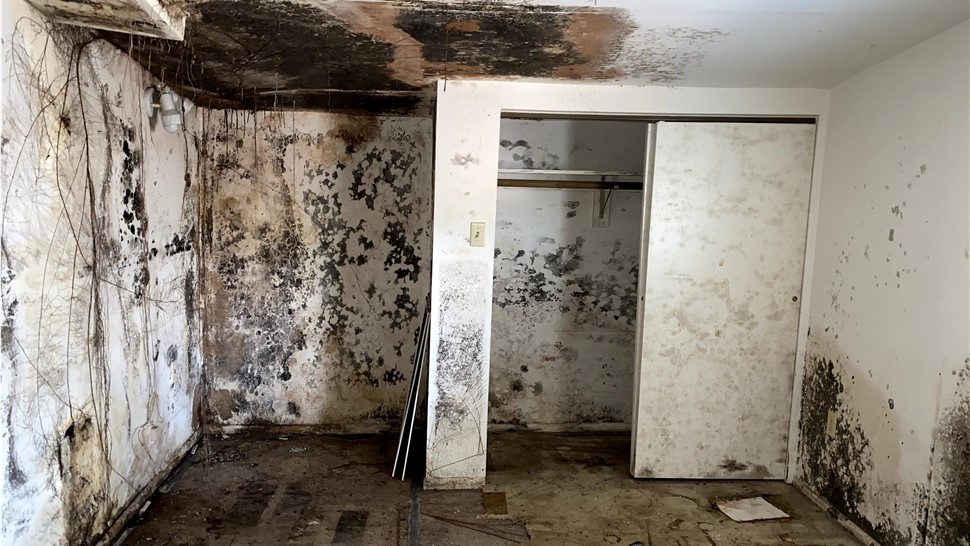
Mold After Water Damage in Satellite Beach: What Homeowners in Brevard County Should Know
In Satellite Beach, water damage doesn’t have to be dramatic to cause serious mold problems. Coastal rainstorms, wind-driven leaks, storm surge, plumbing failures, and even AC issues can introduce moisture into a home — and in Florida’s climate, mold can begin growing within 24–48 hours if drying isn’t done correctly.
This guide explains why mold is so common after water damage in Satellite Beach homes, what signs to watch for, and how homeowners can stop a small water issue from turning into a major remediation project.
Why Satellite Beach Homes Are High-Risk After Water Damage
Satellite Beach sits right on the coast, which creates constant moisture pressure on homes.
Local Factors That Increase Mold Risk
- High year-round humidity
- Heavy rain and tropical storms
- Wind-driven rain intrusion
- Salt air that slows drying
- Slab foundations that trap moisture
- Homes built close to sea level
Even minor water events — like a roof seepage during a storm or a clogged AC drain line — can leave moisture hidden inside walls, floors, or insulation, where mold thrives unnoticed.
How Fast Mold Grows After Water Damage
One of the biggest misconceptions homeowners have is that mold takes a long time to appear.
Typical Mold Timeline in Florida Homes
- 0–24 hours: Materials become saturated
- 24–48 hours: Mold spores activate
- 2–5 days: Mold begins colonizing damp materials
- 1–2 weeks: Hidden mold spreads behind walls and under floors
Drying the surface alone isn’t enough. If moisture remains trapped inside building materials, mold growth is almost guaranteed.
Common Causes of Water Damage in Satellite Beach Homes
Understanding the source of water helps predict mold risk.
🌧 Storm & Coastal Weather
- Wind-driven rain through roofs or siding
- Storm surge or poor drainage
- Water intrusion around windows and doors
🚰 Plumbing Issues
- Burst or leaking pipes
- Slow leaks inside walls
- Appliance hose failures
❄ HVAC & AC Problems
- Clogged drain lines
- Overflowing drip pans
- Excess condensation
🏠 Structural Entry Points
- Roof flashing failures
- Cracked stucco
- Aging seals and caulking
Each of these can introduce water into areas that don’t dry naturally, especially in a humid coastal environment.
Signs Mold May Be Developing After Water Damage
Mold often appears weeks after the original water event.
👀 Visual Warning Signs
- Stains on ceilings or walls
- Bubbling or peeling paint
- Warped baseboards or flooring
- Dark spots forming days later
👃 Odor Clues
- Musty or earthy smells
- Odors that worsen when the AC runs
🤧 Health Clues
- New allergy or asthma symptoms
- Coughing, congestion, or headaches indoors
- Symptoms improving when leaving the house
If any of these show up after water damage, mold is likely already present.
Why DIY Drying Often Fails in Coastal Homes
Fans and shop vacs can remove surface water, but they often miss:
- Moisture inside drywall
- Wet insulation
- Damp subfloors
- Water trapped under tile or laminate
In Satellite Beach, high humidity slows evaporation, allowing moisture to linger even when things feel dry. That’s why many homes develop mold after homeowners think the problem is resolved.
Professional drying uses moisture meters and dehumidification to ensure materials are dry all the way through — not just on the surface.
Mold Inspection After Water Damage: Why It Matters
After any significant water event, a mold inspection helps determine:
- Whether mold growth has started
- Where moisture remains hidden
- Which materials are affected
- Whether drying alone is enough or remediation is needed
Tools commonly used include:
- Moisture meters
- Thermal imaging
- Visual inspection of high-risk areas
This step prevents guessing — and guessing is what leads to mold coming back later.
When Mold Remediation Is Necessary
Professional mold remediation is usually recommended when:
- Water damage lasted longer than 48 hours
- Mold growth is visible
- Musty odors persist
- Moisture remains inside walls or floors
- Floodwater or stormwater was involved
- Health symptoms appear
What Professional Remediation Involves
- Containment to prevent spore spread
- HEPA air filtration
- Removal of contaminated materials if needed
- Cleaning and treatment of affected areas
- Moisture correction to prevent recurrence
Skipping remediation when it’s needed often results in repeat mold problems.
Insurance and Mold After Water Damage in Satellite Beach
Insurance coverage depends on how the water damage occurred.
- Sudden events (storm intrusion, burst pipe): sometimes covered
- Long-term leaks or maintenance issues: often excluded
Helpful documentation includes:
- Photos of damage
- Timeline of the water event
- Professional inspection or drying reports
Acting quickly improves both mold outcomes and insurance claim success.
How to Prevent Mold After Water Damage
⏱ Act Immediately
The first 24–48 hours are critical.
- Remove standing water
- Start drying right away
- Use dehumidifiers and fans
💧 Remove Wet Materials When Necessary
Carpet padding, insulation, and drywall that stay wet too long often must be removed to stop mold.
🌬 Control Humidity
Keep indoor humidity between 30–50% during and after drying.
🛠 Fix the Source
Drying without repairing the leak guarantees mold will return.
🕵️ Monitor for Weeks After
Watch for stains, odors, or symptoms — mold often appears weeks after water damage.
Why Mold After Water Damage Is So Common in Satellite Beach
In coastal Brevard County, homes don’t dry naturally like they might in drier climates. Salt air, humidity, and warm temperatures allow moisture to linger — and mold takes advantage quickly.
Early action is the difference between:
- Simple drying and repairs
- Full mold remediation and reconstruction
Final Takeaways for Satellite Beach Homeowners
- Mold can begin growing within 24–48 hours after water damage
- Hidden moisture is the biggest risk — not visible water
- DIY drying often misses moisture inside walls and floors
- Professional inspection prevents recurring mold issues
- Fast action protects health, property, and value