
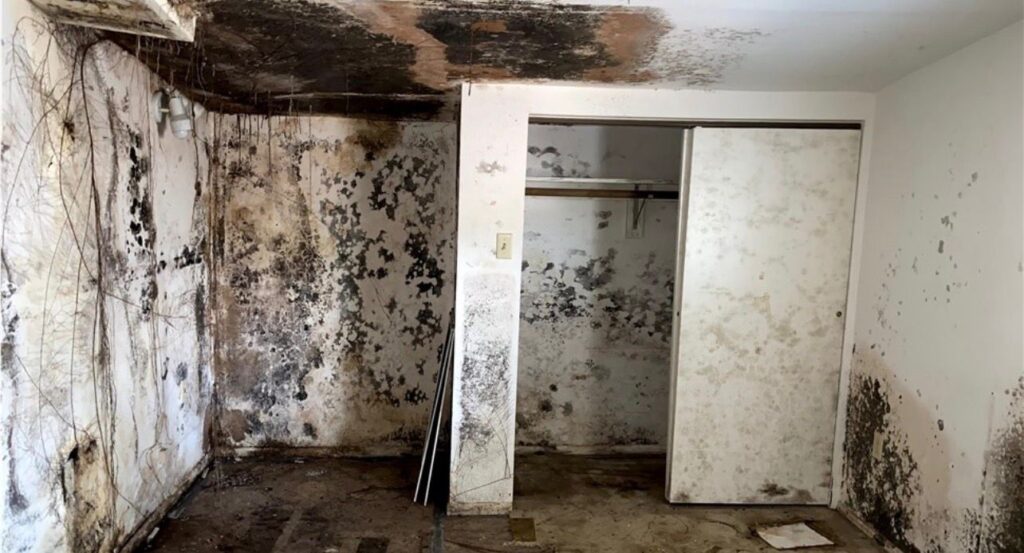
Mold After Water Damage in Satellite Beach: What Homeowners in Brevard County Should Know
Living near the coast has its perks—ocean breezes, beautiful views, and that relaxed Florida lifestyle. But if you own a home in Satellite Beach or anywhere in Brevard County, you already know there’s a downside too: moisture is everywhere.
Between heavy rainstorms, plumbing leaks, hurricane season, and high humidity across Florida, water damage is extremely common—and where water goes, mold follows.
Many homeowners think water damage is the main problem. In reality, mold growth after water damage is often the bigger and more expensive issue.
Let’s break down exactly what happens, what signs to watch for, and how homeowners in Brevard County can protect their property before a small moisture problem turns into a major remediation project.
Why Mold Grows So Fast After Water Damage

Here’s the part that surprises most homeowners:
Mold can begin growing within 24–48 hours after water exposure.
That means even a minor leak behind a wall or under flooring can quickly turn into hidden mold growth if the moisture isn’t dried properly.
Coastal environments like Satellite Beach make the problem worse because:
- Humidity levels stay high year-round
- Salt air increases material breakdown
- Storm systems bring sudden water intrusion
- AC systems run constantly, creating condensation zones
When materials like drywall, insulation, carpet, or wood absorb water, mold spores (which are always present in the air) activate and begin feeding on organic surfaces.
In simple terms:
Water + warmth + organic material = mold.
And Florida homes provide all three.
Common Causes of Water Damage in Satellite Beach Homes
Water damage doesn’t always come from dramatic flooding. In fact, most mold cases start with small, unnoticed issues.
Plumbing Leaks
Leaking pipes under sinks or inside walls are one of the most frequent causes of mold growth. These leaks often go undetected for weeks.
Watch for:
- Warped cabinets
- Musty odors
- Increased water bills
Roof Leaks After Storms
Brevard County storms can damage shingles or flashing, allowing water to seep slowly into attic spaces.
Signs include:
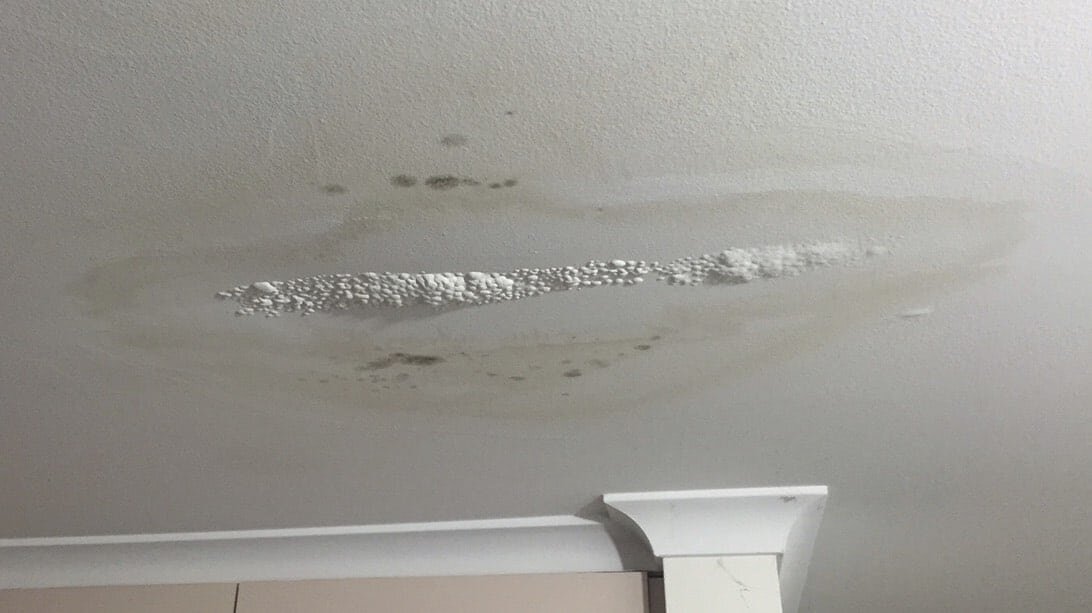
- Ceiling stains
- Damp insulation
- Mold in attic wood framing
AC Condensation Problems
Because air conditioning systems run nearly year-round in Florida, clogged drain lines or poor airflow can cause moisture buildup.
This often leads to mold around:
- Air handlers
- Air ducts
- Closet HVAC units
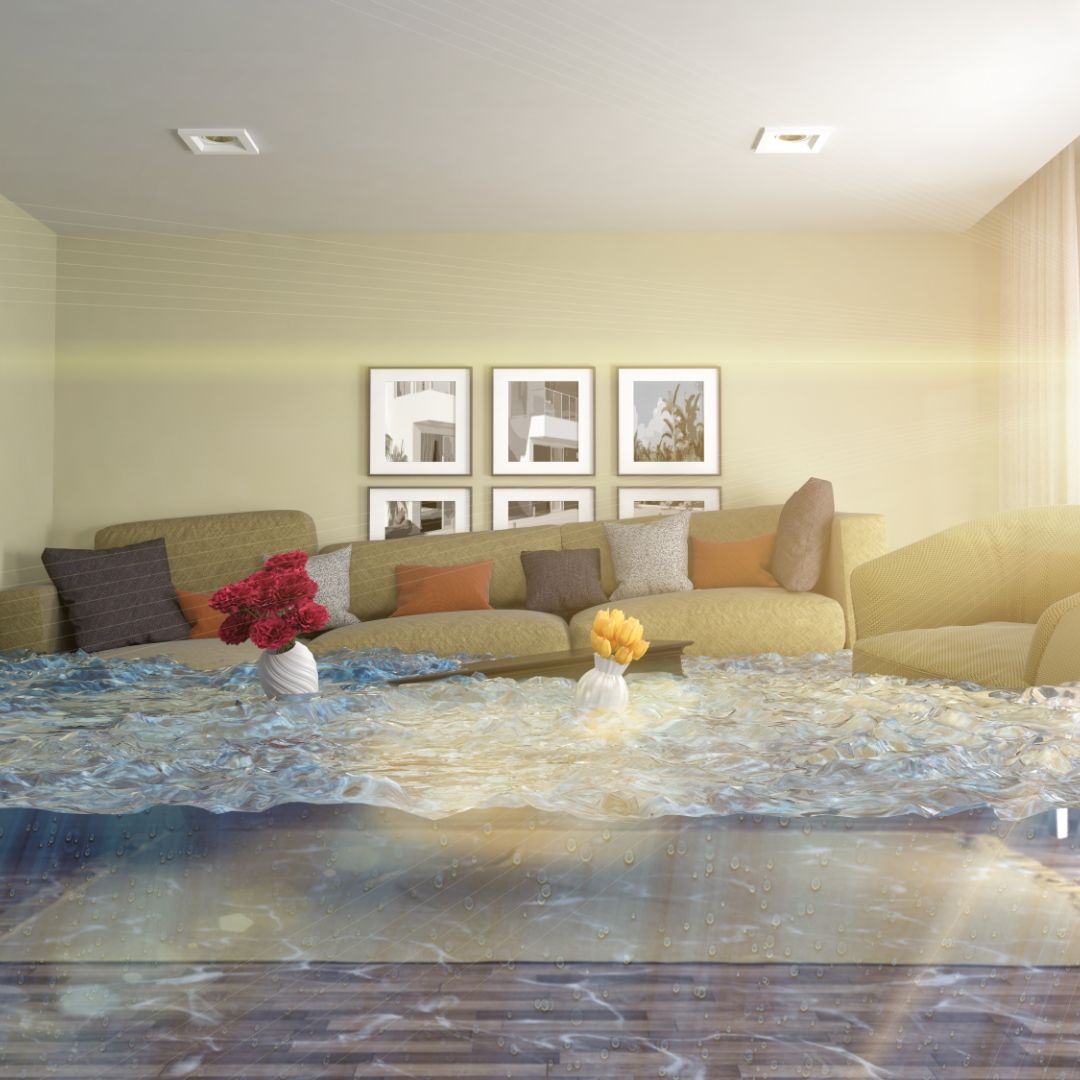
Flooding & Storm Surge
Homes closer to the coastline face increased risks from storm surge and heavy rainfall. Even minor flooding can saturate flooring and baseboards.
Many homeowners dry visible water—but miss the moisture trapped underneath.
That’s where mold begins.
Early Signs of Mold After Water Damage
Mold doesn’t always appear immediately. In many cases, it grows behind surfaces before becoming visible.
Here are some of the most common warning signs homeowners in Satellite Beach should never ignore:
Persistent Musty Smell
If your home smells earthy or damp after a leak or storm, mold is likely present—even if you can’t see it yet.
This is often the first indicator.
Discoloration on Walls or Ceilings
Mold may appear as:
- Black spots
- Green patches
- Brown staining
- Yellow water marks
Not all staining is mold, but all staining should be inspected.
Peeling Paint or Bubbling Drywall
Moisture trapped behind walls causes materials to separate and warp.
When surfaces start changing shape, mold usually follows.
Allergy Symptoms Indoors
Mold exposure can cause:
- Sneezing
- Coughing
- Headaches
- Eye irritation
If symptoms improve when you leave the home, indoor air quality may be the issue.
Why Mold After Water Damage Gets Worse Over Time
Here’s a critical fact many homeowners overlook:
Mold doesn’t stop growing on its own.
Once moisture enters structural materials, mold spreads through:
- Drywall interiors
- Insulation fibers
- Wood framing
- HVAC airflow systems
Without proper drying and remediation, mold colonies expand and release spores into the air.
According to the United States Environmental Protection Agency, mold problems will continue until the moisture source is fully corrected.
Cleaning visible mold without fixing moisture only delays the problem.
The Hidden Mold Problem Most Homeowners Miss
One of the biggest challenges after water damage is hidden moisture.
Even when surfaces feel dry, moisture may still exist inside:
- Wall cavities
- Subflooring
- Carpet padding
- Insulation
Professional moisture detection tools often reveal water levels that aren’t visible to the eye.
This is why mold frequently returns months after a homeowner believes the issue was resolved.
What Happens During Professional Mold Remediation
When mold growth spreads beyond a small surface area, professional remediation becomes necessary.
A proper remediation process typically includes several steps.
Inspection and Moisture Detection
Technicians use:
- Moisture meters
- Thermal imaging cameras
- Air quality testing
This helps identify both visible and hidden mold sources.
Containment
Containment prevents mold spores from spreading into unaffected areas.
Professionals often use:
- Plastic barriers
- Negative air machines
- HEPA filtration systems
This step is crucial for protecting the rest of the home.
Removal of Contaminated Materials
Porous materials like drywall or insulation may need removal if mold growth is extensive.
This ensures mold does not return.
Cleaning and Air Filtration
Specialized antimicrobial treatments and HEPA vacuuming remove spores from surfaces and the air.
Drying and Prevention
Industrial drying equipment eliminates remaining moisture to stop future growth.
Without this step, mold can reappear quickly.
Can You Clean Mold Yourself After Water Damage?
This is one of the most common homeowner questions.
The answer depends on the size and severity of the affected area.
Small surface mold (under roughly 10 square feet) may sometimes be cleaned safely if:
- The moisture source has been fixed
- Proper protective gear is used
- The surface is non-porous
However, DIY cleanup becomes risky when:
- Mold returns repeatedly
- Water damage affected multiple rooms
- HVAC systems are involved
- Strong odors persist
Bleach is often used incorrectly and does not fully penetrate porous materials like drywall or wood.
In many cases, it only removes surface staining—not the root growth.
The Cost of Ignoring Mold After Water Damage
Delaying remediation can dramatically increase repair costs.
Minor water damage might cost a few hundred dollars to dry properly.
But when mold spreads, repairs may include:
- Drywall replacement
- Flooring replacement
- Structural repairs
- Air quality treatment
Costs can quickly rise into the thousands.
Even more important, mold can affect indoor air quality and comfort for your family.
Preventing Mold After Water Damage in Coastal Homes
The best way to avoid mold problems is fast action.
Here are the most effective prevention steps for homeowners in Satellite Beach.
Dry Water Damage Within 24–48 Hours
Immediate drying significantly reduces mold risk.
Use:
- Fans
- Dehumidifiers
- Professional drying equipment when needed
Control Indoor Humidity
Florida homes should ideally maintain humidity between 40%–60%.
Dehumidifiers and properly functioning AC systems help maintain safe levels.
Inspect After Every Major Storm
Even if you don’t see damage, check:
- Attics
- Baseboards
- Around windows
- Under sinks
Early detection prevents major repairs.
Maintain Your HVAC System
Regular AC maintenance prevents condensation issues that often lead to hidden mold growth.
Clean drain lines and replace filters regularly.
When to Call a Mold Professional in Brevard County
Homeowners should consider professional inspection when:
- Water damage occurred recently
- Musty odors remain after drying
- Mold keeps returning
- Health symptoms appear indoors
- Flooding affected flooring or walls
Professional detection tools often find problems before they become visible.
That early detection can save thousands in repairs.