
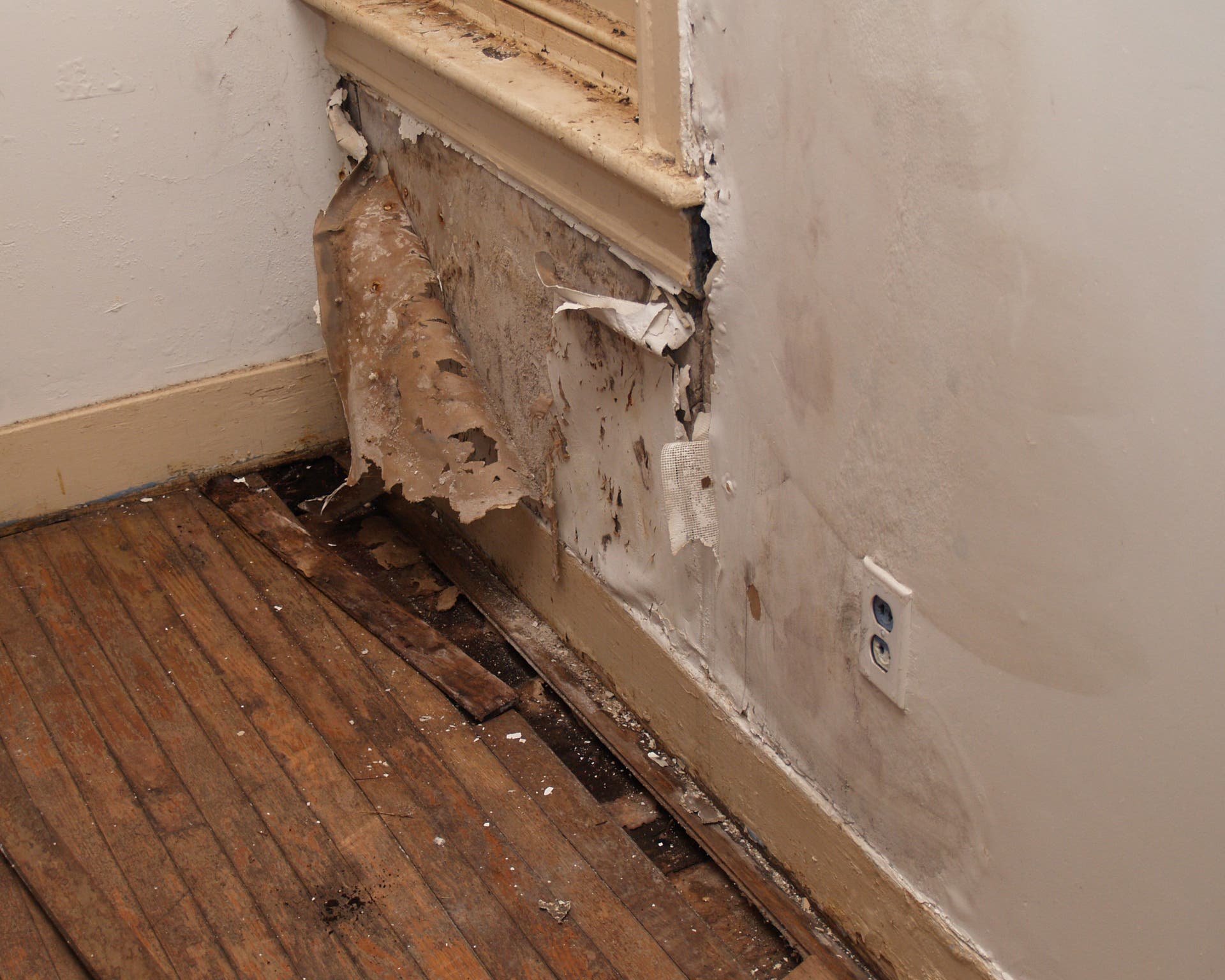
Mold After Water Damage in Satellite Beach: What Homeowners in Brevard County Should Know
Living in Satellite Beach means enjoying coastal views, ocean breezes, and close access to everything Brevard County offers. But along with beachside living comes a challenge many homeowners eventually face — water damage and the mold problems that often follow.
Whether caused by heavy storms, hurricanes, plumbing leaks, or appliance failures, water intrusion is common in coastal Florida homes. Many homeowners clean up visible water quickly, only to discover weeks later that musty odors or mold growth begin appearing inside the home.
The reality is that mold often develops after water damage when moisture remains trapped in materials long after surfaces appear dry. Understanding why this happens and how to prevent it helps homeowners protect their homes and avoid expensive repairs later.
Here’s what Satellite Beach homeowners and residents across Brevard County should know.
Why Mold Often Follows Water Damage
Water damage rarely affects only visible surfaces. Even when floors and walls appear dry, moisture often spreads deeper into building materials.
Water commonly soaks into:
• Drywall and wall cavities
• Insulation behind walls
• Subflooring under carpets or vinyl floors
• Baseboards and trim
• Cabinets and closets
• Ceiling cavities after roof leaks
Once materials remain damp, mold spores naturally present in the air begin growing. In Florida’s warm climate, mold can begin forming within 24–48 hours if drying isn’t thorough.
In many Satellite Beach homes, mold problems are discovered weeks after water events when odors or staining begin appearing.
Why Satellite Beach Homes Face Higher Water Damage Risks
Coastal communities naturally face increased exposure to water intrusion.
Several local factors contribute to water damage risks:
Heavy Storm Activity
Brevard County regularly experiences strong storms that bring heavy rainfall and wind-driven rain.
Hurricanes and Tropical Systems
Storm surge, flooding, and roof damage frequently introduce water into homes.
Coastal Weather Exposure
Salt air and coastal winds gradually wear down roofing and exterior materials, allowing water entry.
High Water Tables and Flooding
Low-lying coastal areas sometimes experience temporary flooding after heavy rains.
AC System Failures
Air conditioning systems running constantly sometimes leak or overflow during heavy humidity periods.
Because storms and moisture are constant factors, homes in Satellite Beach often face recurring water exposure risks.
Signs Mold May Develop After Water Damage
Mold growth often appears days or weeks after a water event rather than immediately.
Common warning signs include:
• Musty odors indoors
• Dark spots forming on walls or ceilings
• Bubbling or peeling paint
• Warped flooring or baseboards
• Mold appearing near previous leak areas
• Rooms feeling damp or humid
In inspections across Cocoa Beach and Cape Canaveral, odors are often reported before visible mold appears.
If smells persist after cleanup, hidden moisture may still be present.
Hidden Moisture Problems Homeowners Often Miss
Water frequently spreads farther than homeowners expect.
Professional inspections often uncover hidden moisture:
• Behind drywall exposed to leaks
• Beneath laminate or vinyl flooring
• Inside attic insulation after roof damage
• Around HVAC equipment exposed to flooding
• Inside cabinets or closets
• Beneath carpets and padding
Even small leaks can allow mold to grow quietly inside materials.
By the time mold becomes visible, contamination may already be widespread behind surfaces.
Why Delayed Drying Leads to Mold Growth
After storms or leaks, homeowners often focus on removing standing water and replacing visible damage. However, moisture trapped inside materials causes problems later.
Common cleanup delays include:
• Waiting weeks for repairs or insurance approvals
• Leaving wet drywall or insulation in place
• Using household fans without professional drying equipment
• Painting over water stains without proper drying
• Ignoring humidity increases indoors
Moisture trapped inside materials allows mold to grow unseen.
Homes in Palm Bay and Rockledge often show mold months after minor water events that seemed resolved.
Why DIY Drying Often Isn’t Enough
Homeowners frequently attempt to dry homes themselves, but DIY methods often fail to remove hidden moisture.
Common DIY limitations include:
Drying Only Surface Areas
Moisture remains inside walls or flooring.
Using Household Fans Alone
Fans circulate air but don’t extract moisture from materials.
Leaving Wet Materials Too Long
Wet carpet padding and drywall promote mold growth quickly.
Ignoring HVAC Systems
Floodwater sometimes contaminates air systems.
Professional drying equipment extracts moisture from deep inside materials, preventing mold growth.
How Professional Mold Inspections Help After Water Damage
A professional inspection helps determine whether mold has begun growing after water intrusion.
Inspections typically include:
Visual Examination
Checking areas exposed to water damage.
Moisture Detection Tools
Meters and thermal imaging reveal hidden moisture.
HVAC System Inspection
Ensuring air systems weren’t affected.
Attic and Crawl Space Inspection
Checking hidden areas for moisture buildup.
Sampling When Needed
Air or surface testing may confirm mold presence.
Companies like Brevard Mold Inspections & Removal help homeowners understand conditions after water events and determine whether remediation is needed.
Early inspections often prevent larger repairs.
How Mold Remediation Works After Water Damage
If mold contamination develops, professional remediation safely removes mold while correcting moisture conditions.
Typical remediation steps include:
Containment Setup
Preventing spores from spreading during cleanup.
Removal of Damaged Materials
Wet drywall, insulation, or flooring may need replacement.
Professional Cleaning
Remaining surfaces are cleaned safely.
Moisture Source Correction
Leaks or drainage problems are repaired.
Final Verification
Ensuring mold levels return to safe conditions.
The goal is restoring clean, dry indoor environments.
Preventing Mold After Future Water Damage
Although storms and leaks can’t always be prevented, mold problems often can.
Helpful prevention steps include:
• Removing standing water quickly
• Drying materials within 24–48 hours
• Using professional drying equipment when needed
• Removing wet drywall or insulation promptly
• Monitoring previously wet areas
• Keeping indoor humidity below 55%
• Scheduling post-storm inspections
Homes in Satellite Beach benefit from regular post-storm checks due to coastal exposure.
Early action prevents larger mold problems later.
Why Local Experience Matters in Brevard County Homes
Florida homes experience water damage differently than homes in cooler climates.
Local professionals understand:
• Coastal storm intrusion patterns
• Hurricane-related moisture risks
• Florida slab construction moisture movement
• AC condensation challenges
• Construction styles common in Brevard County
Solutions must match Florida’s environment to prevent mold effectively.
Local experience helps prevent repeat problems.
A Practical Next Step for Satellite Beach Homeowners
Water damage recovery can feel overwhelming, and mold concerns often appear after homeowners believe cleanup is complete. Fortunately, most mold problems are manageable when moisture is addressed early.
If your Satellite Beach home experienced flooding, leaks, or storm damage and now has persistent odors or moisture concerns, a professional inspection can help determine next steps.
Many homeowners simply want reassurance their homes are dry and safe.
Brevard Mold Inspections & Removal assists homeowners across Satellite Beach and throughout Brevard County in identifying moisture concerns and recommending practical solutions after water damage.
Addressing moisture early protects homes, prevents costly repairs, and keeps living spaces comfortable in Florida’s humid coastal climate.
When water damage occurs, acting quickly helps prevent mold from becoming the next problem.