
Mold After Water Damage in Satellite Beach: What Homeowners in Brevard County Should Know
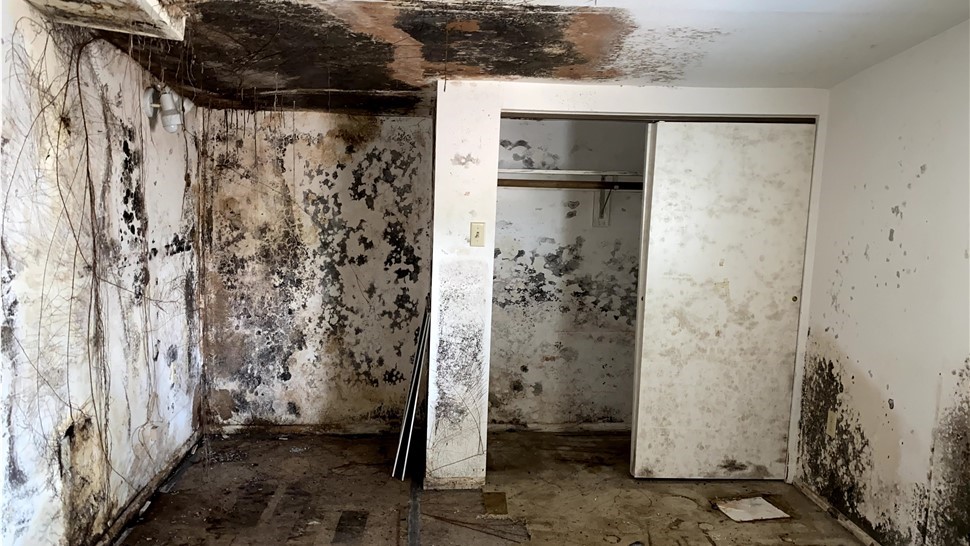
Water damage rarely ends when the visible water disappears. In Satellite Beach homes, mold often begins developing days or weeks after a leak or flooding event, especially when moisture remains trapped inside walls, insulation, or flooring.
I’ve inspected homes where a small ceiling leak was repaired quickly, but mold appeared weeks later because moisture stayed inside drywall. Ever notice how musty odors sometimes show up long after a problem seems fixed? That delay often means moisture never fully dried.
Let’s look at how water damage turns into mold problems and what homeowners in Brevard County should know.
Why Water Damage Leads to Mold
Mold needs moisture, and water damage provides it immediately. Even small leaks or minor flooding can saturate building materials, creating conditions where mold begins to grow.
Common sources of water damage include:
- Roof leaks after storms
- Plumbing leaks
- Appliance overflows
- Window or door leaks during heavy rain
When materials stay damp, mold growth can begin within 24 to 72 hours.
Rhetorical question time: if drywall absorbs water, does the inside dry as quickly as the surface? Usually not.
That hidden moisture often starts the mold process.
Where Mold Appears After Water Damage
Mold rarely grows only where water is visible. Moisture spreads through materials, allowing mold to develop in hidden areas.
Frequent locations include:
- Behind drywall
- Under flooring or carpet
- Inside insulation
- Around baseboards
These areas retain moisture longer than open surfaces.
Ever notice how a floor can feel dry but still smell musty? Moisture often remains underneath.
Why Mold Sometimes Appears Weeks Later
One of the most confusing things homeowners experience is mold appearing long after repairs.
This happens because:
- Materials dry slowly from the inside
- Moisture becomes trapped in wall cavities
- Mold grows gradually before becoming visible
By the time mold appears, it may have been developing for weeks.
IMO, delayed mold growth is one of the most common post-leak problems in Florida homes.
The Role of Humidity After Water Damage
Satellite Beach’s coastal climate makes drying more difficult. High humidity slows evaporation and allows moisture to remain in materials longer.
Humidity can:
- Extend drying time
- Increase mold growth risk
- Allow condensation to form
Ever notice how wet materials take longer to dry during humid weather? That extra time increases mold risk.
FYI, running air conditioning and ventilation helps speed drying significantly.
How HVAC Systems Can Spread Mold
If mold develops after water damage, HVAC systems may circulate spores throughout the home.
Signs HVAC systems may be involved include:
- Odors strongest when the AC runs
- Mold appearing in multiple rooms
- Persistent musty smells
Air circulation spreads spores quickly once mold begins growing.
That’s why inspection sometimes includes checking HVAC components after water damage.
The Importance of Mold Inspection After Water Damage
Inspection helps identify:
- Hidden moisture
- Early mold growth
- Areas at risk
Moisture meters and thermal imaging tools can detect damp materials that aren’t visible.
Mold testing may also help determine whether airborne mold levels have increased.
Inspection finds the problem. Testing measures the air.
Together, they provide clarity.
Mold Removal and Remediation After Water Damage
If mold develops, remediation typically includes:
- Removing mold-damaged materials
- Cleaning structural surfaces
- Drying affected areas thoroughly
- Correcting moisture sources
Containment and air filtration may also be used during cleanup.
The goal is to restore dry, stable conditions where mold cannot continue growing.
Preventing Mold After Water Damage
Homeowners in Satellite Beach can reduce mold risk after water damage by:
- Drying affected areas as quickly as possible
- Monitoring humidity levels
- Inspecting walls and flooring after leaks
- Maintaining HVAC systems
The first few days after water exposure are the most important.
Ever notice how quickly damp materials develop odors? Speed makes a big difference.
Why Acting Early Saves Time and Money
One consistent lesson from inspections is that early drying and inspection prevent larger problems.
When homeowners act quickly:
- Mold often never develops
- Repairs stay smaller
- Air quality improves faster
Waiting allows mold to spread into hidden materials, increasing both cost and repair time.
Maintenance almost always costs less than restoration.
Final Thoughts
Mold after water damage in Satellite Beach homes usually develops because moisture remains trapped inside building materials. Even minor leaks can create conditions where mold grows if drying isn’t thorough.
Understanding early warning signs, drying materials quickly, and scheduling inspection when needed helps homeowners prevent water damage from turning into long-term mold problems.